Portfolio venture
BioPaceLogo

BioPace

BioPace is a pioneering biological alternative to traditional electronic pacemakers, specifically engineered to treat pediatric chronotropic incompetence. By utilizing a patent-pending growing chamber and localized cell migration technology, BioPace restores complete cardiac function without the need for leads or batteries, allowing the heart to respond naturally to the body’s changing oxygen demands during exercise and rest.

Contact
Get in touch

(424) 291-2133

12130 Millennium Dr, Los Angeles, California, United States of America 90094

Open in Maps
/ – THE COMPANY

About this Venture

Discover our background, mission, and the world-class research driving our next-generation medical technology.

The Problem: Long-Term Complications of Electrical Pacemakers

Current electrical pacemakers experience severe complications long-term, especially in pediatric care:

  • Lead Length Issues: Lead length is problematic in growing children, often requiring frequent surgical replacement.
  • Limited Battery Life: Devices typically last only 5-7 years before needing invasive intervention.
  • Incapable of Exercise Response: Hardware cannot naturally respond to autonomic stimulations during physical activity.
  • Increased Health Risks: Potentially increased risk of heart failure and mechanical separation of leads from the battery.

The Solution: Patent Pending Biological Growing Chamber

BioPace offers a biological breakthrough to localize and control cell migration:

  • Growing Chamber Scaffold: A patent-pending chamber placed at the tip of an infusion catheter.
  • Cell Migration Control: The scaffold helps control and localize the migration of implanted cells.
  • Universal Cell Sourcing: If natural or endogenous cells from the patient cannot be used, pacemaker cells can currently be generated from human blood cells.

BioPace Technology and Mechanism

  • Cardiac Positioning: The biological pacemaker is positioned inside the VGel within the cardiac musculature.
  • Multi-Perforated Chamber: Pacemaker cells grow within a multi-perforated chamber for optimal integration.
  • Biological Pacemaker and Implantation Catheter (US Patent 6690970 B1): Provides a bridge of implantation cells (nerve, stem, or ganglion cells) that form a conductive cell bridge around the malfunction area, creating a new pathway for triggering heart beat contractions.

Scientific Method: Providing a Biological Pacemaker (US Patent 5103821 A)

The Process & Abstract:

  • S-A Node Cell Culture: Sino-atrial (S-A) node cells are removed from the heart and cultured to generate a critical mass.
  • Depolarization Wave: This mass generates a wave capable of stimulating the myocardium to ensure near-normal pumping action.
  • Implantation: Cells are implanted in the myocardial tissue of the right ventricle to provide biological pacing.
  • Adaptive Response: This pacing is sensitive to and variable with the normal increase and decrease of output demands on the heart.

Advanced Research & Patent Information

Patent Pending Inventors: Dr. Alonso Moreno, Ian Harvey, Brian Baker, and Howard J. Leonhardt.

  • Bioelectrical Signaling: Sino-atrial node cells are implanted to provide a consistent bioelectrical signal.
  • Biological Stabilization: Molecular and genetic solutions are utilized to stabilize implanted pacemaker cells.
  • Signal Regulation: Advanced bioelectric signals are used to regulate and stabilize biological pacing.

/ – THE TECHNOLOGY

The Technology behind it

Discover the science and innovation driving our advanced solutions, designed to deliver safe, effective, and transformative results.

Patent Pending Biological Pacemaker Growing Chamber

This innovative delivery system provides a biological alternative to mechanical pacing:

  • Precision Placement: The growing chamber is placed at the tip of an infusion catheter for accurate cardiac positioning.
  • Cell Migration Control: The chamber/scaffold is designed to help control and localize cell migration, ensuring the regenerative cells stay at the target site.
  • Universal Sourcing: If natural or endogenous pacemaker cells from the patient cannot be used, there is currently a way to generate pacemaker cells from human blood cells.

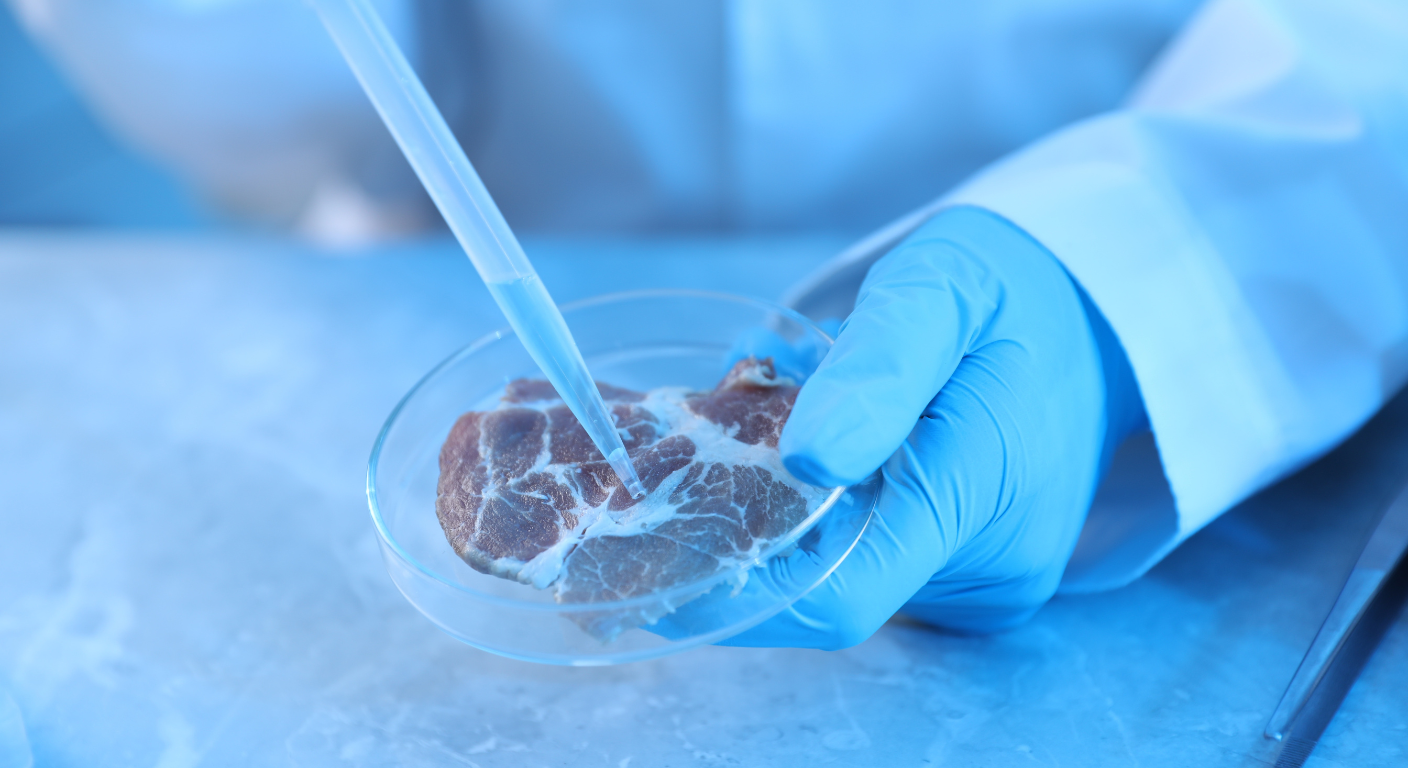
Pipette and Tissue

The Scientific Process: Biological Pacing Method (US Patent 5103821 A)

  • Cell Culturing: A process for providing a biological pacemaker for the human heart wherein the sino-atrial (S-A) node cells are removed from the heart and cultured.
  • Generating Critical Mass: Cells are grown to generate a critical mass of S-A node cells of sufficient quantity to generate a depolarization wave.
  • Myocardial Stimulation: This wave is capable of stimulating the cells of the myocardium to ensure normal or near-normal pumping action in the heart.
  • Clinical Implantation: The critical mass of S-A node cells are then implanted in the myocardial tissue of the right ventricle to provide biological pacing.
  • Dynamic Function: This system provides pacing that is sensitive to and variable with normal increase and decrease of output demands on the heart.

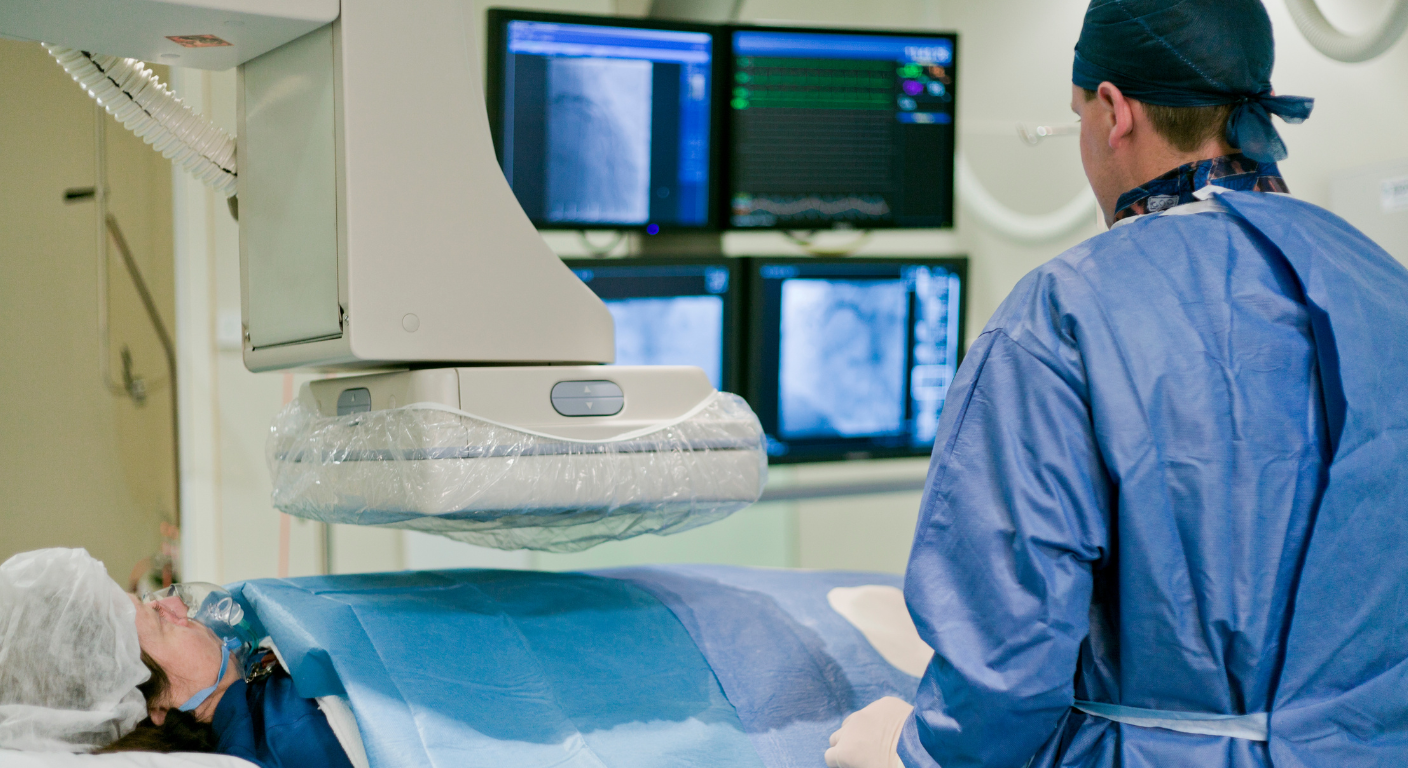
Real life Procedure

Advanced BioPace Technology & Mechanism

  • VGel Integration: The biological pacemaker is positioned inside the VGel within the cardiac musculature.
  • Integrated Growth: Facilitates growing pacemaker cells in a multi-perforated chamber for optimal tissue integration.
  • Conductive Cell Bridge (US Patent 6690970 B1): A biological pacemaker and implantation catheter for restoring heartbeat function without a mechanical pacemaker.
  • Bridging Malfunctions: Implantation cells (nerve cells, stem cells, or ganglion cells) are introduced into an area of electrical malfunction, such as an impaired SA node or a blocked AV node.
  • New Pathway Construction: The implantation cells grow to form a conductive cell bridge around the malfunction area, providing a new pathway for the electrical signals responsible for triggering heart beat contractions.

Advanced BioPace Technology
/ ? — FAQ

Common questions

Don’t see your question? Reach out and our clinical team will respond personally.

The BioPace therapy has been developed to restore natural pacemaking function to the heart of patients suffering from abnormal cardiac rhythms. The BioPace therapy consists of implanting a tiny dissolvable bioreactor chamber, containing patient-specific pacemaker cells, into strategic regions of the heart in order to restore and regenerate the patient’s own natural biological pacing. Once placed, the pacemaker cells within the bioreactor will be supported and maintained via a combination of bioelectric signaling coupled with the infusion of key biologicals made up of key cytokines, growth factors, and stem cells engineered to support optimal cell function, cell growth, and tissue integration.

BioPace completed studies on 3 large animals and demonstrated an ability to restore natural pacing after injection of cultured Sino Atrial Node cells. In attempting to repeat these studies the team ran into difficulty managing cell survival, differentiation, engraftment, and migration. In lab studies the team has identified that a combination of bioelectric stimulation, biologics, stem cells and an implantable bioreactor chamber has potential to improve upon the naked stand-alone cultured one-time cell injections tested in the first phase. More studies are needed to confirm whether these proposed improvements do indeed improve results.
In vitro, we have demonstrated that functional coupling can occur between cardiocytes and other cell types across multi-perforated membranes patented as PerFLexMEA. These studies demonstrate that pacemaker cells held within a scaffold can communicate with cardiocytes outside the scaffold to stimulate and pace the heart.

We have also characterized (in vitro) the pharmacological response of cardiocytes. In a study published by [INSERT AUTHOR ET AL] in [INSERT JOURNAL TITLE], blood macrophages were successfully transformed into cardiocytes, which responded differentially to antiarrhythmic drugs.

There are two purposes for bioelectric stimulation in the BioPace therapeutic platform.
First, bioelectric stimulation will be used to train engineered autorhythmic cells within the scaffold to beat at different rates, depending on the patient. Younger patients can require basal beating frequencies close to 250 bpm while older patients may require a basal frequency of 60 – 70 bpm.

Second, bioelectric stimulation can be used after the implantation of the BioPace scaffold to:

  1. Home stem cells to treatment site via expressions of SDF1 and PDGF.
  2. Release growth factors such as VEGF, PDGF, SDF1, HGF, EGF, CXCL5 and eNOS to improve blood supply to treated region.
  3. Releases factors known to promote regeneration such as Klotho and IGF1.
  4. Promotes proliferation of stem cells on demand.
  5. Promotes controlled differentiation of cells.
  6. Trains newly formed pacing cells to pace in synchrony with heart.

The BioPace team is working on the final mixed composition for generating or regenerating natural pacemaker formation. Included on test candidates list are iPS cells, adipose derived stem cells, stromal fraction, selected exosomes, selected growth factors such as klotho and SDF1, MicroRNA gel, nutrient hydrogel, oxygenated nano particles, Sino Atrial nodal matrix, and atrial myocytes matrix. The BioPace technology platform includes methods of cell culturing, including electrical stimulation enhanced cell culturing with platelet derived freeze thaw extract and other growth factors, to influence the phenotype towards pacing cell types.

/ – KNOWLEDGE BASE

Related resources

Want to learn more? Browse our clinical resources and scientific publications on our comprehensive suite of targeted treatments.

Executive Strategy & Technical Roadmaps

Strategic overviews and executive presentations detailing the BioPace™ mission, bio-engineering framework, and the long-term roadmap for biological pacing commercialization.

BioPace Technology Overview & Strategy

An executive presentation outlining the strategic roadmap, clinical vision, and bio-engineering framework of the BioPace™ project.

View details

Peer-Reviewed Research & Clinical Publications

A curated library of high-authority scientific journals, patent specifications, and clinical studies exploring somatic reprogramming, gene therapy, and the transition from hardware to biological pacing.

Technical & Scientific Dossier: Biological Cardiac Pacing

A comprehensive technical document featuring the 31 original patent claims for biological pacing, anatomical background of the conduction system, and clinical comparisons between biological and mechanical pacing.

View details
Next-Generation Pacemakers: From Small Devices to Biological Solutions

A comprehensive Nature Review exploring the evolution of pacing technology from mechanical hardware to cellular therapy.

View details
Biological Pacemaker Created by Minimally Invasive Reprogramming

A peer-reviewed study demonstrating the successful creation of biological pacemakers in clinical models via gene therapy.

View details
Biologic Pacemaker: Role of Gene and Cell Therapy

A technical analysis of how molecular-level cell therapies are utilized to correct cardiac arrhythmias.

View details
Blue Light Sets the Beat in Biological Pacemakers

Innovative research on using optogenetics and light-sensitive proteins to regulate biological cardiac rhythms.

View details
Heart Cells Transformed into Biological Pacemaker

A clinical insight into the somatic reprogramming of myocardial tissue to function as natural pacing nodes.

View details
A Biological Pacemaker is on its Way

An industry update on the clinical progress, regulatory landscape, and global availability of biological rhythm management.

View details
Biological Pacing: Beating Without the Hardware

An exploratory report on the physiological advantages of wire-free, battery-free pacing for long-term patient recovery.

View details
Join the Future of Cardiac Care

Start with a consultation.

Our BioPace technology is revolutionizing how we treat pediatric chronotropic incompetence. By bypassing mechanical limitations and utilizing a patient’s own biological potential, we are creating a world where heart care is natural, adaptive, and permanent.

Book a Consultation