Portfolio venture
EyeCell Logo

EyeCell

EyeCell is a medtech venture developing patented microcurrent devices and implantable micropumps designed to stimulate eye regeneration and recover lost vision. The system focuses on healing injuries, increasing blood flow, and reducing inflammation to treat retinal degenerative diseases.

Contact
Get in touch

(424) 291-2133

12130 Millennium Dr, Los Angeles, California, United States of America 90094

Open in Maps
/ – THE COMPANY

About this Venture

Discover our background, mission, and the world-class research driving our next-generation medical technology.

Executive Summary

EyeCell is focused on development of microcurrent devices. EyeCell is focused on the development and sales of microcurrent devices for treating eye related diseases and disorders The company has developed and patented eight product lines:

  • Current of injury microcurrent devices for healing and pain management (3)
  • Current of injury microcurrent bandages.
  • Stem cell regeneration microcurrent device for regeneration, healing and improvement of blood flow.
  • Anti-angiogenic (stops over blood supply) signaling microcurrent device.
  • Stem cell growth factor cocktail compositions to be injected.
  • Micropump for sustained delivery of eye repair agents over time.
  • Eye health vitamins for post procedure healing.
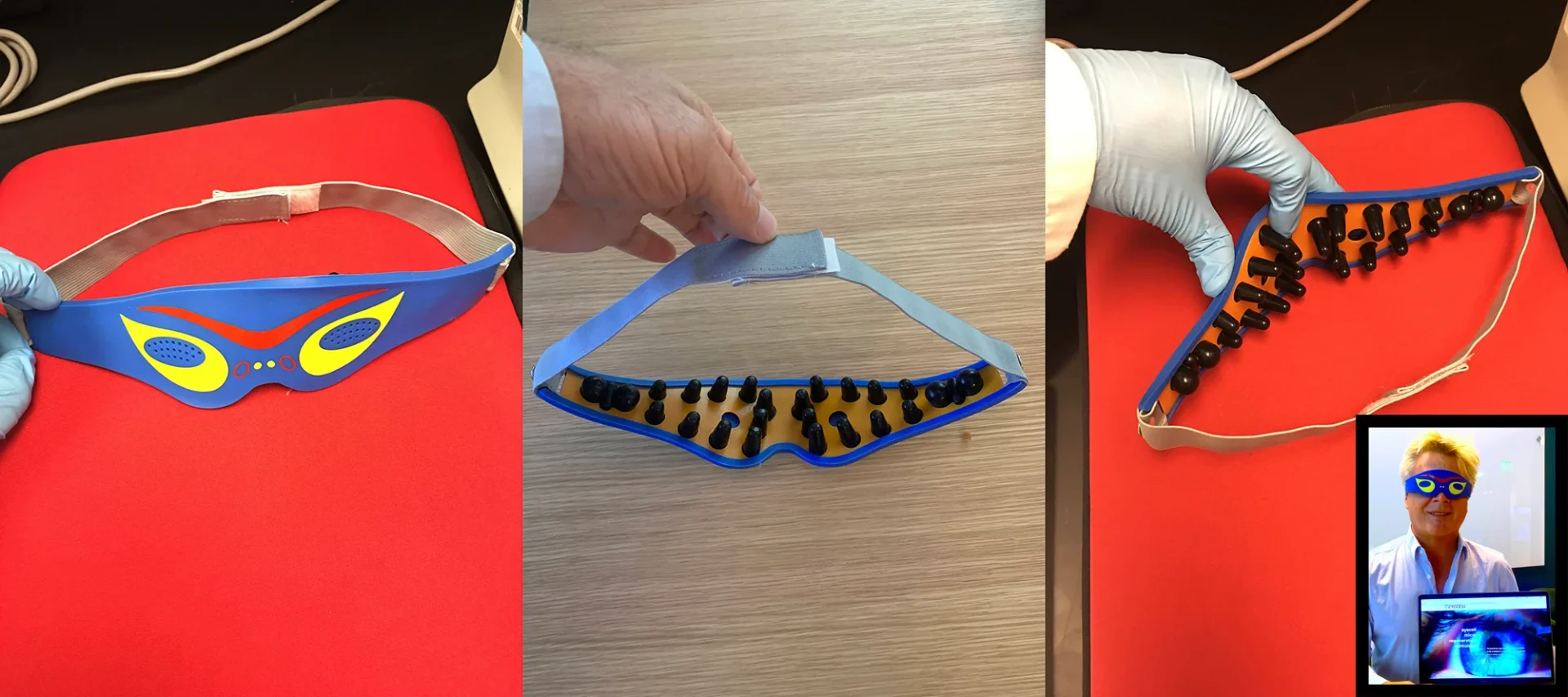
  • Microcurrent acupuncture point positioned eye patch.

The company has FDA 510K market clearance on three current of injury microcurrent products and one CE Mark for a wireless microcurrent stimulator working with selected vendors for OEM private label manufacturing.

Strategy

  1. Add to current estate of patents.
  2. Gain opinion leader support from leading institutions.
  3. Get FDA AOK for specific indication of uses and reimbursement.
  4. Grow to over $100 million in annual sales.
  5. Auction company off to highest bidder on May 11th, 2018.

Management Team

A mix of proven medtech industry veterans and eye scientists and clinicians. Microcurrent therapy leaders. 6 focused executives on management team. Over 70 business mentors and board members

Business Model

Sell direct in the USA to physicians and hospitals. Sell through distributors overseas. Get opinion leaders to present data at major meetings. Attend over 20 cardiovascular meetings a year with showcase. Publish data.

Market for dry age-related macular degeneration

The current number of patients in the US and Europe is estimated to amount to 20 million. Aging populations in the western world will lead to a significant increase in numbers. In 2020,about 30 million people are predicted to suffer from dry AMD. The number of patients with wet AMD is comparable with the number of patients suffering from advanced dry AMD.

Competition

Dry Macular Degeneration: Although there are still very few development projects for the treatment of dry AMD, there is a handful of projects in advanced clinical stages of development.

  • Alimera Sciences glucocorticoid “Fluocinolone Acetonide” (Ph II)
  • Anti-Amyloid beta antibodies from Alzheimers research of GlaxoSmithKline and Pfizer (PhII and PhI)
  • Alexion pharmaceuticals C5 inhibiting antibody (Ph II)
  • Acucela’s visual cycle modulator ACU 4429 (Ph II)
  • Neurotech’s implant with genetically modified human cells (Ph II)
  • Stem Cell approaches by ACT (embryonic) and Stem Cells Inc. (central nervous system stem cells) (Ph I / II)
  • MacuClear’s and Succampos drugs for the improvement of coroidal blood flow (Ph II / III)

Wet Macular Degeneration:

  • Lucintis from Genentech Novartis

/ – THE TECHNOLOGY

The Technology behind it

Discover the science and innovation driving our advanced solutions, designed to deliver safe, effective, and transformative results.

EyeCell Micro Regeneration Stimulator

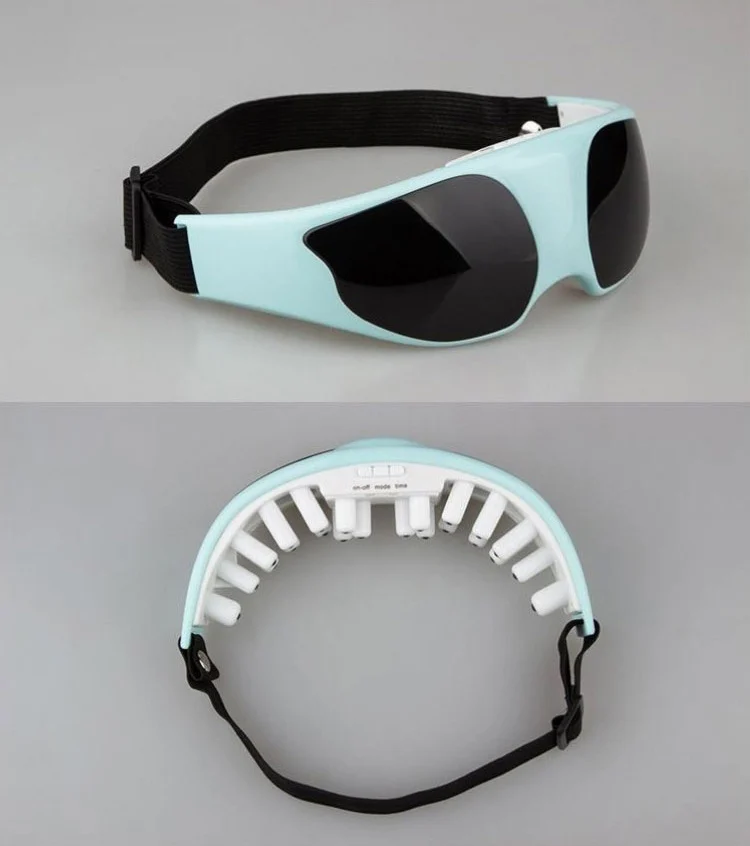
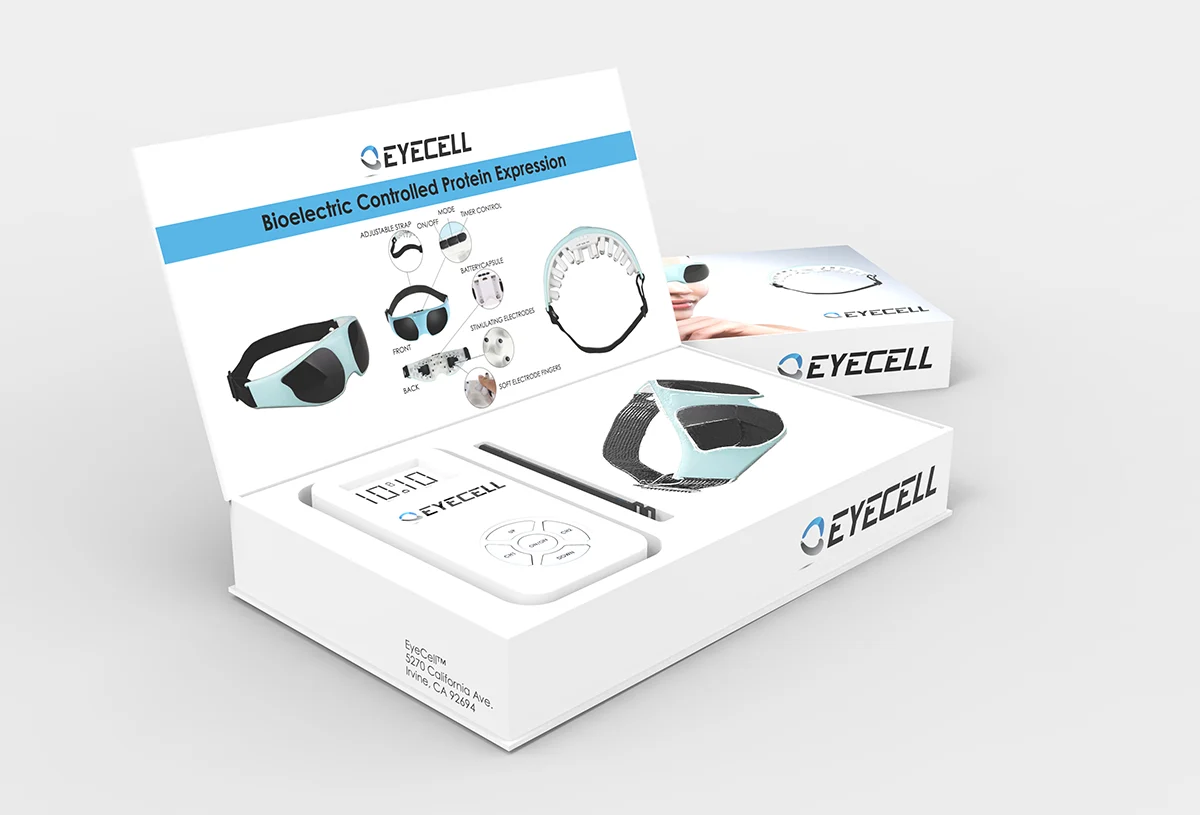
The EyeCell eye regeneration stimulator and micro pump is designed to recover vision that may be lost from a variety of causes. EyeCell has developed two products for eye regeneration:

  1. Implantable micro regeneration stimulator and micro pump.
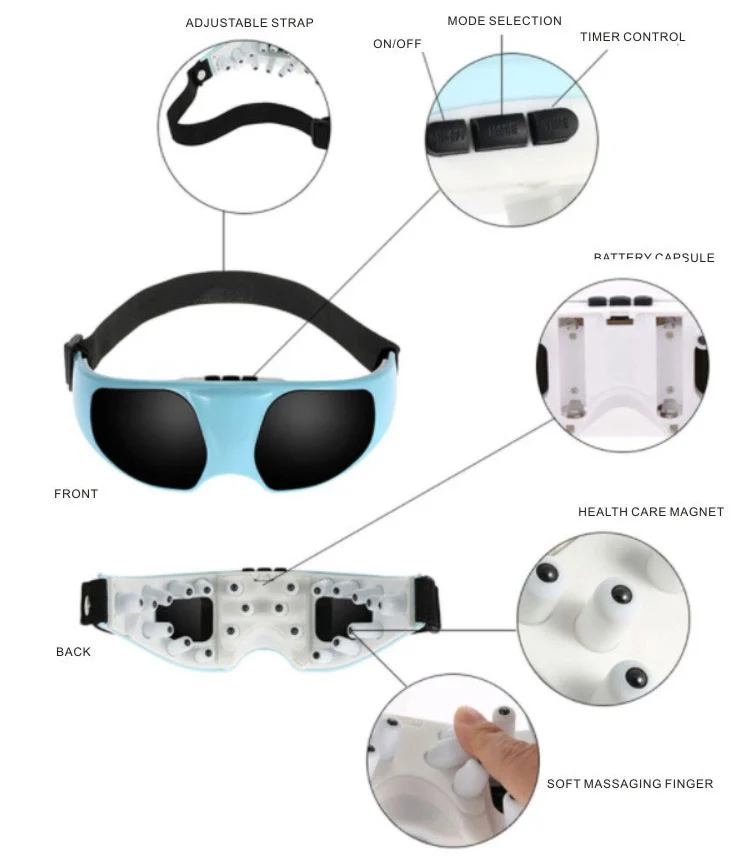
  2. Non-invasive eye patch and external stimulator and pump.

The EyeCell microcurrent devices are designed to provide healing of injuries, reduce inflammation, reduce pain and risk of infection. EyeCell collaborative researchers have treated nearly 3000 patients to date with 90% of them demonstrating improvement directly related to the microcurrent therapy. Microcurrent Stimulation Review.

Eyemassager2
Eyemask copy
Eyemassager1
EyeCell Box

EyeCell System & Research Studies

The EyeCell™ eye regeneration stimulator and micro pump system was developed to deliver a safe and efficient product that can potentially permit eye regeneration and restored vision. Improvement in Vision Parameters for Participants Treated With Alternative erapies in a 3-day Program – Including Bioelectric Microcurrent Stimulation. Click to view Study. Stimulator of choice for EyeCell studies. EyeCell Microcurrent Googles.

Eye Regeneration by Bioelectric Controlled Protein Expression and Stem Cell Based Composition Micro Infusion

The Problems

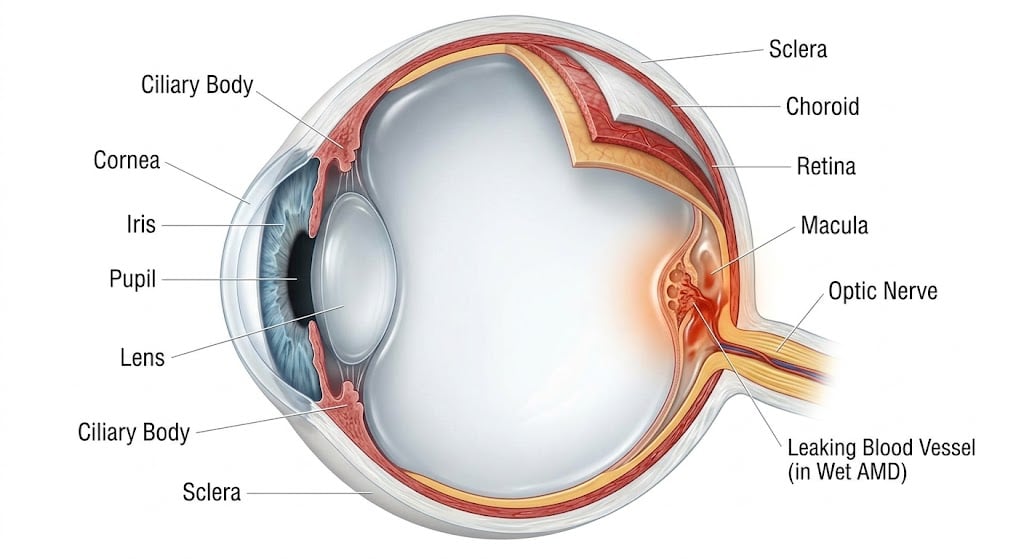
  • Wet Macular Degeneration: More than 20 million people worldwide suffer of wet macular degeneration related to leaky blood vessels within the eye.
  • Dry Macular Degeneration: Over 20 million people worldwide suffer of dry macular degeneration caused by local inflammation and oxidative stress as well as excessive accumulation of lipofuscin in the retinal pigment epitelium.
  • Retinal Degenerative Diseases: Over 10 million people worldwide suffer of retinal regenerative diseases.
  • Diabetic retinopathy: is a complication of diabetes effecting more than 20 million people worldwide that causes damage to the blood vessels of the retina—the light-sensitive tissue that lines the back part of the eye, allowing you to see fine detail. There are generally 2 causes of vision loss from diabetic retinopathy: diabetic macular edema and proliferative diabetic retinopathy.

Human Eye Anatomy

Treatment Armamentarium

EyeCell’s treatment armamentarium is designed to (investigational use only):

  • Seal off leaky blood vessels.
  • Reduce inflammation.
  • Regenerate tissues healing.
  • Stop over blood supply.
  • Increase oxygenated blood supply when needed.
  • Reduce infection risk.
  • Reduce Pain.

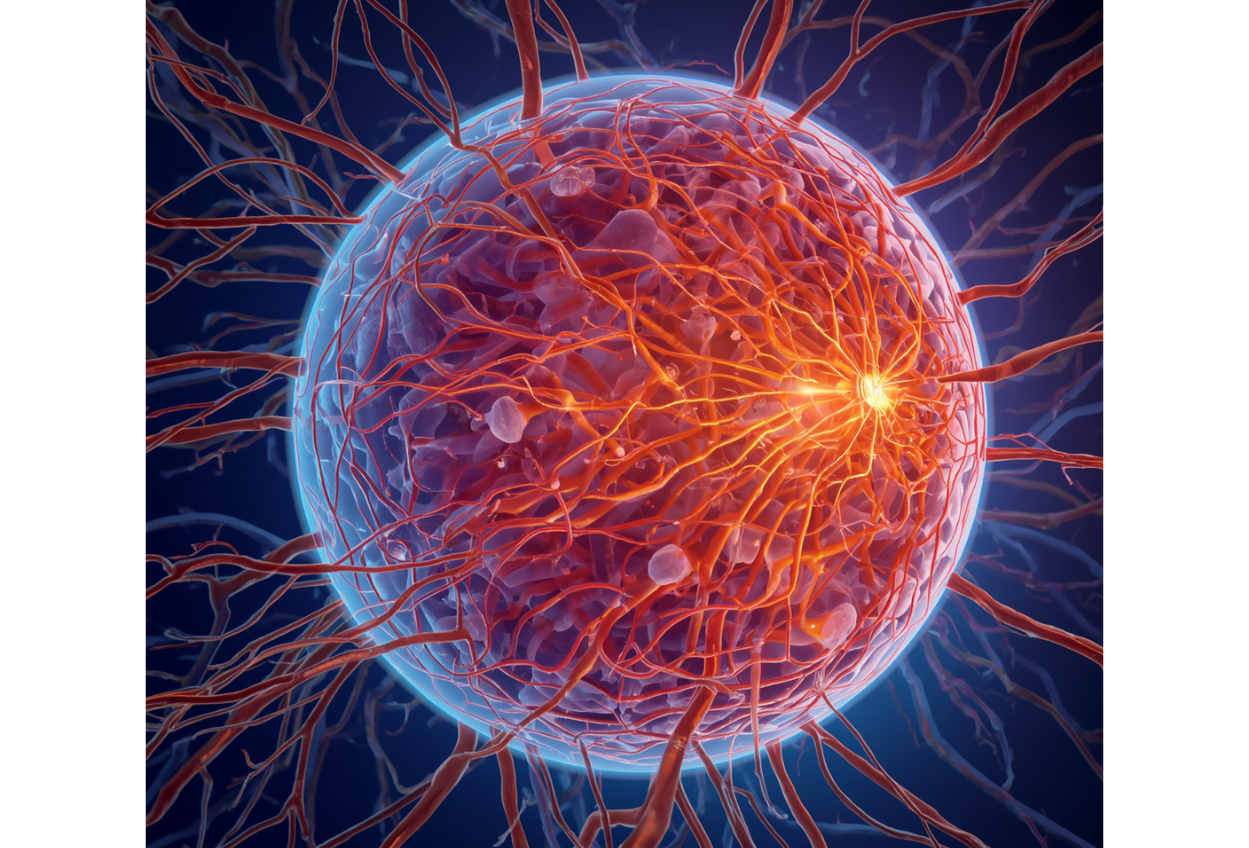
Human retina nerve fibers and branching blood vessels

Mechanisms of Action

  1. Primary = Delivers stem cells growth factors directly to wound site and stimulates the over expression of the stem cell homing signal protein SDF-1 which is also a powerful arteriogenic agen.
  2. Multiples recruited and delivered stem cells to greater quantities at wound site.
  3. Increases blood flow at wound site 3X (from delivering and recruiting endothelial progenitor cells and increased expression of VEGF).
  4. Decreases pain at wound sites.

Clinical Summaries

Edward C. Kondrot, MD, our Executive Vice President of Clinical Studies and Co-Founder summarized three studies on the use of microcurrent for AMD:

  1. A two-year study (1983 to 1985) involving 114 patients, conducted by Grace Halloran, PhD. The results of the study were as follows: Eighteen patients had macular degeneration; 16 improved. Seventy-eight patients had retinitis pigmentosa; 62 showed improvement. Eighteen patients had other various retinopathies; 16 improved. Of the patients who did not demonstrate any improvement, 14 stayed the same (although they otherwise would have been expected to lose vision); two continued to lose vision, although only slightly.
  2. A 10-year clinical study was conducted by Drs. Jarding and Michael on the use of microcurrent to treat macular degeneration. Of the 400 eyes evaluated over the course of the study, the results were as follows: Seventy-eight percent of the eyes showed from 1-9 lines of improvement in reading of a visual acuity chart. Over 50 percent improved from 2-9 lines of improvement. In the study, two patients suffered from retinal vein occlusion and swelling of the macula. Both had dramatic improvement in vision.
  3. Damon Miller, MD, reviewed the results of using microcurrent stimulation in the treatment of Stargardt’s disease, retinitis pigmentosa and other degenerative retinal diseases. His results indicated the following: Of the 120 patients treated, 83 percent showed improvement of greater than or equal to two lines of visual acuity in one or both eyes.

/ ? — FAQ

Common questions

Don’t see your question? Reach out and our clinical team will respond personally.

The EyeCell proprietary protocol is a series of bioelectric signaling sequences designed to restore vision loss. The bioelectric signals control the release of these regenerative proteins designed for these purposes…

  1. SDF-1 and PDGF = stem cell homing.
  2. IGF1 = DNA repair.
  3. VEGF, PDGF, SDF1, HIF1a, CXCL5, HGF, EGF, eNOS = growing new mature blood vessels

EyeCell Plus meant for treating the most severe vision loss cases only is the same as above with up to 13 additional bioelectric signaling sequences added with the further addition of a re-fillable micro infusion pump that is used to very slowly infusion regeneration promoting cells and growth factors into the eye carefully under control. The EC-15 composition intended for eye regeneration is comprised of adipose tissue derived stem cells, selected exosomes, selected growth factors, PRF, amniotic fluid, stromal fraction, micro RNA gel, selected alkaloids, oxygenated nanoparticles and eye matrix.

No not for eye vision recovery. The bioelectric stimulator we program with our bioelectric signaling sequences is a Class II Medical Device sourced from Mettler Electronics in Anaheim, California that has U.S. 510K market clearance for improving blood circulation but not specifically for eye vision recovery. Improving blood circulation especially converting leaky vessels to mature non-leaky vessels is one of the intended purposes of the current eye vision recovery studies in process and upcoming.

Warning caution: Conclusive data from proper Phase II/II double blinded, randomized, placebo controlled studies of statistical significance under the supervision of Institutional Review Boards, Data Safety Monitoring Committees and Regulatory Authorities have not been completed yet so now definitive performance OR safety claims can be made at this time. Data shared herein from pre-clinical or small pilot clinical studies is not meant to make claims of safety or efficacy being proven. Further warning of important PLEASE READ in some stem cell studies conducted by other organizations patients may have been blinded from the procedure intended to help them.

Microcurrent stimulation in the treatment of dry and wet macular degeneration

Abstract

Purpose

To determine the safety and efficacy of the application of transcutaneous (transpalpebral) microcurrent stimulation to slow progression of dry and wet macular degeneration or improve vision in dry and wet macular degeneration.

Methods

Seventeen patients aged between 67 and 95 years with an average age of 83 years were selected to participate in the study over a period of 3 months in two eye care centers. There were 25 eyes with dry age-related macular degeneration (DAMD) and six eyes with wet age-related macular degeneration (WAMD). Frequency-specific microcurrent stimulation was applied in a transpalpebral manner, using two programmable dual channel microcurrent units delivering pulsed microcurrent at 150 µA for 35 minutes once a week. The frequency pairs selected were based on targeting tissues, which are typically affected by the disease combined with frequencies that target disease processes. Early Treatment Diabetic Retinopathy Study or Snellen visual acuity (VA) was measured before and after each treatment session. All treatment was administered in a clinical setting.

Results

Significant increases were seen in VA in DAMD (P=0.012, Wilcoxon one-sample test), but in WAMD, improvements did not reach statistical significance (P=0.059). In DAMD eyes, twice as many patients showed increase in VA (52%) compared to those showing deterioration (26%), with improvements being often sizeable, whereas deteriorations were usually very slight. In WAMD eyes, five of six (83%) patients showed an increase and none showed deterioration.

Conclusion

The substantial changes observed over this period, combined with continued improvement for patients who continued treatment once a month, are encouraging for future studies. The changes observed indicate the potential efficacy of microcurrent to delay degeneration and possibly improve age-related macular degeneration, both wet and dry. However, this study has no control arm, so results should be treated with caution. Randomized double-blind controlled studies are needed to determine long-term effects.


At our Utah laboratories we have conducted multiple rounds of laboratory (cells in a dish) and fresh cadaver eye studies (eyes obtained from Utah Lions Eye Bank) confirming our ability control desired protein expressions on demands. We plan now to move forward with pre-clincial and after sufficient safety data has been gathered onto clinical studies for our specific internally developed precise therapeutic protocols for both EyeCell and eventually EyeCell Plus.
In the meantime we have reached out to other research teams that have already completed pre-clinical studies and in some cases clinical studies in these therapeutics focus areas and have offered to join forces with them in further improving the therapies forward.

  1. Microcurrent therapy.
  2. Bioelectric therapy.
  3. Stem cell therapy.
  4. Micro infusion pump therapy.
  5. Pulsed electro magnetic fields therapy.
  6. Exosomes therapy.
  7. Proteins therapy.
  8. Micro RNA gel therapy.
  9. PRF or PRP therapy.
  10. Amniotic fluid or exosomes or stem cells derived from amniotic fluid therapy.
  11. Placenta therapy.
  12. Oxygenated nanoparticle therapy.
  13. Matrix and hydrogel therapies.
/ – KNOWLEDGE BASE

Related resources

Want to learn more? Browse our clinical resources and scientific publications on our comprehensive suite of targeted treatments.

EyeCell Core Documents & Clinical Protocols

This group contains the foundational company documents, technology overviews, and the formal scientific frameworks used to conduct EyeCell’s clinical pilot studies and technology validation.

Executive Summary

A high-level strategic overview of the EyeCell technology platform and its mission to restore vision via bioelectric stimulation.

View details
Overview

A comprehensive guide detailing the EyeCell system’s architecture, including its regenerative mechanisms and product specifications.

View details
2021 EyeCell Pilot Clinical Study Protocol

The official version 3.0 protocol outlining the safety and efficacy parameters for the 2020/2021 human clinical trials.

View details
EyeCell™ Investment & Technology Deck

An interactive deck outlining EyeCell’s bioelectric mission to treat blindness, featuring clinical data, protein homing, and strategic investment roadmaps.

View details
Retina World Congress Presentation

A scientific slide deck presented at the Retina World Congress highlighting clinical data and the EyeCell value proposition.

View detailsView details

Microcurrent Stimulation for Macular Degeneration

These resources focus specifically on the use of microcurrent therapy to treat both Dry and Wet Age-Related Macular Degeneration, providing clinical evidence of vision parameter improvements.

Microcurrent Stimulation Review

A clinical review published in ECOP exploring the long-term benefits of microcurrent in various ophthalmic conditions.

View details
Improvement in Vision Parameters (3-Day Program)

A study by Dr. Kondrot showing significant improvements in vision after just three days of intensive alternative therapy.

View details
Microcurrent Stimulation in Dry and Wet AMD (PubMed)

A peer-reviewed study investigating how microcurrent helps stabilize and recover vision in macular degeneration patients.

View details
Microcurrent Stimulation (Leonhardt Ventures Report)

A detailed technical paper focusing on the specific electrical parameters used to treat retinal diseases.

View detailsView details
Microcurrent Stimulation in AMD (PMC)

A broad clinical study documenting the safety profile and visual acuity gains in patients treated with low-level electrical currents.

View details
Treatment of Ocular Disease (Stargardt’s Focus)

A specialized report on using the EyeCell approach for Stargardt’s disease and other complex retinal pathologies.

View detailsView details

Clinical Trials for Glaucoma & Retinitis Pigmentosa

This group highlights research on specialized electrical stimulation methods, such as transcorneal and transpalpebral techniques, to manage intraocular pressure and genetic retinal diseases.

Electro-stimulation to Modulate Retinal Blood Flow

A randomized controlled trial demonstrating how electrical pulses can increase blood circulation in Retinitis Pigmentosa.

View details
Transpalpebral Electrical Stimulation for Glaucoma

A pilot study showing that stimulation through the eyelid can effectively decrease intraocular pressure.

View details
Transcorneal Electrical Stimulation (TES) for Glaucoma

Research evaluating the efficacy of TES in protecting retinal ganglion cells in primary open-angle glaucoma.

View details
Transdermal Electrical Stimulation (Nature)

A study published in Nature investigating the safety of transdermal pulses on the visual functions of RP patients.

View details
TES for Retinitis Pigmentosa (Executive Summary)

A formal assessment of the therapeutic potential of transcorneal stimulation for inherited retinal dystrophy.

View details
Whole-Eye Electrical Stimulation in Rats

Animal research showing that whole-eye therapy preserves both the structure and function of the retina in diseased models.

View details

Regenerative Proteins & Growth Factors (SDF-1, IGF-1, Klotho)

The core of EyeCell’s “Mechanism of Action.” These papers explain how specific proteins—stimulated by the device—recruit stem cells and repair damaged ocular tissues.

Proteomic Study of Retinal Proteins

A deep dive into the proteins involved in retinal health and how they react to bioelectric cues.

View details
IGF-1 Protects Retinal Ganglion Cells

Evidence that Insulin-like Growth Factor-1 acts as a powerful neuroprotective agent for the optic nerve.

View details
IGF-1 System and RGC Rescue

A study showing that transcorneal stimulation rescues damaged cells specifically by activating the IGF-1 pathway.

View details
Electrical Stimulation on Müller Cells

Research on how low-level currents induce IGF-1 transcription via calcium channels in retinal support cells.

View details
SDF-1 and Stem Cell Mobilization

An article explaining the “homing” effect of SDF-1 in moving stem cells to areas of injury.

View details
SDF-1 for Photoreceptor Protection

Research demonstrating that Stromal Cell-Derived Factor-1 is essential for protecting the eye during retinal detachment.

View details
SDF-1 Facilitates Optic Nerve Regeneration

A study proving that the CXCL12/SDF-1 pathway is a key driver in regenerating the optic nerve.

View details
Norrin and IGF-1 Induction

An investigation into how Norrin mediates vascular health through the induction of regenerative growth factors.

View details
HGF for Retinal Ganglion Cell Survival

A comparison study showing that Hepatocyte Growth Factor promotes superior long-term cell survival after injury.

View details
Follistatin-mediated Regeneration

A paper in eLife detailing how Follistatin inhibition of certain signals triggers the regeneration of lost tissues.

View details
Klotho Vital for Retinal Function

A study in IOVS proving that the anti-aging protein Klotho is necessary for maintaining healthy vision.

View details
Klotho Family Genes in Ocular Tissues

Research identifying the presence and role of Klotho genes in the human lens and anterior capsules.

View details
Loss of Anti-Aging Gene in AMD

A report linking the depletion of the Klotho gene to the progression of Age-Related Macular Degeneration.

View details

Stem Cell Research & Bioelectric Homing

These links explore the intersection of stem cell therapy and bioelectricity, showing how the two work together to restore sight.

Stem Cells in Retinal Regeneration

A comprehensive review of the past, present, and future of using stem cells to replace damaged retinal layers.

View details
Regenerating Human Lens After Surgery

Scientific evidence that stem cells can restore a clear lens in humans following cataract procedures.

View details
Blind Woman Regains Sight

A case study of a breakthrough stem cell treatment that allowed a blind patient to recover visual perception.

View details
How Do Stem Cells Find Their Way Home?

A foundational paper in Blood explaining the molecular signals that guide stem cells to damaged tissues.

View details
Stem Cell Trial for Blindness (LA Times)

A mainstream media report on the early human trials aimed at curing blindness through regenerative medicine.

View details
Stem Cells in Hearing Loss

Exploring how electrical stimulation can be applied to stem cell treatments for other sensory organs like the ear.

View details

General Ocular Regeneration & Animal Model Success

Research documenting successful vision restoration in animal models (mice, rats, fish) and general bioelectric principles.

Eye Regeneration General

A broad scientific review of the biological pathways required for a human eye to heal and regenerate.

View details
Regenerating Vision in Glaucoma

An article from Glaucoma.org discussing the cutting-edge techniques being used to “re-grow” vision.

View details
How Fish Regenerate Eye Injuries

A study on the cellular mechanisms that allow zebrafish to naturally repair eye damage that humans cannot.

View details
Neural Regeneration and Cell Replacement

A view from the eye on how we can replace lost neural connections to restore sight.

View details
Endogenous Bioelectric Currents

A study showing that the body’s natural electrical currents are essential for the differentiation of the eye lens.

View details
Axonal Regeneration in Adult Rats

Evidence that repetitive electrical stimulation can induce the regrowth of crushed optic nerve fibers.

View details
First-Ever Restoration of Vision in Mice

Stanford Medicine’s landmark achievement in restoring visual connection from the eye to the brain.

View details
Blind Mice See the Light

A Science article detailing a specific regeneration technique that successfully restored light perception in mice.

View details

Specialized Medical Applications & Technical Tools

This group covers the hardware (micropumps) and the broader biological effects of electrical stimulation on various tissues.

Implanted Ophthalmic Micropump

Details on the hardware used to deliver precise micro-doses of regenerative fluids directly into the eye.

View details
Resonance Therapy

A technical white paper on the principles of “The Ground We Stand On” regarding bio-resonance and electrical health.

View detailsView details
Electrotherapeutics in Ophthalmology

A PubMed review on the history and modern application of electrical therapies in eye care.

View details
Electrical Stimulation for Improving Vision

A broad overview of different electrical modalities used to enhance visual acuity.

View details
VEGF-B and Nerve Regeneration

Research showing that VEGF-B can heal damaged peripheral nerves without the side effects of unwanted blood vessel growth.

View details
Endogenous VEGF for Visual Function

A study proving that natural VEGF is a “survival factor” for Müller cells and photoreceptors.

View details
Gerotarget (Focus on Aging)

A scientific paper focusing on the cellular targets involved in age-related ocular decline.

View details
Low Current for Cytokine Expression

Research showing that even very low currents can significantly increase the expression of healing cytokines.

View details
Neurobiology of Disease

Access to the leading journal that publishes high-impact research on the mechanisms of neurological and ocular diseases.

View details
Induction of Retinal Regeneration In Vivo

Early foundational research on using growth factors to trigger the eye’s internal repair system.

View details

Important Investment Notes & Disclaimers:

Note – Investment in this startup is only possible through the Cal-X Stars Business Accelerator, Inc. 506c Offering at this time. Please read completely the Private Placement Memorandum (PPM) via the link below and see all the warnings posted below and within the PPM. This offering is limited to accredited investors with > $1 million in assets or income > $200K a year or $300K as a couple past two years in a row. ALL Cal-X Stars Business Accelerator, Inc. investors must verify their accredited status via Crowdentials, EarlyIQ or Healthiosxchange. CIRCULATION on microcurrent improvement of blood flow – Click Here. Stimulator of choice for EyeCell studies.

  • The securities may be sold only to accredited investors, which for natural persons, are investors who meet certain minimum annual income or net worth thresholds; > $200K individual income or $300K joint. > $1 million in assets excluding primary residence.
  • The securities are being offered in reliance on an exemption from the registration requirements of the Securities Act and are not required to comply with specific disclosure requirements that apply to registration under the Securities Act;
  • The Commission has not passed upon the merits of or given its approval to the securities, the terms of the offering, or the accuracy or completeness of any offering materials;
  • The securities are subject to legal restrictions on transfer and resale and investors should not assume they will be able to resell their securities; and
  • Investing in securities involves substantial high risk, and investors should be able to bear the loss of their investment RISK WARNING: The Cal-X Stars Business Accelerator, Inc. portfolio of innovations and startup companies are all early stage. The investment risk is very high and investors should be in position to lose all their investment without hurting their financial security. This 506c offering is limited to accredited investors only with > $1 million in assets excluding their primary residence. The offering will be posted on authorized accredited investor only portal sites that verify accreditation qualification such as www.crowdfunder.com, www.healthiosxchange.com, www.equitynet.com and www.angelist.co These portals and other outside service providers assist in verifying with reasonable assurance the accredited status of any potential investor. Merriman Capital http://www.merrimanco.com/ has been hired as an advisory registered broker dealer for this offering. Any potential investor should review all risks published within our private placement memorandum that is available upon written request to email hleonhardt@aol.com or via the above mentioned password protected portals.
  • Note – New 506c regulations allow general advertising and up to 2000 shareholders while remaining private – http://www.sec.gov/rules/final/2013/33-9415.pdf
  • IMPORTANT LEGENDS (ANY POTENTIAL INVESTOR PLEASE READ) Securities offered under Rule 506(c) may be purchased only by accredited investors = persons with > $1 million in assets excluding their home and vehicles or whom have income > $200,000 the past two years consecutively or > $300,000 income as a couple. Accreditation status must be verified via documentation of credible third parties in a position to provide accurate verification. Investors in this offering should have experience in making early stage investments.
  • Cal-X Stars Business Accelerator, Inc. develops early stage innovations and startups. By nature the risk is very high for these type of investments. Any investor should be fully prepared without reserve to lose all their investment. Our high focus on developing implantable devices and biologics for treating heart failure add exceptionally higher levels of risk as the products require multiple stages of clinical trials costing many millions of dollars and require high intellectual property protection to succeed commercially. The patent landscape in these areas of participation are wrought with potential for litigation. A high number of clinical trials in the heart failure space fail to prove greater safety and efficacy compared to currently available choices. A high number of early seed stage innovations fail to ever make it to market and even a smaller number become commercial successes. This type of investment is NOT appropriate for nest egg savings.
  • The securities are being offered in reliance on an exemption from the registration requirements of the 150Securities Act and are not required to comply with specific disclosure requirements under the Securities Act; the Commission has not passed upon the merits of or given its approval to the securities, the terms of the offering, or the accuracy or completeness of any offering materials; the securities are subject to legal restrictions on transfer and resale and investors should not assume they will be able to resell their securities; and investing in securities involves risk and purchasers should be able to bear the loss of the entire investment. Private funds would be required to include a legend informing investors that the funds are not subject to the protections of the Investment Company Act.
Take the Next Step

Start with a consultation.

EyeCell’s treatment armamentarium is designed to reduce inflammation, regenerate tissue, and increase oxygenated blood supply to the eye. Whether it is Dry AMD, Diabetic Retinopathy, or Retinal Degeneration, our patented microcurrent solution offers a new path to healing.

Book a Consultation