Portfolio venture
Livercell Logo

LiverCell

LiverCell is a biotechnology pioneer dedicated to eliminating the need for liver transplants through internal organ regeneration. We leverage proprietary bioelectric signaling and stem cell homing to restore full function to patients suffering from end-stage liver disease and cirrhosis.

Contact
Get in touch

(424) 291-2133

12130 Millennium Dr, Los Angeles, California, United States of America 90094

Open in Maps
/ – THE COMPANY

About this Venture

Discover our background, mission, and the world-class research driving our next-generation medical technology.

Prevalence & Market Size

  • 4.5 million Americans have diagnosed liver disease
  • 30 million Americans are suffering from some form of fatty liver disease 5/6th’s undiagnosed.
  • Nearly 2% of all Americans have liver disease
  • 4.5 to 9% of people worldwide have liver disease
  • Liver disease is responsible for more than 2 million deaths worldwide annually.
  • Liver cirrhosis is the 11th leading cause of death worldwide.
  • The Non-alcoholic Steatohepatitis (NASH) market alone is expected to reach $18.3 billion by 2026.
  • Experts forecast the liver disease treatment market to be soon reaching $19.5 billion.

LiverCell History

In the late 1980’s shortly after the publication of the book The Body Electric, Howard Leonhardt LiverCell co-founder, contacted author Dr. Robert Becker to discuss collaboration in research in organ regeneration with a first research project on limb salvage for patients with severe lower limb ischemia. That eventually led to a paper published in 1999 in Circulation the Journal of the American Heart Association working with Dr. Shinichi Kanno and a first patent for bioelectric based limb salvage, new blood vessel growth and ischemia treatment. In 1988 Leonhardt collaborators and advisors Dr. Race Kao and Dr. George Magovern that completed the first case of muscle stem cell repair of a damage heart in large animals which was published in The Physiologist in 1989.

In 1994 Leonhardt teamed up with Dr. Stuart Williams and Dr. Robert Kellar, then both at the University of Arizona, whom are pioneers in biologics research and product development. Dr. Williams secured the first patent for harvesting endothelial cells and stem cells from adipose tissue. Dr. Kellar is a leading developer of regenerative fluids derived from amniotic sources. Both Dr. Wiliams and Dr. Kellar remains key advisors to our innovation accelerator and LiverCell today. That same year Leonhardt began organ recovery research at LABiomed in Torrance, CA in animal labs where he still continues pre-clinical research today.

In 1995 Howard Leonhardt filed the first patent on a stem cell delivery system for internal organs – ProCell. That same year Leonhardt led a team in Australia with Dr. Ken Thomson and Dr. Peter Field that completed the historic first non-surgical repair of an aortic aneurysm (this later led to a 1998 acquisition of this technology by Medtronic AVE as well as a percutaneous heart valve, the stem cell delivery catheter PROCELL and an intravascular lung). That led to meeting Dr. Doris Taylor whom in 1998 published a landmark paper in Nature Medicine on myoblast based regeneration of damaged hearts.

In early 2001 a team led by Leonhardt in The Netherlands working with Professor Patrick Serruys, Dr. Warren Sherman, Dr. Kumar Ravi and Dr Pieter Smits completed the historic first ever non-surgical muscle stem cell base repair of a human heart. This was later published as part of a study in the Journal of American College in 2002 Smits et al. That same year Howard Leonhardt filed the first of his series of bioelectric and/or stem based composition organ regeneration patents. The first one focused on myogenesis (regenerating heart, smooth or skeletal muscle). Around that time Ben Boytor, President of LiverCell, joined the Leonhardt led team and he helped spearhead the effort to get into 35 clinics in the USA and 5 centers in Europe with FDA cleared Phase I, then Phase II, then Phase II/III double blinded, randomized, placebo controlled studies.

He also helped the team achieve the very first FDA clearance for a combination cell and gene therapy product for organ regeneration MyoCell II with SDF1. In 2008 Leonhardt moved from Florida to California and formed an innovation accelerator lab at first headquartered on the campus of the University of Northern California in Santa Rosa, California in their UNC Foundation Science and Technology Innovation Center (UNC STIC). The work in this lab, named Leonhardt’s Launchpads @ UNC STIC, focused on applying everything learned since the 1980’s on bioelectric and biologics based organ regeneration, which had mostly focused on heart and limb regeneration up to that point, to see if it could be improved upon and applied to other organs such as kidneys, liver, pancreas, eyes, lungs, skin, and aortas. Leonhardt has served on the UNC Foundation and University Board of Directors since 1999 and was co-founder of their UNC STIC life science incubator.

In 2012 the Leonhardt’s Launchpads headquarters moved to Los Angeles where it remains today. In late 2015 a branch lab and accelerator was opened in Utah, in 2016 a branch location in Minneapolis opened and in late 2018 in Pittsburgh and Australia. The Leonhardt’s Launchpads accelerator(s) now have 30 startups www.leonhardtventures.com all focused on organ regeneration and recovery and all but one based on same core IP platform of bioelectrics and biologics. 13 products are at clinical stage of development as of May 2019 and another 17 are in pre-clinical studies. Data has been gathered on 220 bioelectric therapy patients as of May 2019 coverage a variety of organs and the team has a goal to have data or enrollment towards data gathering on 500 patients by the end of 2019. Thus far about 83% of patients treated have had successful results and no serious adverse events have been reported. Due to the early stage nature of these pilot studies the company does not make any claims that safety of efficacy has bee proven yet.

The LiverCell team is supported by over 100 innovation accelerator mentors and advisors with decades of experience in organ regeneration, startup and medical device development. We believe no other team brings to the table the bioelectric and biologics based organ regeneration experience that our team has dating back to the 1980’s.

/ A - Our Team

Our Team

  • Howardleonhardt

    Howard Leonhardt

    Executive Chairman & CEO

    Howard Leonhardt is an inventor and serial entrepreneur.  He has 21 U.S. patents for products for treating cardiovascular disease.  His...

    View details
  • Ben

    Ben Boytor

    President

    Benjamin Boytor is an experienced Quality Systems Management professional who has spent the past 10 years implementing and maintaining Quality...

    View details
  • Portrait Placeholder

    Dr., 

    Leslie Miller

    Chief Medical Officer

    View details
  • Jorge Genovese

    Dr., 

    Jorge Genovese

    Vice President Bioelectric Regeneration Research

    Over the last 35 years, Jorge Genovese has focused on cell and molecular biology in tissue engineering and regenerative medicine....

    View details
  • Stuart williams

    Dr., 

    Stuart K. Williams

    Vice President Biologics Research

    Dr. Stuart K. Williams II received his Ph.D. in Cell Biology from the University of Delaware, followed by...

    View details
/ – THE TECHNOLOGY

The Technology behind it

Discover the science and innovation driving our advanced solutions, designed to deliver safe, effective, and transformative results.

Revolutionary Approach to Liver Regeneration

LiverCell is focused exclusively on liver regeneration enabling a patient’s own regenerative stem cells and proteins to be used to regrow functioning livers within a patient’s own body instead of getting a donor transplant or an artificial liver. Our initial focus is helping patients with end stage liver disease (ESLD). We have patented and patent pending bioelectrical signaling sequences for these protein expressions for intended these purposes…

  • SDF1 + PDGF = stem cell homing for regeneration
  • Tropoelastin = stem cell proliferation and elasticity improvement
  • VEGF = blood vessel growth and liver regeneration
  • EGF+ HGF = liver regeneration
  • Klotho + Follistatin = liver regeneration
  • Sonic hedgehog = liver regeneration

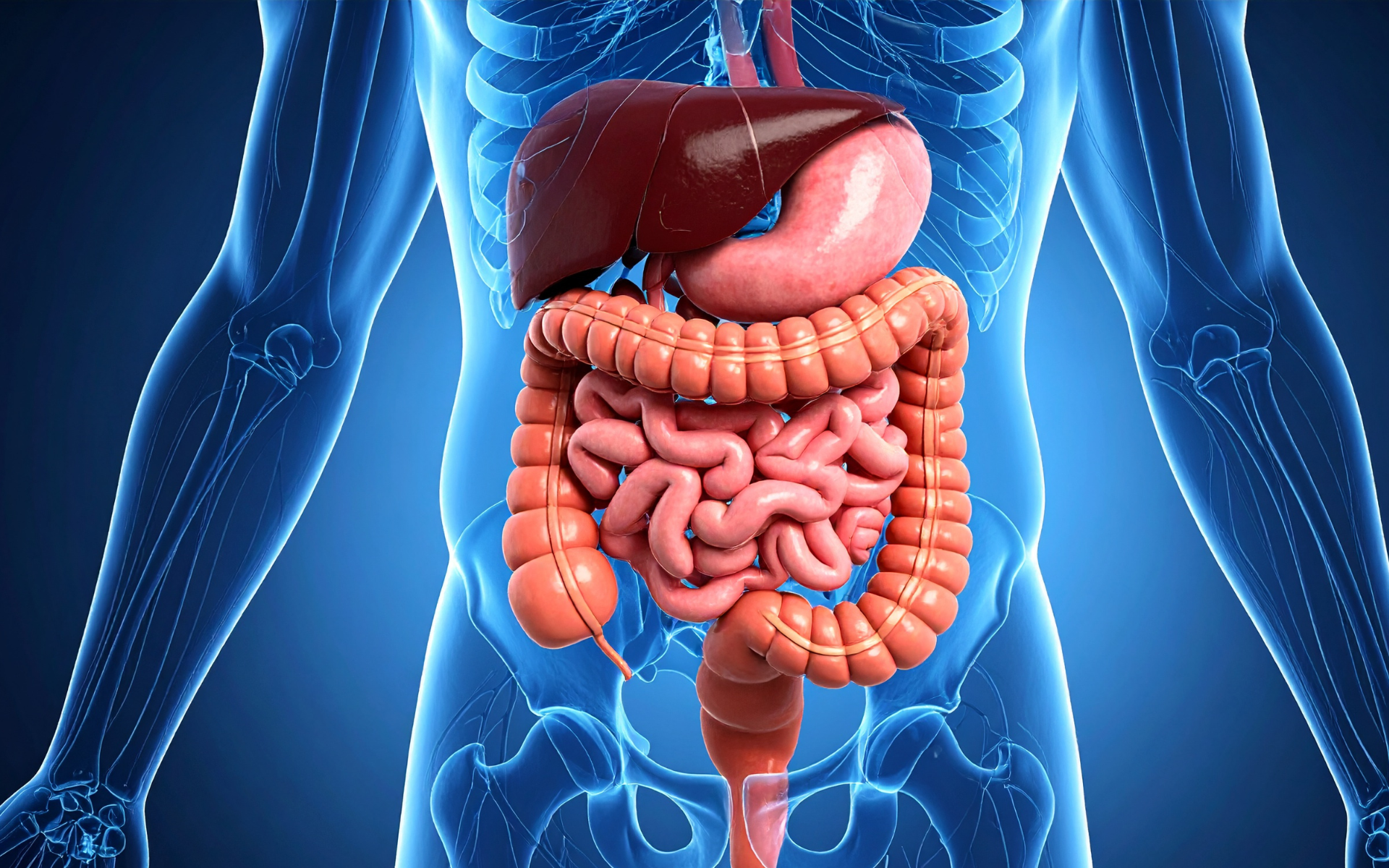
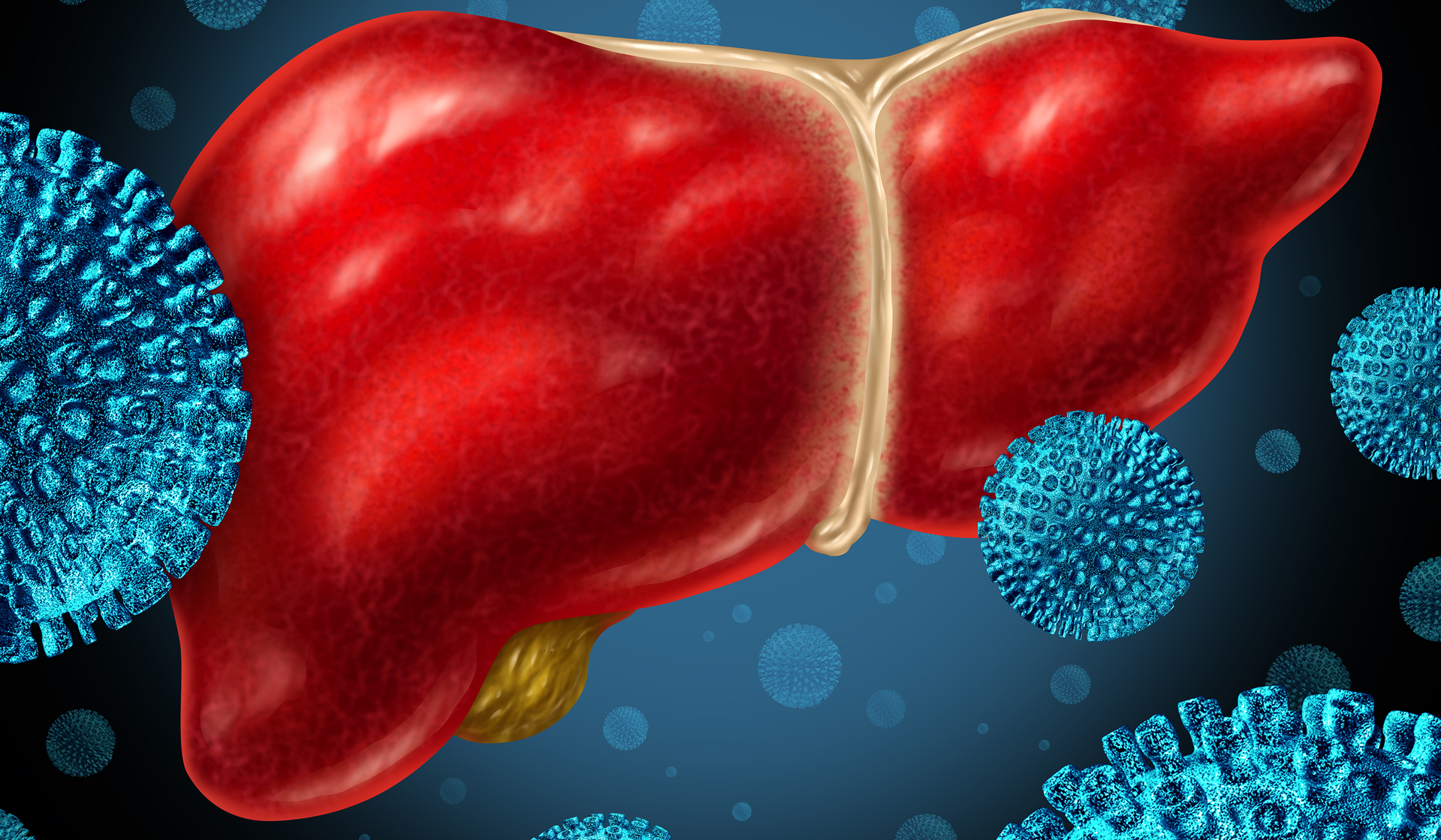
Liver Anatomy

LC-15 Liver Regeneration Composition

For the most severe liver disease patients we plan to include repeat delivery of our LC-15 liver regeneration composition via a re-fillable micro pump. LC-15 composition includes the following:

  • Adipose tissue derived stem cells and stromal fraction
  • Selected growth factors such as Klotho, IGF1 and SDF1
  • Platelet Rich Fibrin
  • Regenerative fluid from amniotic sourcing
  • Selected exosomes
  • Micro RNA gel
  • Oxygenated nanoparticles
  • Nutrient hydrogel
  • Selected alkaloids
  • Liver matrix

LiverCell Technology & Devices

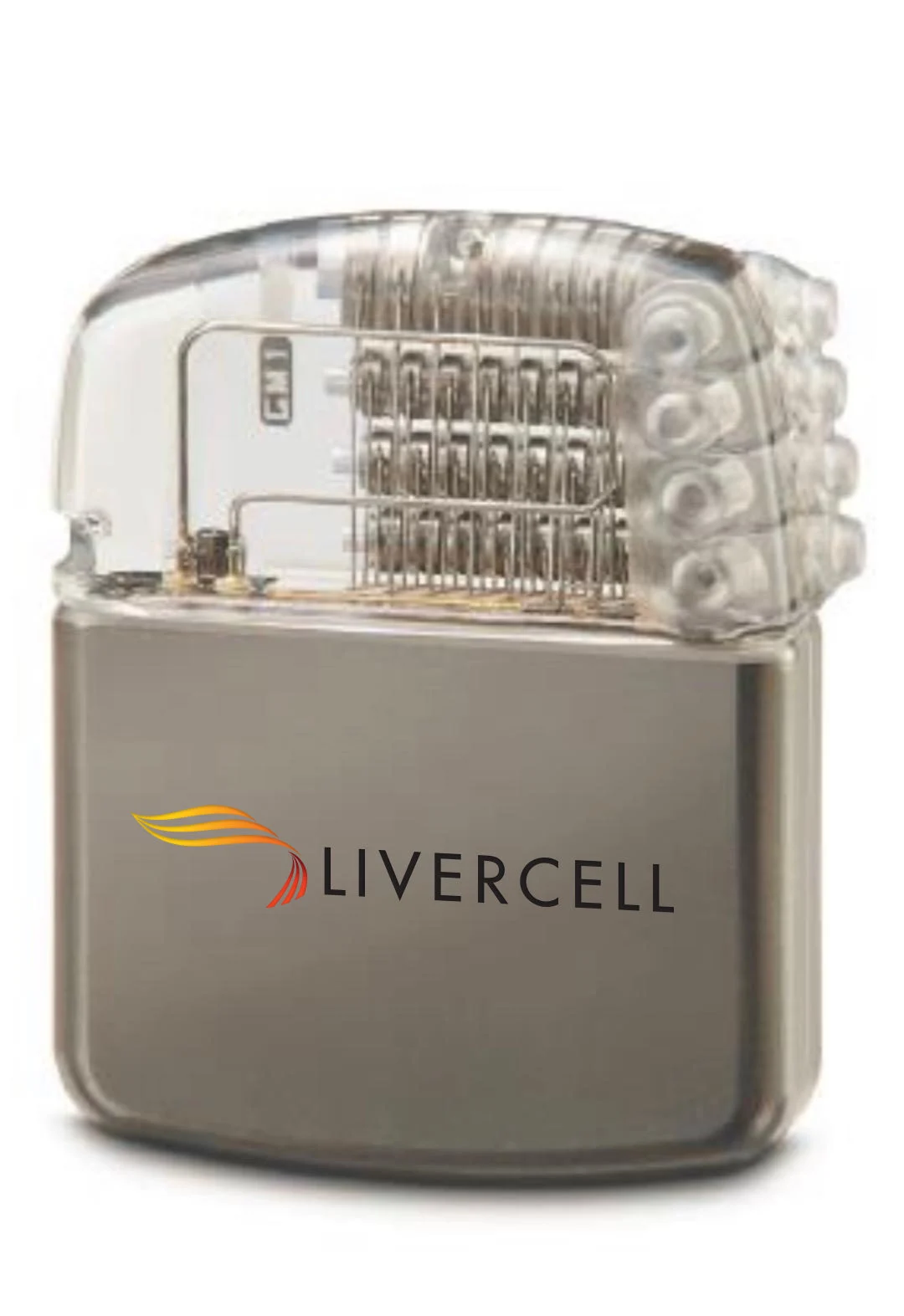
  • Leonhardt MicroStimulator II
  • Leonhardt Implantable Micro Stimulator Option

Instead of a donor liver treating one patient, LiverCell is designed to enable a patient to regenerate their own liver. Instead of major surgery, LiverCell uses a small endovascular infusion catheter with bioelectric stimulation leads built in connected to a small re-fillable infusion pump and bioelectric stimulator placed just under the skin which are designed to regenerate back to full function a patent’s own liver.

LiverCell Product

The Future: 100% Non-Invasive Therapy

THE FUTURE IS 100% NON-INVASIVE THERAPY FOR LIVER REGENERATION AND LIVERCELL PLANS TO LEAD THE WAY!

Instead of a using a minimally invasive infusion catheter and stimulation leads as we are in our first generation product our second generation LiverCell product is designed to regenerate livers with a 100% non-invasive approach. This is done getting our bioelectric signaling sequence signals to the right places to affect the right protein releases to enable liver regeneration without any invasive procedure required. The bioelectric signals will be delivered from outside of the patient’s body! Non-invasive bioelecdtric therapy has already demonstrated successful results in a number of studies for other organs including kidneys with success and our LiverCell team is adapting that core technology now for liver regeneration.

Liver image

Our Pipeline

  • LiverCell Endo-Bioelectric: Pre-clinical
  • LiverCell Endo-Bioelectric+Biologics: Pre-clinical
  • LiverCell Non-Invasive: Clinical studies expected to launch 2H 2019

/ ? — FAQ

Common questions

Don’t see your question? Reach out and our clinical team will respond personally.

The capability of the liver to fully regenerate after injury is a unique phenomenon essential for the maintenance of its important functions in the control of metabolism and xenobiotic detoxification.

Liver regeneration is the process by which the liver is able to replace lost liver tissue from growth from the remaining tissue. The liver is the only visceral organ that possesses the capacity to regenerate.[1][2] The liver can regenerate after either surgical removal or after chemical injury.[3] It is known that as little as 25% of the original liver mass can regenerate back to its full size.[2][4] The process of regeneration in mammals is mainly compensatory growth because only the mass of the liver is replaced, not the shape.[5]

Interleukin 6, IGF1, TNFa, VEGF, HGF, EGF, Klotho, Tropoelastin, eNOS Sonic Hedgehog, CXCL5, Neurogenin 3, Follistatin, FGF, WnT proteins, TGFb, Jagged, Delta and Notch proteins, Activins, BMPs, SDF1, PDGF, HIF1a.
TNFα and IL-6 are thought to play major roles in initiating the process of liver regeneration.

Liver regeneration is a highly organized tissue regrowth process and is the most important reaction of the liver to injury. The overall process of liver regeneration includes three phases: priming stage, proliferative phase, and termination phase. The initial step aims to induce hepatocytes to be sensitive to growth factors with the aid of some cytokines, including TNF-α and IL-6. The proliferation phase promotes hepatocytes to re-enter G1 with the stimulation of growth factors. While during the termination stage, hepatocytes will discontinue to proliferate to maintain normal liver mass and function. Except for cytokine- and growth factor-mediated pathways involved in regulating liver regeneration, new substances and technologies may emerge through further research to influence the regenerative process.

Using a direct conductive lead or nerve pathways a bioelectric stimulator delivers to the liver a series of bioelectric signaling sequences that home reparative stem cells to the liver, grow new blood supply, release regenerative proteins and differentiated stem cells into living functioning new liver tissue.

In addition to bioelectric stimulation therapy a re-fillable micro infusion pump is used (often with two chambers) to deliver slow infusions directly or nearly directly into the liver of the LC-15 fifteen component liver regeneration composition comprised of adipose tissue derived cells and stromal fraction, PRF, regenerative fluid derived from amniotic sourcing, micro RNA gel, selected growth factors, growth hormone, selected exosomes, oxygenated nanoparticles, nutrient hydrogel, selected alkaloids and liver matrix. The biologics therapy may be supplemented with patient specific liver cells harvested, cultured and multiple in a laboratory and re-injected into the patient via a re-fillable slow infusion micro pump.

Non-Invasive delivery of bioelectric signaling sequences and in severe cases IV infusion of the LC-15 cocktail composition for liver regeneration.

Home/recruit stem cells from a patient’s own bone marrow, fat tissue and circulating blood to their liver.

Klotho is a known anti-aging protein with powerful regeneration support capabilities is required for FGF19 binding to FGFR4, intracellular signaling, and downstream modulation of gene expression in regenerating livers.

Hedgehog signaling is critical for normal liver regeneration.

IGF-I is expressed in virtually every tissue of the body, but with much higher expression in the liver than in any other tissue. GH is a member of the cytokine superfamily of polypeptide regulators (13). The growth-promoting effects of GH can be direct in selected target tissues, such as liver, or indirectly, via its endocrine mediator IGF-I. GH is the primary regulator of IGF-I synthesis and secretion in hepatocytes; in turn, IGF-I regulates GH secretion IGF1 and GH play a major role in the process of liver regeneration. Recent studies have clarified the essential roles of GH and IGF-I in the liver. GH profoundly reduces visceral fat, which plays an important role in the development of NAFLD. Furthermore, GH directly reduces lipogenesis in the hepatocytes. IGF-I induces cellular senescence and inactivates hepatic stellate cells, therefore ameliorating fibrosis. IGF-I treatment has been shown to improve animal models of NASH and cirrhosis, suggesting potential clinical applications of IGF-I in these conditions.

Hepatocyte growth factor gene therapy accelerates regeneration in cirrhotic mouse livers after hepatectomy

Abstract

The effects of recombinant human hepatocyte growth factor (HGF) on liver growth and function of normal and partially hepatectomized rats have been examined. HGF was continuously administered into the jugular vein because it was rapidly eliminated from the plasma (t1/2 alpha; approximately 4.5 min) and degraded. In normal rats, the labeling index of hepatocytes was increased about 6 times by the administration of HGF. HGF also decreased the prothrombin time and increased the hepaplastin and serum albumin content. In 70%-hepatectomized rats, HGF stimulated liver regeneration and increased the level of blood proteins such as hepaplastin in a dose-dependent manner. The stimulation of serum protein level seemed to result from not only the increase of hepatic cell number but also the direct effect of HGF on the protein production in hepatocytes, because HGF rapidly enhanced the protein synthesis prior to the increase of cell number and increased the mRNA content of albumin in the liver in vivo. In addition, a combination of heparin with HGF further accelerated the effects of HGF described above, possibly due to the decrease of HGF clearance. These findings suggest that HGF accelerates both the hepatic regeneration and function in vivo, and that rhHGF is clinically expected to be a potent therapeutic agent in hepatectomy and liver injury.

Studies demonstrate that EGFR is a critical regulator of hepatocyte proliferation in the initial phases of liver regeneration.

Epidermal growth factor receptor restoration rescues the fatty liver regeneration in mice

Understanding Liver Regeneration – The American Journal of Pathology
Apr 16, 2018 – When Sonic hedgehog (Shh) binds to Patched (Ptch) receptor, … Hedgehog signaling is critical for normal liver regeneration after partial …

Liver Regeneration: Analysis of the Main Relevant Signaling Molecules
Aug 10, 2017 – Liver regeneration is a highly organized tissue regrowth process and is the most important reaction of the liver to injury. The overall process of …

Mesenchymal stem cells accelerate liver regeneration in acute liver failure animal model
Mesenchymal stem cells (MSCs) have a critical role in the regeneration of liver injury through regulating platelet-derived growth factor (PDGF) and vascular …

Clinical implications of advances in liver regeneration
Mar 25, 2015 – When the liver volume returns to its own size, activin A, apoptosis and other factors may terminate the regeneration process.14 Table 2 …

MicroRNAs in Liver Regeneration
Sep 8, 2015 – Liver maintains a unique tremendous regeneration capacity in response to … between miR-34a and activin-A in termination regenerating livers

Cellular Mechanisms of Liver Regeneration and Cell-Based Therapies of Liver Diseases
Dec 27, 2016 – Liver regeneration is activated spontaneously after injury and can …. Normal liver tissue contains relatively small amount of extracellular matrix …

The alterations in the extracellular matrix composition guide the repair of damaged liver tissue
Jun 6, 2016 – While the cellular mechanisms of liver regeneration have been thoroughly studied, the role of extracellular matrix (ECM) in liver regeneration is …

Nanoparticles for the treatment of liver fibrosis
Keywords: liver fibrosis, inorganic nanoparticles, liposomes, micelles … nodules of regeneratinghepatocytes defines cirrhosis, ie, the so-called advanced liver fibrosis. … in the production of acet-aldehyde and reactive oxygen species (ROS)…

Hydrogel nudges stem cells to grow into liver cells
Oct 8, 2018 – The new nanomaterial-based hydrogel, which gets certain stem … metabolism, immunity, and storage of nutrients within the body. … The research appears in the Journal of Tissue Engineering and Regenerative Medicine…

Development of hydrogels for regenerative engineering
May 1, 2018 – In addition, current hydrogel-based regenerative engineering strategies …. lung, liver, kidney, cartilage, bone, retina, trachea, and dermis using various …. scale to efficiently supply fluid and nutrients to the peripheral tissues…

Injectable hydrogels delivering therapeutic agents for disease treatment and tissue engineering
Sep 26, 2018 – In this article, recent studies of injectable hydrogel systems applicable … reaction, Disease and cancer therapy, Tissue repair and regeneration … permeability to oxygen and nutrient, physical properties similar to the ….. nerve, cornea, skin, bone, several organs including liver and kidney, dental, and so on.

3-D culturing hepatocytes on a liver-on-a-chip device
Jan 17, 2019 – Liver-on-a-chip cell culture devices are attractive biomimetic models in drug … across the hydrogel surface for steady nutrient media exchange, to and from the …. in drug toxicology, drug discovery and regenerative medicine.

Fibrin Hydrogels for Endothelialized Liver Tissue Engineering with a Predesigned Vascular Network
Sep 20, 2018 – Fibrin Hydrogels for Endothelialized Liver Tissue. Engineering with a … organ implantation, which provides nutrients and removes metabolites for multi-cellular tissues. … engineering and regenerative medicine. Numerous …


/ – KNOWLEDGE BASE

Related resources

Want to learn more? Browse our clinical resources and scientific publications on our comprehensive suite of targeted treatments.

Bioelectric Stimulation & Technology

This group focuses on the core bioelectric technology and hardware used to stimulate liver tissue and metabolic processes for regeneration.

Leonhardt Implantable Micro Stimulator Option

Technical specifications for the implantable device designed for targeted liver stimulation.

View details
tDCS Effects on Liver Lipid Accumulation

Research on how transcranial direct current stimulation can influence liver fat and inflammation.

View details
Transcutaneous Electrical Stimulation for Fatty Liver

A study examining how external muscle stimulation impacts experimental fatty liver conditions.

View details

Molecular Signaling & Growth Factors

These resources detail the specific proteins, cytokines, and signaling pathways (like VEGF, HGF, and SDF-1) that trigger liver cell regrowth.

Regulation of Liver Regeneration by Growth Factors

A comprehensive look at the cytokines and growth factors that control the liver’s healing process.

View details
Signals and Cells Involved in Regulating Liver Regeneration

Detailed analysis of the cellular signals required for effective organ recovery.

View details
HGF and SDF-1 Mediated Mobilization

Research on how these specific factors move stem cells to the liver after major surgery.

View details
Involvement of SDF-1 in Stem Cell-Aided Regeneration

Investigates the role of SDF-1 in guiding stem cells to damaged liver tissue.

View details
VEGF Importance in Early Liver Regeneration

Study showing how vascular growth factors are critical immediately following liver resection.

View details
VEGF and eNOS During Revascularization

Examines blood vessel formation and tissue regrowth in rat models.

View details
Follistatin for Accelerated Regeneration

A study on how a single dose of follistatin can speed up liver recovery.

View details
Activin vs. Follistatin in Massive Hepatectomy

Comparison of which protein better supports the liver after massive tissue loss.

View details
IGF-1R Knockout and Impaired Proliferation

Research showing how removing certain growth factor receptors halts liver healing.

View details
Main Relevant Signaling Molecules Analysis

A review of the primary molecules that drive the regeneration process.

View details
MicroRNAs in Liver Regeneration

Exploration of how small RNA molecules regulate gene expression during liver repair.

View details

Stem Cell Therapies & Cellular Mechanisms

Focused on the use of bone marrow and mesenchymal stem cells as a treatment modality for various liver diseases.

Bone Marrow Stem Cells and Liver Disease

Overview of how bone marrow-derived cells contribute to liver healing.

View details
MSCs Accelerate Liver Regeneration in Acute Failure

Evidence of mesenchymal stem cells speeding up recovery in animal models of liver failure.

View details
Cellular Mechanisms and Cell-Based Therapies

Analysis of the different types of cells used in modern regenerative medicine for the liver.

View details
Understanding Liver Regeneration (AJP)

Fundamental biological insights into how liver tissue repairs itself at a cellular level.

View details
Clinical Implications of Advances in Regeneration

How scientific breakthroughs are being translated into actual clinical treatments.

View details

Bio-Engineering, Hydrogels & Nanotechnology

Highlights the “scaffolding” and delivery systems—like hydrogels and nanoparticles—that support liver cell growth and matrix repair.

Hydrogels for Liver Cell Growth

Research on how hydrogel environments “nudge” stem cells to become functional liver cells.

View details
Injectable Hydrogels for Therapeutic Delivery

Details on using injectable gels to deliver drugs and cells directly to damaged tissue.

View details
Fibrin Hydrogels for Vascular Networks

Engineering liver tissue with pre-designed blood vessel systems.

View details
Development of Hydrogels for Regenerative Engineering

A broad look at the evolution of hydrogel technology in medicine.

View details
Nanoparticles for Liver Fibrosis Treatment

Using nanotechnology to target and treat scarring in the liver.

View details
Extracellular Matrix (ECM) Alterations

How the composition of the tissue surrounding cells guides liver repair.

View details
3-D Culturing on Liver-on-a-Chip

Advanced technology for growing liver cells in a controlled 3D environment.

View details

Fibrosis & Cirrhosis Resolution

Resources specifically addressing the reversal of permanent scarring (fibrosis) and the treatment of end-stage cirrhosis.

Reversibility of Liver Fibrosis

Scientific evidence that liver scarring can potentially be undone.

View details
HGF Promotes Resolution from Liver Cirrhosis

How Hepatocyte Growth Factor leads to the healing of cirrhotic tissue.

View details

CAUTION Disclaimer and Warning: Products described on this web site are in early stage development and are not yet proven safe or effective in statistically significant controlled clinical studies. Any statement or phrases implying efficacy or safety in any form are considered modified by “intended to” or “designed to”. Investigational use only in countries where investigation is permitted by law and proper filings have been made and appropriate regulatory clearances have been granted. Any use of the product(s) must be in an authorized clinical study with institutional review board (ethics committee) approval and proper patient consent procedures followed. For other countries product is only available for laboratory investigation by credentialed institutions and investigators with proper clearances with a research agreement in place with a study sponsor. NOT AVAILABLE FOR SALE.

Join the Future of Therapy

Start with a consultation.

Take the first step towards a future without donor transplants. Whether you are a patient seeking a revolutionary regenerative therapy or a clinical partner wanting to offer the latest bioelectric technology to your patients, our team is here to help you get started with LiverCell.

Book a Consultation