
Valvublator II Video
Valvublator Core Pitches
1. Helping patients keep their own heart valve instead of getting a cow, pig, steel or plastic implant.
2. Intervening early to de-calcify and regenerate heart valves BEFORE they are so degraded that a foreign implant is needed. You should start taking care of your heart valves like you do your teeth and gums and prevent the need for implants.
Core obstacle
Others have successfully decalcified heart valves but the problem was that the re-calcified very quickly or they had aortic regurgitation (see attached paper and
link).
Core solution
We more gently decalcify the heart valve and use patented bioelectric signaling controlled stem cell homing, differentiation and regenerative protein expressions as well as calcification prevention protein expressions to prevent decalcification.
Journal of the American College of Cardiology
Volume 16, Issue 3, September 1990
DOI: 10.1016/0735-1097(90)90352-P
PDF Article:
Download
Ultrasonic aortic valve decalcification: Serial Doppler echocardiographic follow-up
William K. Freeman, Hartzell V. Schaff, Thomas A. Orszulak and A. Jamil Tajik
Abstract
Serial two-dimensional and Doppler echocardiography was performed on 61 patients who had surgical ultrasonic aortic valve decalcification for calcific aortic stenosis. The mean patient age at the time of operation was 77.4 ± 7.0 years; 93% had moderate to severe preoperative symptomatic limitation.
Compared with preoperative studies, Doppler echocardsographic evaluation before hospital discharge revealed a significant reduction in the mean aortic valve pressure gradient (45.3 ± 16.2 to 14.4 ± 6.5 mm Hg, p < 0.0001) and improvement in aortic valve area (0.62 ± 0.17 to 1.33 ± 0.33 cm2, p < 0.0001). There was no initial change in aortic regnrgitation grade.
Follow-up Doppler echocardiographic evaluation was passible in 43 patients alive at 9.3 ± 3.9 months.
A small but statistically significant trend toward aortic restenosis was found; only one patient had severe restenosis. Severe aortic regurgitation had developed in 26% of patients and moderate aortic regurgitation in 37%. Aortic valve replacement was performed in six patients (14%) wiyh severe symptomatic aortic regurgitation. Significant deficiency in central coaptation as a result of cusp scarification and retraction appeared to be the mechanism of postdecalcification regurgitate.
Attempted salvage of the native aortic valve in severe calcific stenosis by ultrasonic decalcification adequately relieves stenosis but leads to an unacceptable incidence of significant aortic regurgitation at follow-up study.
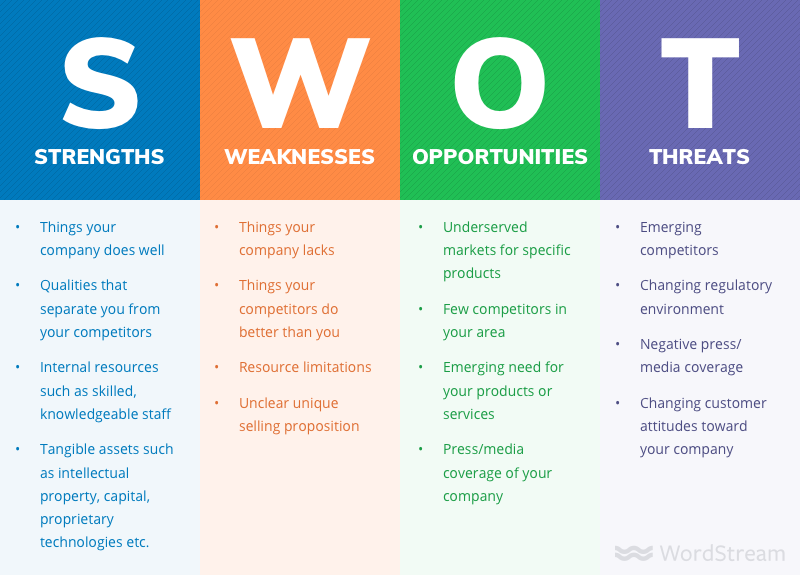
Strengths
- Patented regenerative heart valve technology (SDF1, PDGF, Klotho, Follistatin and more)
- Patent pending anti-recalcification technology
- Gentle decalcification approach
- Percutaneous 14FR catheter delivery
- Procedure takes under 1 hour
- At-home Klotho stimulation protocol
- Large potential market
- Experienced cardiovascular team
- Strong advisory board
Weaknesses
- Unproven technology; needs more clinical data
- Risk of re-calcification
- Existing strong competitors (TAVR)
- Limited funding and staffing
Opportunities
- $10B+ market size
- Up to 20% annual growth
- Early intervention could expand market 5x
- Potential 510K regulatory pathway
Threats
- Competing valve technologies (Resilia, TAVR, etc.)
- Embolic complications
- Industry competition and PR pressure
- Aortic regurgitation risk
- Lithotripsy and ultrasound-based competitors
TAVR Risks
- Bleeding
- Blood vessel complications
- Valve leakage or displacement
- Stroke
- Arrhythmia or pacemaker requirement
- Kidney disease
- Heart attack
- Infection
Mechanical Decalcification of the Aortic Valve