Portfolio venture
CerebraCell Logo

CerebraCell

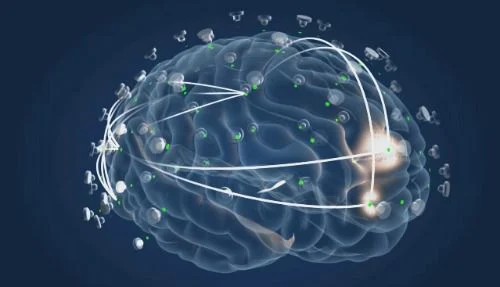
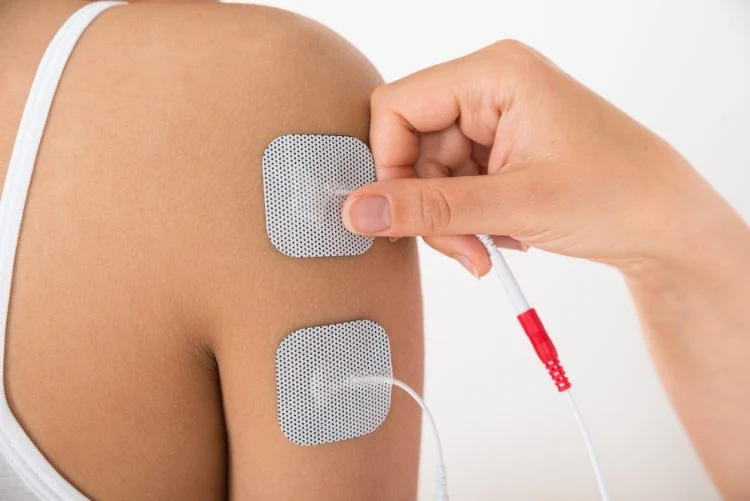
CerebraCell is a biotechnology leader dedicated to restoring quality of life through regenerative brain therapies. We utilize precise bioelectric signaling and stem cell homing to heal individuals suffering from brain injury, stroke, and neurodegenerative diseases.

Contact
Get in touch

(424) 291-2133

12130 Millennium Dr, Los Angeles, California, United States of America 90094

Open in Maps
/ – THE COMPANY

About this Venture

Discover our background, mission, and the world-class research driving our next-generation medical technology.

Our Mission

Our mission is to heal individuals suffering from the mental and physical ailments caused by brain injury and disease. Our team is dedicated to improving and restoring the quality of life by delivering regenerative therapies to the brain.

Our Story

CerebraCell is a biotechnology product designed to treat neurological and neurodegenerative diseases or enhance the recovery after traumatic brain injury (TBI) and stroke. The brain is the control center for the body and defines human life. Damage and disease can significantly decrease mental and physical capabilities, which can be detrimental to the individual’s overall health and well-being. To us, there is nothing more important than the quality of life for our patients. Our team is made up of thought leaders, scientists, and medical doctors worldwide, creating a solution for the ever-growing issue of brain disease and trauma.

CerebraCell Milestones & Historical Timeline

  • 46AD: Electric fishes used do treat headaches – Scribonius Largo, physician of the Roman emperor Claudius, in his text “Compositiones medicamentorum”
  • 1804: Giovanni Aldini (1762–1834), nephew of the discoverer of animal electricity Luigi Galvani (1727–1798) and professor of Physics at the University of Bologna, performed electrical stimulations on the exposed human cerebral cortex of recently decapitated prisoners. In 1804, Aldini reported that cortical stimulation evoked horrible facial grimaces. This finding led him to conclude that the cortical surface could be electrically stimulated; supporting that electricity could have therapeutic effects in the treatment of many neuropsychiatric disorders (Aldini, 1804; Boling et al., 2002; Parent, 2004). Aldini’s experimentations and hypotheses led to direct research into two strands that would later developed during the ninetieth and twentieth century: on the one hand the use of brain stimulation for neurophysiologic investigation (initially on animals and then on humans) to understand the functioning of the brain, on the other hand the use of the techniques of brain stimulation for therapeutic purposes.
  • 1809: Luigi Rolando (1773–1831) first used galvanic current to stimulate the cortical cortex of animals (Rolando, 1809), highlighting the functions of brain area.
  • 1887: More precise and systematic observations on the topography of the brain had been made in 1887 by the British surgeon Victor Horsley (1857–1916) (Vilensky and Gilman, 2002)
  • 1929: The discovery of electroencephalography (EEG) in 1929 by the German psychiatrist Hans Berger was a historical breakthrough providing a new neurologic and psychiatric diagnostic tool at the time. Galvani’s accidental discovery of “biological electricity” led to Volta’s discovery of the battery (voltaic pile). Using it, Rolando was the first to stimulate cerebral surface. Thus, enabling Fritsch and Hitzig and Ferrier to develop the idea of cerebral localization (Jackson, Gowers, Gotch and Horsley). It was understandable that brain electrical stimulation produces contralateral motor response, but it was unknown whether there was a spontaneous (intrinsic) brain electrical current that could be recorded. Caton was the first to report on the “current in the brain gray substances onto open brain. Based on Caton’s discovery and of those of Beck, Danilevsky, Prawdicz-Neminsky and others, Berger made the first EEG (electrocorticogram) recording on July 6, 1924, during a neurosurgical operation on a 17-year-old boy, performed by the neurosurgeon Nikolai Guleke. He reported on the topic in 1929, using the terms alpha and beta waves. The “spike and waves” (Spitzenwellen) were described shortly thereafter by the American group of EEG pioneers (H. and P. Davies, F. and E. Gibbs, Lenox and Jasper), although Berger had also observed them but considered them artifacts. The discovery of electroencephalography was a milestone for the advancement of neuroscience and of neurologic and neurosurgical everyday practice, especially for patients with seizures.
  • 1938: Electroshock, introduced by Ugo Cerletti (1877–1963) was the first modern example of therapeutic application of brain stimulation for the treatment of severe psychosis (Cerletti, 1940; Kalinowsky, 1986). The application of an electric current on the skull evoked an epileptic seizure that “roughly” remodeled the neural connections, providing a clinical improvement to the patients.
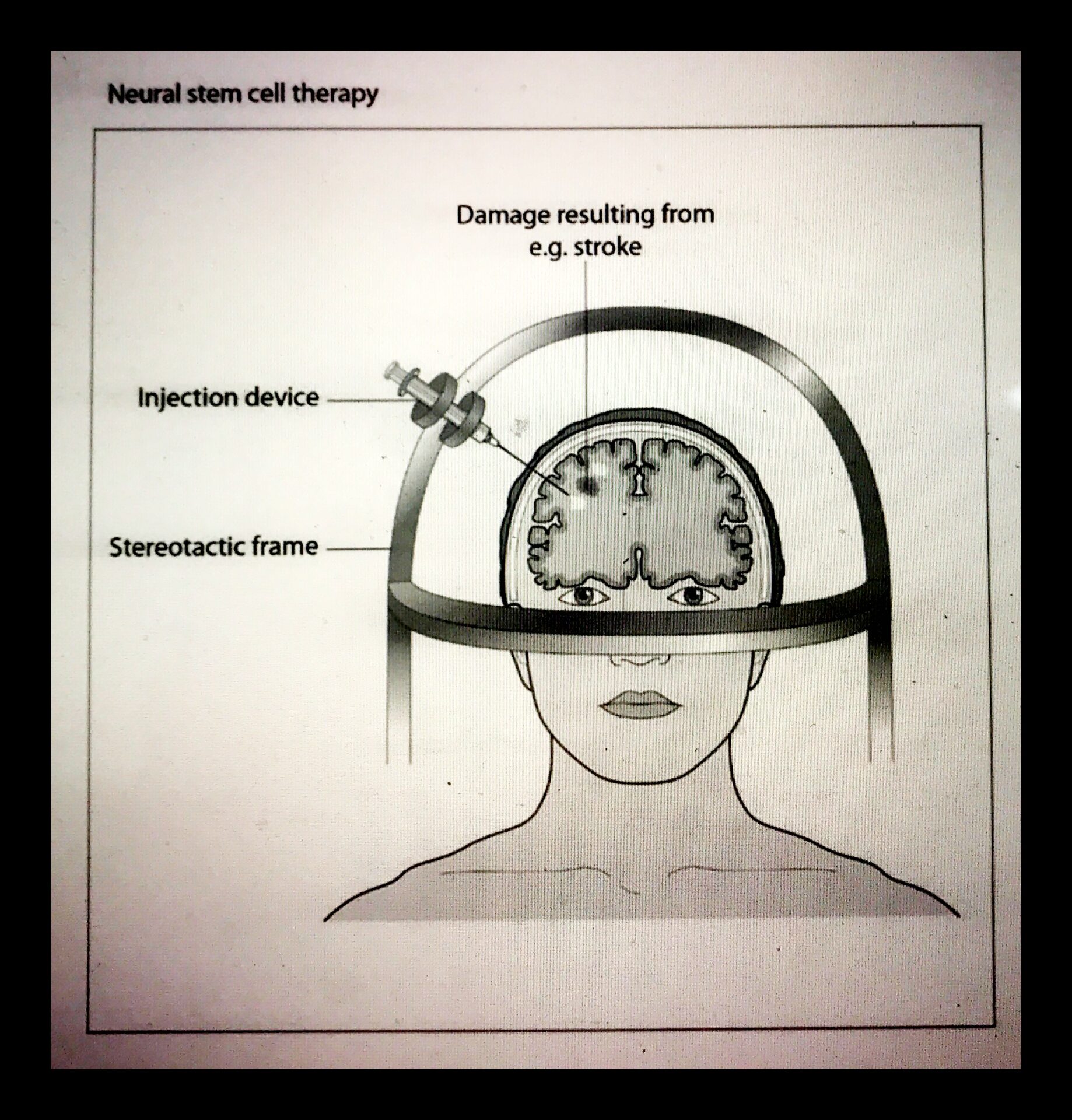
  • 1947: In 17 Ernst Spiegel and Henry Wycis, modifying the original apparatus of Clarke and Horsley (1906), produced the first human stereotactic frame that using pneumoencephalogram allowed to determine Cartesian coordinates of structures around ventricles (basal ganglia) for identifying the precise localization of the targets that had to be destroyed by radiofrequency (Spiegel et al., 1947; Zonenshyn and Rezai, 2005). Intra-operative electrical stimulation of these structures was systematically used for the exploration and the localization of the deep cerebral nuclei and for confirming target (Guiot et al., 1961; Gildenberg, 2005). These observations led to suggest that these stimulations of deep cerebral nuclei could be used not only as a method for diagnostic purposes but also as a therapeutic method itself. Thus, the evolution from lesional to stimulating functional neurosurgery was determined (Porta and Sironi, 2009).
  • 1950: Fundamental studies of the neurosurgeon Wilder Penfield (1891–1976) were published – before the brain stimulation of the human cortex could give a real accurate representation of the human brain functions, including motor and somatosensory areas (cortical homunculus; Penfield and Boldrey, 1937; Penfield and Rasmussen, 1950).
  • 1950: Brain stimulation for pain control, used as early as 1950 with good effects through temporary electrodes implanted into brain regions, after a first experimental phase, found its explanation in the “gate control theory” developed by Melzach and Wall in 1962 (Rezai and Lozano, 2002). These previous studies were the basis that led to the development of new techniques of neurostimulation: transcranial magnetic stimulation, cortical brain stimulation, and deep brain stimulation (DBS).
  • 1950’s: The origins of this technique are linked to the discovery of the effects of electrical stimulation of the deep brain areas, conducted during the stereotactic lesional functional neurosurgery to identify the correct position of coagulant electrodes for the treatment of dyskinetic disorders and tremor in Parkinson’s disease (Schwalb and Hamani, 2008). Thanks to the spread of stereotactic method, various studies demonstrated that, while “low-frequency stimulation” (5–10 Hz) could enhance tremor and other correlated symptoms, “high-frequency stimulation” (50–100 Hz) resulted in a reduction of symptoms (Albe Fessard et al., 1963; Blomstedt and Hariz, 2010). The pioneers of DBS were Delgado et al. (1952), Bekthereva et al. (1963), Sem-Jacobsen (1965), and Cooper (1978). Deep electrical stimulation of brain structures was originally introduced as a therapeutic option to treat behavioral disorders or chronic pain.
  • 1952: The Spanish neuroscientist José M. Delgado, basing on his experience of deep neurophysiologic electrical stimulation in animals, first described the technique of implantation of intracranial electrodes in humans, indicating the importance of this method for diagnosis and its possible therapeutic role in patients with mental disorders (Delgado et al., 1952
  • 1963: The first to use chronic depth stimulation as a therapy in motor disorders was Natalia Petrovna Bekthereva, neuroscientist at the Institute of Experimental Medicine and the Academy of Medical Sciences in Leningrad. In 1963 she published a work on the use of multiple electrodes implanted in sub-cortical structures for the treatment of hyperkinetic disorders (Bekthereva et al., 1963). However, since her papers were written in Russian, her works were not well known around the world. In her “therapeutic electro-stimulation,” as she named this method, she used “electric stimulation with high-rate pulses of suprathreshold current,” achieving excellent results (Bekthereva et al., 1975).
  • 1965: Dr. Jose Manuel Rodriquez Delgado of Spain demonstrates ability to control behavior aggressiveness of bulls with brain implant.
  • 1965: The Norwegian neurophysiologist and psychiatrist Carl Wilhelm Sem-Jacobsen initially used depth electrodes implanted for recording and stimulation in patients with epilepsy and psychiatric disorders. He successfully implanted multiple electrodes in the thalamus to stimulate the targets in order to identify the best lesional site in Parkinson’s disease. These electrodes were often left into the patient’s brain for several months, without any side effects. As he wrote: “these electrodes could then be used, following stimulation responses, to make incremental staged lesions in the target area” (Sem-Jacobsen, 1965, 1966; Blomstedt and Hariz, 2010).
  • 1969: Dr. Delgado implanted electrodes in 25 human subjects, most of them schizophrenics and epileptics. In 1969 he described his brain stimulation researches and discussed critical aspects and ethic implications in the book Physical Control of the Mind: Toward a Psychocivilized Society, where he showed the tremendous opportunities but also the great risks derived from neurotechnology (Delgado, 1969).
  • 1977: The experience of the American neurosurgeon Irving S. Cooper in placing electrodes over the cerebellum and into the deep thalamic nuclei for central palsy, spasticity and epilepsy was more extensive and continuous. In 1977 he reported its excellent results from chronic cerebellar stimulation in over 200 patients (Cooper, 1978).
  • 1982: Leonhardt Ventures formed originally as H.J. Leonhardt & Co. the commercialization arm of inventor Howard J. Leonhardt.
  • 1985: Dr. Robert O. Becker published landmark book The Body Electric.
  • 1988: Leonhardt research team members Dr. Race Kao and Dr. George Magovern complete first first cases of large animal organ repair with stem cells published in 1989 in The Physiologist.
  • 1988: Leonhardt forms World Medical Manufacturing Corporation in Sunrise, Florida to develop and commercialize cardiovascular organ monitoring, regeneration and recovery devices.
  • 1991: Leonhardt team develops first percutaneous heart valve working with Dr. Ivan Casagrande in Brazil at Labcor. Later patented in 1997. In 1991, both Benabid and Blond and Sigfried groups reported their results on thalamic DBSs for tremor (Benabid et al., 1991; Blond and Siegfrid, 1991).
  • 1993: Levin, Michael, Ph.D (now a part time consultant to Leonhardt’s Launchpads and CerebraCell) publishes Current and potential applications of bioelectromagnetics in medicine, (1993), ISSEEM Journal, 4(1): 77-87 laying the foundation of modern bioelectric regeneration research and goes onto to publish over 50 papers on the subject.
  • 1995: Leonhardt leads team in Australia with Dr. Ken Thomson and Dr. Peter Field that completes first non-surgical repair of an aortic aneurysm clinically.
  • 1998: Leonhardt research team collaborator Dr. Doris Taylor published study in Nature Medicine on myoblast cell repair of an animal heart.
  • 1999: Leonhardt research team collaborator Dr. Shinichi Kanno publishes in CIRCULATION the Journal of American Heart Association first paper on bioelectric limb regeneration via controlled expression of proteins such as VEGF.
  • 2000: Howard Leonhardt begins filing series of patents for organ regeneration based on bioelectric stem cell homing, proliferation and differentiation control, controlled protein expressions and in some cases combined with repeat deliveries of stem cells, growth factors, nutrient hydrogel and other organ regeneration promoting patents.
  • 2001: Leonhardt leads team that completes first ever non-surgical stem cell repair of human heart in The Netherlands with Dr. Patrick Serruys. Team went on to complete, publish and present Pilot, Phase I, Phase II and Phase II/III study results working with 33 centers in the USA and 6 centers OUS. 84% of treated patients improved or did not decline. Only 16% of treated patients declined. 69% of control or placebo patients in these same studies worsened in heart function.
  • 2007: Howard Leonhardt and noted bioelectric regeneration research Dr. Jorge Genovese formerly from the University of Utah join forces as co-inventors and begin filing numerous patent application claims together for bioelectric based organ regeneration and recovery.
  • 2011-2016: Leonhardt team leads stem cell and bioelectric limb salvage studies with partners in Czech Republic, Switzerland, Germany and Mexico with 70 patients participating with successful results. Of 70 patients treated 66 legs were saved from amputation.
  • 2015: CerebraCell is formed to develop a combination bioelectric stimulation + micro infusion pump + mixed stem cell & growth factor composition for brain regeneration with an initial focus on stroke, traumatic brain injury and brain cancer recovery. Dr. Leslie Miller joins Leonhardt’s Launchpads and Leonhardt Ventures as Chief Medical Officer. Former Chair of Dept. of Cardiovascular Medicine at University of Minnesota for over a decade. He helps oversee CerebraCell’s pre-clinical and clinical developments. Dr. Giorgio Lofrese and colleagues in Italy publish on the importance of IGF-1 in brain injury recovery – https://www.ncbi.nlm.nih.gov/pmc/articles/PMC4568328/ Kelsie Fortner Leonhardt Neuro Scientist, (B.S. Neuroscience) from Westminster College Utah joins CerebraCell founding team as an advisor and co-grant writer. Jeremy Koff experienced builder of Neuro Modulation startups joins CerebraCell’s Board of Directors and team as VP of Business Development. He is nephew of noted Neuro Modulation industry leader Alfred Mann that had more than $15 billion in exits during his career. Jeremy worked for more than 20 years under the mentorship of Alfred Mann in his companies.
  • 2016: Leonhardt and Genovese filed provisional patent application for bioelectric stimulation controlled release of IGF-1. Leonhardt’s Launchpads Utah, Inc. with CerebraCell are accepted into the BioInnovations Gateway USTAR laboratory in Utah with access to over $30 million of research lab equipment and resources and subsidized research lab space. CerebraCell Utah lab team lead by Michael Angerbauer tests out various brain helmet designs for brain stimulation. Christian Oveson joins Utah lab research team. Leonhardt and Genovese filed provisional patent application for CerebraCell “Brain Saving Helmet”. Stanford team (not associated with CerebraCell) led by Dr. Gary Steinberg published landmark study demonstrating remarkable recovery of some brain stroke patients treated with modified stem cells. Dr. Thomas Ichim joins CerebraCell as senior advisor. Leading stem cell researcher from San Diego. Dr. Dinesh Patel joins Board of Director of Leonhardt’s Launchpads Utah, Inc. Noted biomedical entrepreneur and early stage life science angel investor. CerebraCell announces collaboration with HeartScore to develop a total stroke management program. CerebraCell presents at Neuro Tech Leaders Forum. Christian Oveson and Joshlyn Morgan join Utah lab research team. David Robinson, Devin Thorpe, Dr. Harrison Lazarus, Scott Marland, Dr. John Langell all join Leonhardt’s Launchpads Utah, Inc. Advisory Board. CerebraCell team meets with Bryan Johnson of Kernel to discuss potential research collaboration on cognitive function improvement. Leonhardt team creates new CerebraCell unit focused on this area called CerebraCell Brain-N-Hance.
  • 2017: Leonhardt and Genovese file new series of patents focused on organ regeneration with combination therapies including brain regeneration. Asli Gozoren joins Leonhardt’s Launchpads as Director of Investor Relations. Dr. Santosh Kesari Director of Research at the Pacific NeuroSciences Institute in Santa Monica, CA joins CerebraCell as Chief Medical & Scientific Advisor. MIT team reports wireless deep brain stimulation – “Traditional deep brain stimulation requires opening the skull and implanting an electrode, which can have complications. Secondly, only a small number of people can do this kind of neurosurgery,” says Ed Boyden, an associate professor of biological engineering and brain and cognitive sciences at MIT, and the senior author of the study, which appears in the June 1 issue of Cell. CerebraCell team reaches out to them to try to initiate research collaboration. Dr. Warren Merrifield joins CerebraCell as Chief Technology Officer. Kapil Sharma and Sejal Chaudhari join Utah research lab team.

/ – THE TECHNOLOGY

The Technology behind it

Discover the science and innovation driving our advanced solutions, designed to deliver safe, effective, and transformative results.

Core Technology Overview

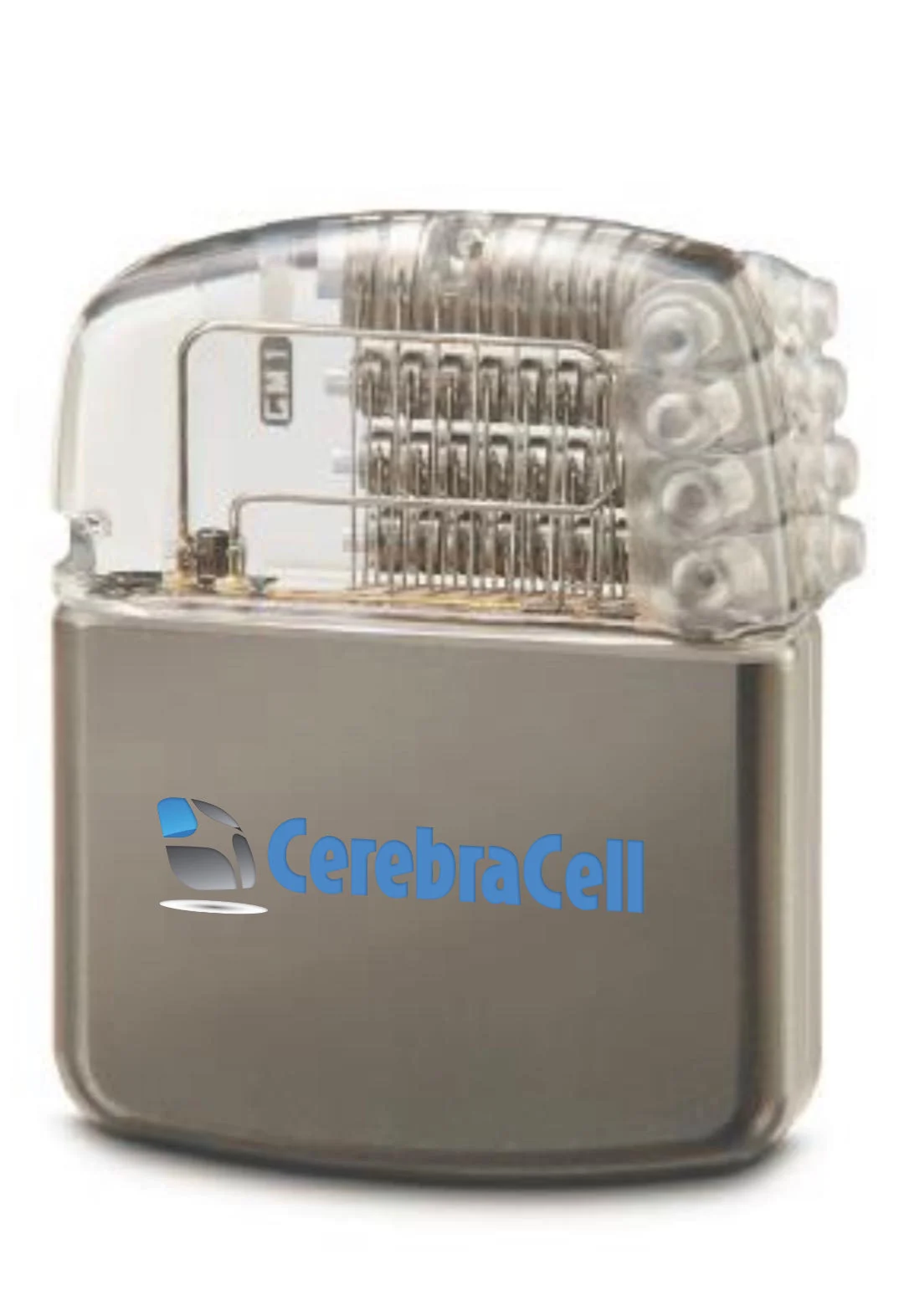
CerebraCell is a biotechnology product designed to treat neurological and neurodegenerative diseases or enhance the recovery after traumatic brain injury (TBI) and stroke. Unlocking the power of precise bioelectric signaling, stem cells and selected support agents to regenerate and improve brain recovery and function. CerebraCell is focused on brain regeneration utilizing patented microcurrent signals that home stem cells to the brain and cause new blood vessels to grow. For advanced severe cases we add stem cell and growth factor injections and for extremely advanced cases we implant a re-fillable, programmable micro pump regeneration stimulator.

Cerebracell

Product Description & Neurogenesis

Cerebracell is designed to stimulate true neurogenesis, the formation and nurturing of new neuron cells, to regenerate damaged or diseased brain tissue = true brain regeneration. We do this by bioelectric stimulation controlled release of more than 10 essential brain regeneration promotion cytokines. Our most important controlled cytokine release is SDF-1 which is a stem cell homing factor which recruits stem cells from a patient’s own bone marrow, fat and circulating blood to the stimulated brain tissue areas.

Advanced Signaling & Biological Composition

We have another signal of opposite polarity for controlling the differentiation of those recruited stem cells into healthy functioning brain tissue. We also stimulate the release of IGF-1 for DNA level repair, HGF, EGF, Activin A+B, eNOS, VEGF, Follistatin and Tropoelastin all of which contribute to regeneration. eNOS, HGF and VEGF help improve blood supply to the treated area. For severe brain damage recovery and difficult disease cases we add our programmable micro infusion pump which is filled daily or weekly with our proprietary CCA-15 and CCR-15 fifteen component angiogenic and regeneration compositions comprised of a variety of cell types, growth factors, nutrient hydrogel, exosomes, Micro RNAs, brain matrix and other neurogenesis promoting molecules including harmine and tetrahydroharmine alkaloids and inflammation control agents.

StemCell

Clinical Potential & Brain Tumor Protocol

We believe that our combination bioelectric regeneration stimulator, micro infusion pump and proprietary 15 component angiogenic + regeneration compositions have the potential to do a better job of helping people recover from brain injuries or brain related diseases than any other therapy brought forward before. We are on a path to implement well designed clinical trials to prove this out. For brain tumor cancer patients we have patent pending specially tuned bioelectric signals designed to stop cell division and blood supply to the tumors.

Cerebracell

Three Specialized Product Tiers

  1. Bioelectric Brain: Non-invasive precise bioelectric stimulation for controlled regenerative protein release via a non-invasive cap.
  2. Regenerative Deep Brain Stimulation (DBS): Deep brain stimulation using precise bioelectric stimulation for controlled regenerative protein release.
  3. Regenerative DBS and Biologics: Deep brain stimulation using precise bioelectric stimulation for controlled regenerative protein release combined with a 15 component full complex brain regeneration composition.

Disease States & Conditions Targeted

CerebraCell is targeting these disease states and conditions:

  • Cerebral stroke recovery.
  • Concussion recovery.
  • Injury related brain damage.
  • Brain cancer recovery.
  • Parkinson’s, Alzheimer’s and dementia.
  • Cerebral aneurysm repair.
  • Depression.
  • Brain memory recovery and enhancement.
  • Brain function enhancement.

Brain Anatomy
/ ? — FAQ

Common questions

Don’t see your question? Reach out and our clinical team will respond personally.

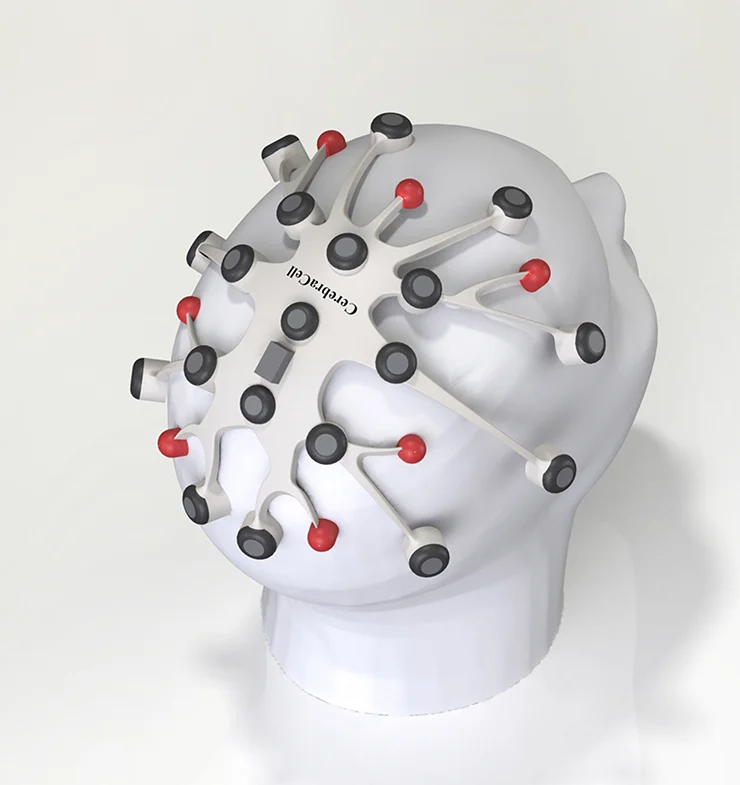
CerebraCell is designed to recover lost brain function from stroke, injury or disease with non-invasive bioelectric stimulation. Our first product is expected to be a “brain saving helmet”, followed possibly by other advanced and possibly invasive therapeutic intervention. Future products may include directing a combination pacing (electrical conduction) lead and infusion catheter connected to a micro infusion pump to the affected brain areas and/or the implantation of a single or multiple micro bioelectric stimulation coils. For these severe cases the micro infusion pump would be designed to be re-filled daily, weekly or monthly with our proprietary CC-15 fifteen component mixed brain regeneration composition comprised of stem cells, growth factors, exosomes, Micro RNAs, selected alkaloids such as harmine, nutrient hydrogel and brain matrix which is slowly and repeatedly infused into the affected brain regions.

Summary – We strive to regenerate damaged brain tissue and to improve blood circulation. Are product is intended to:

  • Stem cell homing from precise bioelectric signals- SDF1 + PDGF. A person’s own stem cells are recruited from their bone marrow, fat tissue and circulatory blood.
  • Stem cell proliferation from precise bioelectric signals.
  • Stem cell differentiation control from precise bioelectric signals.
  • New blood vessel formation from precise bioelectric signals – VEGF, PDGF, eNOS, HGF, HIF1a, SDF1.
  • Improved elasticity of tissues from precise bioelectric signal – Tropoelastin.
  • DNA repair from precise bioelectric signal – IGF1.
  • Inflammation real time monitoring and real time treatment via InStim bioelectric inflammation management bioelectric signaling.
  • Brain regeneration from repeat infusions or injections of stem cell based cocktail composition with exosomes, Micro RNAs, selected alkaloids such as harmine, nutrient hydrogel and brain matrix. The infusions/injections will include not only stem cells but also SDF1, PDGF, HGF, IGF-1, Tropoelastin, Harmine, GDF-10 and GDF-11.

CerebraCell has partnered with leading visionaries in EEG and other brain imaging modalities to develop a portable system to objectively assess, treat, and monitor the patient’s brain activity in near real-time. Our current prototype employs the use of dry EEG sensors, a technology that has been shown to reveal structural and functional abnormalities in the brain, thus making it ideal to detect trauma in both the acute and chronic phase of injury. In addition to EEG, we are exploring potential integrated systems with two modalities that may extend the use of our current CerebraCell system into more severe forms of brain trauma and age-related disorders.

To precisely map areas in the brain that need treatment, we utilize next-generation analytics that measure the flow and magnitude of neural current throughout the brain. This allows precise, near real-time monitoring and the ability to deliver and track treatment with mobile technology. With the use of advanced machine learning classifiers, we are developing analytics that will better inform the provider of the patient’s current brain condition, the effectiveness of the treatment, and objective data delivered to the medical team in near real-time.

Currently, we are partnered with academic and industry leaders to conduct research across the entire spectrum of Traumatic Brain Injury, mild to severe. To prepare analytics for our mild cases (called mTBI or concussion), we will have access to sports-related concussion data and clinical data from patients that have been assessed for post-concussion syndrome. In addition, we are partnered with two leading universities to conduct research with severe, acute cases.


The CerebraCell team is just now embarking on translational research studies to demonstrate the safety and efficacy of our combined modality treatment protocol. This is an exciting area of research with to date little/no data supporting any performance claims on this combination.

Separately, component-by-component, the Leonhardt team has studied the safety and efficacy of the various cells, growth factors, genes or bioelectric stimulation for organ regeneration applications since the early 1980’s. Other independent researchers have published on organ recovery potential of nearly all components of the CerebraCell comprehensive combined therapy. In 1989 the Leonhardt team – working with Dr. Race Kao – published the first paper on stem cell repair of a major organ in large animals in The Physiologist. This pioneering early work lead to Pilot, Phase I, Phase II and Phase II/III double blinded randomized placebo controlled clinical studies for heart regeneration at over 33 leading sites in the USA and a half dozen in Europe led and sponsored by the Leonhardt team. In 1999 working with Dr. Shinichi Kanno the Leonhardt team published in CIRCULATION the Journal of the American Heart Association the first paper documenting organ regeneration with precise bioelectric signaling designed to control specific protein releases (VEGF) to improve blood flow. The study confirmed a 230% increase in blood flow in the patient studied. This led to a number of other pre-clinical and clinical studies for limb salvage conducted by researchers collaborating with the Leonhardt team.

The area of organ regeneration and healing using electrical stimulation and/or stem cells is well documented. Over 100 publications around the world document the healing properties of controlled electrical stimulation. Over 1000 peer-reviewed published papers document the potential healing effects of stem cells. Over 100 published papers document the potential therapeutic benefit of growth factors and genes in healing organs. Over a dozen papers document the possible benefits of injectable hyrdrogel and matrix injections. Over a dozen papers document the potential healing benefits of injections of selected exosomes and Micro RNAs. A selection of the best of all these published studies may be found in the Related Scientific Articles section of this web site. Of particular interest are papers from Stanford documenting incredible recovery from brain stroke in patients treated with modified stem cells and a UCLA paper on the powerful brain regeneration properties of GDF-10 both of which we plan to include in our multiple modality protocol. There are also many papers documenting the brain regeneration potential of IGF-1, SDF-1, PDGF, HIF1a and harmine all of which we have included into our therapeutic regime.

  • Our preferred method is via frequency controlled electro-magnetic pulsed energy waves sent from our “brain saving helmet” that cross at precise chosen deep brain locations intended to create a controlled energy envelope which in turn controls precisely local protein expressions such as SDF-1 and PDGF for stem cell homing and HIF1a, eNOS, VEGF and PDGF in combination for new blood vessel growth.
  • Our second method (to be developed only if a non-invasive approach is found ineffective) is to design an implant consisting of electrical conduction (pacing) lead catheters with an infusion lumen to the target brain treatment regions. This component would be designed to be connected to an implantable or external micro bioelectric stimulator and micro re-fillable micro infusion pumps.
  • Our third approach to recover lost brain function is to create an implant consisting of a series of micro-size coil implants, about the size of a flea, in all the brain regions targeted for therapy. These implants would be designed to communicate with our “brain saving helmet” to both read and monitor the brain activity as well as be activated to control local release of brain regeneration promoting proteins.
/ – KNOWLEDGE BASE

Related resources

Want to learn more? Browse our clinical resources and scientific publications on our comprehensive suite of targeted treatments.

Bioelectric Stimulation & Stroke Recovery

This group focuses on how electrical signals, microcurrents, and non-invasive stimulation facilitate brain repair, particularly for stroke survivors and traumatic brain injuries.

Leonhardt MicroStimulator II

A precise implantable bioelectric stimulator designed to trigger controlled regenerative protein release for deep brain recovery and neural repair.

View details
Stroke Recovery Study

Comprehensive research analyzing the efficacy of targeted electrical currents in restoring motor functions and cognitive health after ischemic events.

View detailsView details
tDCS Protocol (Brazil)

A clinical study on Transcranial Direct Current Stimulation showing significant improvements in neural plasticity for post-stroke rehabilitation patients.

View details
Spinal Cord Injury Protocol

Non-invasive stimulation guidelines designed to promote nerve regeneration and signal restoration in patients suffering from debilitating spinal cord injuries.

View details
TBI Rat Study

Scientific evaluation of cortical stimulation on traumatic brain injury models, demonstrating reduced apoptosis and enhanced cellular recovery in neural tissues.

View detailsView details
Bone Marrow Stromal Cells

Research highlighting how electrical fields enhance the migratory ability of transplanted cells to reach and repair damaged brain regions.

View details
Cognitive Deficits Improvement

Clinical evidence showing that localized electrical pulses can effectively reverse memory loss and learning disabilities associated with traumatic injuries.

View details
Navy SEALs PTSD Therapy

High-impact report on how bioelectric “zapping” therapy is being used to treat severe PTSD and remake modern brain science.

View details
Disorder Alleviation Study

International research confirming that low-level brain stimulation can alleviate symptoms of various chronic neurological and psychological disorders.

View details
BBC: Electricity Boosts Recovery

Medical news report discussing breakthrough findings where electrical stimulation significantly accelerated recovery rates for elderly stroke patients.

View details

Stem Cells & Neurogenesis Factors (SDF-1 & IGF-1)

Research regarding biological triggers like SDF-1 and IGF-1 that recruit stem cells to the brain and promote DNA-level repair and tissue regeneration.

IGF-1 Release Patent

A patented method for using bioelectric signals to trigger the controlled release of Insulin-like Growth Factor for tissue regeneration.

View details
IGF-1 in TBI Roles

Detailed analysis of how IGF-1 serves as a critical hormone in managing and repairing traumatic damage within the central nervous system.

View details
IGF-1 Receptor Essentiality

Research proving that the IGF-1 receptor is a fundamental requirement for axonal regeneration and survival in adult brain neurons.

View details
SDF-1-CXCR4 Axis

Study exploring the essential role of the SDF-1 chemokine in guiding stem cells to damaged heart and brain tissues for repair.

View details
Tissue Preservation via SDF-1

Clinical evidence showing that the SDF-1 axis is vital for preserving tissue integrity and initiating natural repair after neonatal injuries.

View details
Chemokine Guidance Systems

Scientific breakdown of how the SDF1/CXCL12 protein guides different therapeutic cells to specific injured locations within the human body.

View details
IGF-1 and Slowed Aging

Genetic research on mutant mice suggesting that hippocampal IGF-1 expression can significantly slow down the aging process and extend longevity.

View details
MSCs-Derived Exosomes

Exploring how exosome vesicles from stem cells reduce neuroinflammation and promote healthy neurogenesis following severe traumatic brain injuries.

View details
TBI Biobridge Technology

Discovery of a “biobridge” mechanism where stem cells create physical pathways for healthy cells to migrate towards injured brain sites.

View details
Neural Stem Cell Activation

Study demonstrating that electrical stimulation is a powerful catalyst for activating endogenous stem cells to repair the central nervous system.

View details

Growth Factors & Biological Composition

Detailed insights into specialized regenerative proteins like HGF and VEGF that enhance cerebral blood flow, protect neuronal DNA, and maintain vital synaptic plasticity and memory.

HGF: Neuronal Signal

Analysis of Hepatocyte Growth Factor as a versatile signaling molecule that directs the development and repair of neurons in the brain.

View details
HGF vs. Cerebral Ischemia

A review of the therapeutic potential of HGF in protecting the brain from damage during and after ischemic strokes.

View details
VEGF and DNA Repair

Research into how Vascular Endothelial Growth Factor helps repair neuronal DNA damage and promotes survival after transient brain ischemia.

View details
VEGF in Neurodegeneration

Study identifying VEGF as a critical player in preventing neurodegenerative diseases by maintaining healthy blood vessel networks in the brain.

View details
Follistatin-Like 1 Analysis

Scientific paper on how the FSTL1 protein attenuates cell death (apoptosis) and improves recovery after middle cerebral artery occlusion.

View details
Activin and Memory

Research confirming that Activin is a key molecule for maintaining long-term memory and synaptic plasticity in the adult hippocampus.

View details
Growth Factors in Hydrogels

Study showing how controlled release of growth factors from gelatin microspheres increases the production of new neurons in mice.

View details
HGF in Multiple Sclerosis

Evidence that HGF mediates mesenchymal stem cell-induced recovery, offering new hope for treating neuroinflammatory diseases like MS.

View details
BMP7 Significance

Emerging research on Bone Morphogenetic Protein 7 as a critical factor for neuroregenerative strategies within the damaged human brain.

View details
VEGF Overexpression Risks

Study balancing the benefits of post-ischemic neuroprotection with the hemodynamic challenges caused by excessive vascular growth factor levels.

View details

Parkinson’s & Alzheimer’s Solutions

Evidence-based research focusing on cognitive restoration, memory recovery, and motor function improvement through bioelectric stimulation and innovative stem cell therapies for Parkinson’s and Alzheimer’s.

Stem Cell Parkinson’s Breakthrough

Medical news regarding a major breakthrough in using stem cells to replace dopamine-producing neurons lost in Parkinson’s disease.

View details
Fetal Cell Injection Case

A pioneering case study where fetal cells were successfully used to restore motor function in a patient with advanced Parkinson’s.

View details
Parkinson’s Systematic Review

Meta-analysis proving that combining scalp electro-acupuncture with medication significantly improves motor outcomes for Parkinson’s patients.

View details
DBS Australia (Video)

An educational video from Parkinson’s Australia explaining how Deep Brain Stimulation surgery helps control tremors and involuntary movements.

View details
Smithsonian: DBS Science

Deep dive into the history and future of Deep Brain Stimulation, called the most amazing surgery in modern neurology.

View details
Alzheimer’s Memory Restoration

Science alert report on a new treatment that fully restored memory function in animal models of Alzheimer’s disease.

View details
Acupuncture for Alzheimer’s

Clinical data showing how targeted acupuncture therapy rejuvenates cognitive performance and daily living skills in Alzheimer’s patients.

View details
IGF-1 and Men’s Health

Study linking low levels of the IGF-1 hormone to increased risks of developing Alzheimer’s disease in the male population.

View details
Neurogenesis in Alzheimer’s

Proof-of-concept study using neurogenic agents like allopregnanolone to stimulate the birth of new neurons to combat dementia.

View details
Alzheimer’s Glucose Metabolism

Research showing that electro-acupuncture improves brain glucose metabolism and learning abilities in mouse models of cognitive decline.

View details

Oncology & Advanced Technology

Advancing oncology through electric field therapies that halt cancer cell division, alongside futuristic developments in wireless stimulation, neural interfaces, and biodegradable nerve implants.

FDA Approved Tumor Treatment

Announcement of the FDA approval for treating deadly brain tumors using specialized electrical fields to stop cancer growth.

View details
Electric Scalp Device

NY Times report on a wearable device that creates electric fields to significantly slow the progression of Glioblastoma tumors.

View details
Bill Doyle TED Talk

A fascinating talk explaining how Tumor Treating Fields (TTFields) use electric forces to disrupt cancer cell division safely.

View details
Cancer-Zapping Helmet

Popular science article discussing a “goofy-looking” helmet that uses bioelectricity to effectively zap and kill brain cancer cells.

View details
Neural Network Interfaces

Technical paper on using neural networks and wavelets to remotely control human-machine interfaces through characterized bioelectric signals.

View details
Bifunctional Cap Technology

Scientific report on a novel cap that allows for simultaneous brain activity recording (EEG) and electrical stimulation therapy

View details
Wireless Neural Stimulation

Research into magnetoelectric materials that allow for miniature, wireless neural stimulation without the need for bulky batteries.

View details
Biodegradable Nerve Implants

Science Daily report on a transient electronic device that speeds up nerve regeneration and then naturally dissolves in the body.

View details
Klotho Cognitive Enhancement

LA Times coverage of a “longevity hormone” called Klotho that has been shown to enhance memory and brain function.

View details
Myogenesis Enhancement Patent

Patent documentation for a method of using electrical currents to enhance muscle and nerve cell growth and repair.

View details

CAUTION Disclaimer and Warning: Products described on this web site are in early stage development and are not yet proven safe or effective in statistically significant controlled clinical studies. Any statement or phrases implying efficacy or safety in any form are considered modified by “intended to” or “designed to”. Investigational use only in countries where investigation is permitted by law and proper filings have been made and appropriate regulatory clearances have been granted. Any use of the product(s) must be in an authorized clinical study with institutional review board (ethics committee) approval and proper patient consent procedures followed. For other countries product is only available for laboratory investigation by credentialed institutions and investigators with proper clearances with a research agreement in place with a study sponsor. NOT AVAILABLE FOR SALE.

Join the Future

Start with a consultation.

CerebraCell is implementing clinical trials to prove our multi-modality regeneration protocols. By combining bioelectric stimulation, micro-infusion pumps, and proprietary 15-component compositions, we offer a superior path for brain injury recovery. Contact us to learn about our milestones and upcoming clinical developments.

Book a Consultation