


Portfolio venture
InStim Logo

InStim

Pioneering the world’s first real-time bioelectric inflammation management system. Incubating within Leonhardt’s Launchpads to redefine organ recovery and systemic healing.

Contact
Get in touch

(424) 291-2133

12130 Millennium Dr, Los Angeles, California, United States of America 90094

Open in Maps
/ – THE COMPANY

About this Venture

Discover our background, mission, and the world-class research driving our next-generation medical technology.

About InStim

InStim is an early stage startup incubating in the Leonhardt’s Launchpads innovation accelerators in Santa Monica and Playa Vista, California focused on customized inflammation management with bioelectric stimulation. Leonhardt’s Launchpads Utah, Inc. is also participating in advancing this technology platform forward at our research lab in Utah @ BioInnovations Gateway. InStim is licensing its technology to other startups within Leonhardt’s Launchpads accelerators for specific organ applications such as CerebraCell for brain injury recovery, PancreaCell for pancreas regeneration recovery from pancreatitis, CancerCell for bioelectric cancer treatments and BioLeonhardt for chronic heart failure recovery.

InStim – Patent Pending Technology

InStim’s patent pending technology is the world’s first designed to read inflammation real time and constantly adjust bioelectric stimulation and cytokine releases to modulate and manage inflammation real time. We believe this is the only way to properly break the cycle of chronic inflammation. We believe we can hit a re-start button on a person’s chronic inflammation cycle!

Customized Bioelectric Inflammation Control

InStim is designed to read real time inflammatory and anti-inflammatory cytokines in body organs and then adjust real time up or down cytokine levels to get inflammation in balance and under control to promote optimal healing and long term organ health and function.

/ – THE TECHNOLOGY

The Technology behind it

Discover the science and innovation driving our advanced solutions, designed to deliver safe, effective, and transformative results.

Real-Time Bioelectric Modulation

InStim’s patent pending technology is the world’s first designed to read inflammation real time and constantly adjust bioelectric stimulation and cytokine releases to modulate and manage inflammation real time. Our microprocessor stores ideal optimal healing cycles and the treatment regimes are adjusted real time between data coming in via real-time monitoring of inflammation and ideal optimal healing algorithms stored in our microprocessor of our micro stimulator + reader. The ideal optimal healing cycles are derived from measurements made in healthy subjects that have an inflammation-causing event and recover quickly and fully (such as a toddler head injury recovery).

We believe proper inflammation management is served best by bioelectric energy management that in turn controls release of the right cytokines in the right sequence at the right time for healthy recovery, especially when combined with proper diet and exercise.

Technology

The Science of Inflammation

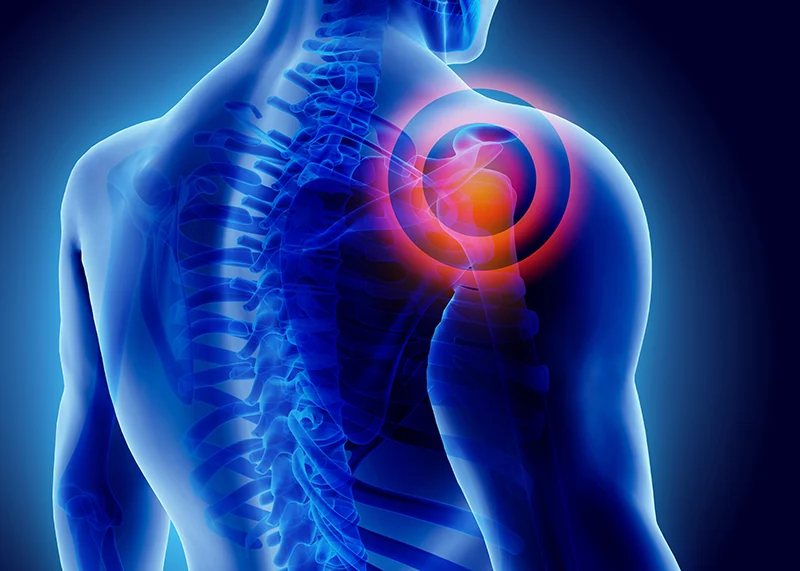
Inflammation has long been a well-known symptom of many infectious diseases, but new molecular and epidemiological research increasingly suggests that it is also intimately linked with a broad range of non-infectious diseases, perhaps even all of them. Inflammation is a response of the immune system to injury, irritation, or infection caused by invading pathogens, radiation exposure, very high or low temperatures, or autoimmune processes. Therefore, inflammation is a mechanism for removing damaged cells, irritants, or pathogens.

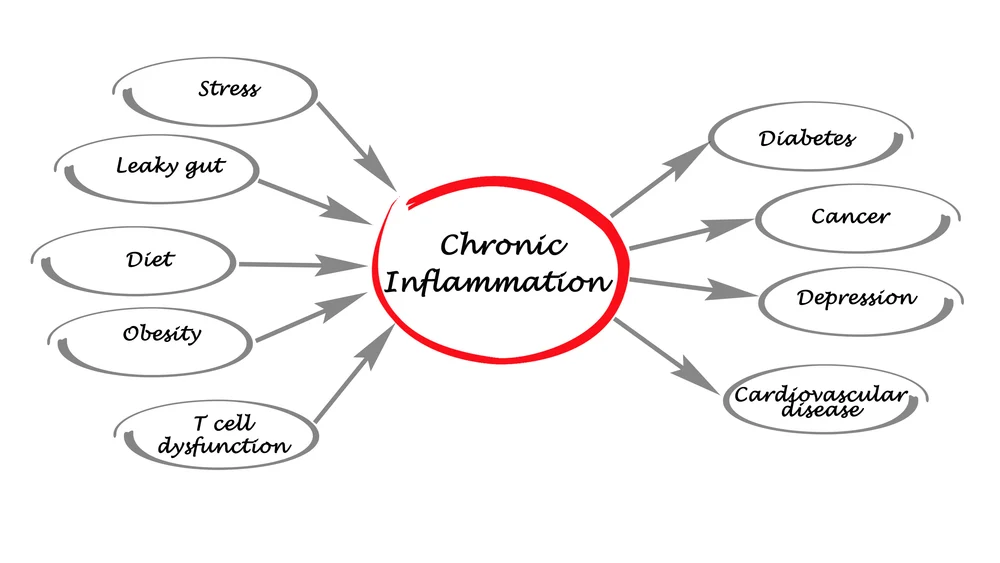
Inflammation is considered to be beneficial when it is short term and under control within the immune system (acute inflammation). Inflammation that persists longer is known as chronic inflammation. This inflammation is characterized by the simultaneous destruction and healing of tissue. Inflammation produces reactive oxygen species and reactive nitrogen species, which cause oxidative damage and further lead to chronic diseases.

All these inflammatory products have shown to be regulated by the nuclear transcription factor NF-κB, which is considered the master molecule of inflammation.

Inflammation point

Suspected Chronic Inflammation Caused Disease States

  • Cancer
  • Coronary and peripheral artery disease
  • Heart failure
  • Asthma
  • High blood pressure
  • Alzheimers
  • Bowel syndromes
  • Lupus
  • Abdominal aortic aneurysms
  • Cerebral aneurysms

Inflammation
/ ? — FAQ

Common questions

Don’t see your question? Reach out and our clinical team will respond personally.

The InStim therapy is designed to get inflammation under control via real time monitoring and real time adjustments to both bioelectric signaling and biologics therapies. The first line of therapy is 100% bioelectric, preferably non-invasive, and only if this is not successful a second wave of biologics therapy via a re-fillable micro infusion pump is included. Biologics therapy may include stem cells, exosomes, PRF, PRP, Micro RNAs, nutrient hydrogel, organ specific matrix, oxygenated nanoparticles and selected alkaloids.

Anti-inflammatory – Protein tristetraprolin (TTP). SOCS1 and SOCS3 in T cell mediated inflammatory diseases. The full interleukin family of cytokines including IL6, IL1, IL4, IL6, IL10, IL11, IL13, IL18, IL33, TGF-B and TNF-A with a special focus on IL6. Anti-inflammatory cytokines and organ regenerative proteins SDF1, SCF, GCSF, IGF1, HGF, EGF, PDGF, VEGF, Follistatin, Tropoelastin, GDF10, GDF11, eNOS, HIF1a, Activin A+B, Neurogenin 3.

Bioelectric signaling sequences that inhibit the production of proinflammatory cytokines such as GM-CSF, IFN- g, and MIP-2.

The same cytokine delivered at the wrong time at the wrong dose can worsen inflammation but if delivered at the right time in the right dose can reduce inflammation. A certain level of inflammation in a certain sequence is essential to healthy healing but chronic inflammation can be a root cause of many diseases including cancer. The primary purpose of real time treatment is to end chronic inflammation.

Precise bioelectric signals can give instructions to the DNA of a cell to build new proteins on demand. Bioelectric signals can also influence functions of cell membrane including membrane potentials and pore openings and closings on demand. See slide show here as a Bioelectric Regeneration Basics Educational Primer – https://app.slidebean.com/p/4n9DBMZKIH/Bioelectric-Organ-Regeneration-

Bioelectric cell properties have been revealed as powerful targets for modulating stem cell function, regenerative response, developmental patterning, and tumor reprograming. Spatio-temporal distributions of endogenous resting potential, ion flows, and electric fields are influenced not only by the genome and external signals but also by their own intrinsic dynamics. Ion channels and electrical synapses (gap junctions) both determine, and are themselves gated by, cellular resting potential. Thus, the origin and progression of bioelectric patterns in multicellular tissues is complex, which hampers the rational control of voltage distributions for biomedical interventions.

There are two methods that work together in unison to determine the correct bioelectrical signaling sequences customized real time to reduce inflammation.

A. Constant real time monitoring of inflammation and constant real time adjustments. Signals chosen to produce anti-inflammatory proteins, such as IL6, IL33, TTP, SOCS1 and SOCS3, based on results and dosing from previous anti-inflammatory cytokine studies dosing stored in our micro-processor. A variety of means are used for constant real time monitoring including bioelectric, light, blood and cytokine level scans.

B. Stored in our microprocessor are the sequences of bioelectric signals and cytokines that were recorded in healthy patients that recover quickly from inflammation causing injuries that do not revert into chronic inflammation. Our real time monitoring and adjustments check itself against the ideal cytokine expressions found in healthy recovery patients via our microprocessor and the InStim proprietary program.

Example – Toddlers recover from brain injuries very quickly and do not fall into chronic neuro inflammation as many older adults do. We have recorded the bioelectric signaling sequences and cytokine expressions that occur in healthy toddler head/brain injury recovery which is stored in our microprocessor database. Our real time monitoring and real time therapy adjustments are constantly checked against this ideal as well as the results of real time observations if inflammation is subsiding or increasing based on constant adjustments.

/ – KNOWLEDGE BASE

Related resources

Want to learn more? Browse our clinical resources and scientific publications on our comprehensive suite of targeted treatments.

Core Patents & Intellectual Property

This group contains the foundational patent filings and primary technology documentation for the InStim bioelectric inflammation management system.

Patent Pending Leonhardt Bioelectric Inflammation Management

The primary international patent filing detailing the InStim system’s approach to bioelectric inflammation control.

View details
InStim Cytokines List

A specialized reference list of anti-inflammatory cytokines targeted and modulated by the InStim technology.

View details

Real-Time & In-Vivo Monitoring Technologies

Scientific studies and technologies focused on non-invasive, real-time monitoring of inflammatory responses and biomarkers.

Real-time Noninvasive Monitoring of In-Vivo Inflammatory Responses

Research using pH ratiometric fluorescence imaging probes to monitor inflammation as it happens in living subjects.

View details
Intravital Endoscopic Technology for Inflammation Monitoring

Real-time monitoring of experimental periodontitis using advanced endoscopic imaging.

View details
Continuous Monitoring of Inflammation Biomarkers (Pilot Study)

A study on microfluidic immunoassay devices for the continuous tracking of biomarkers during simulated medical procedures.

View details
Ultrasonic Monitoring of RBC Aggregation

Real-time ultrasonic monitoring techniques to track blood structure and inflammation during bypass surgery.

View details
Modulation of Early Inflammatory Response in Endotoxemia

Research on how different balanced fluids affect early-stage inflammatory responses in rodent models.

View details

Bioelectric Tissue Simulation & Regenerative Mechanisms

Exploration of physiological signaling and the role of bioelectricity in tissue repair and systemic healing.

Exploring Instructive Physiological Signaling (Simulation Engine)

A study on using bioelectric tissue simulation engines to understand and guide physiological signals.

View details
Nature's Electric Potential: Systematic Review

A comprehensive review of bioelectricity’s role in wound healing and regenerative processes across humans and animals.

View details
Bioelectric Regulation of Innate Immune System Function

Research investigating how bioelectric signals regulate immune functions in both regenerating and intact tissue.

View details
Bioelectric Mechanisms in Regeneration: Future Perspectives

A deep dive into the unique aspects of bioelectric mechanisms and their potential for future regenerative medicine.

View details

Neuromodulation & Vagus Nerve Stimulation

Focused research on using electrical stimulation of nerves, particularly the Vagus nerve, to suppress systemic inflammation.

Anti-inflammatory Effects of Abdominal Vagus Nerve Stimulation

Experimental research on how stimulating the Vagus nerve reduces intestinal inflammation.

View details
Bioelectrical Stimulation for IBD Reduction

A study on the efficacy of bioelectrical pulses in reducing inflammation specifically for Inflammatory Bowel Disease.

View details
Bioelectric Neuromodulation for Gastrointestinal Disorders

An analysis of the effectiveness and mechanisms of neuromodulation in treating digestive health issues.

View details
Vagus Nerve Stimulation Dramatically Reduces Inflammation

An article discussing the significant systemic anti-inflammatory benefits of Vagus nerve stimulation.

View details
IBD Inflammation Controlled by Vagus Nerve Stimulation

Medical news report on the clinical potential for controlling IBD via electrical nerve stimulation.

View details
Can Zapping the Vagus Nerve Jump-Start Immunity?

Scientific American exploration into the use of “electroceuticals” to modulate the immune system.

View details
Vagus Nerve Stimulation vs. Mouse Neuroinflammation

Research showing reduced brain inflammation in mice following Vagus nerve electrical pulses.

View details

Specialized Bioelectric Therapies & Immune Response

Studies on electronic signal treatment, microcurrents, and their effects on specific cell types like macrophages and CD4+ lymphocytes.

Klotho: Link in Rheumatoid Arthritis & Aging

Research on the Klotho protein as a link between physiological aging and arthritis-related immune changes.

View details
TNF and Interferon-gamma Down-regulate Klotho

A study on how inflammatory markers reduce the protective Klotho protein in colitis models.

View details
Twenty-five Years of IL-10 Immunomodulating Studies

A comprehensive look at the therapeutic application of IL-10 from high doses to low-dose paradigms.

View details
Wound Healing by Ultrasound and Microcurrent Therapy

Research on how combined microcurrent and ultrasound therapies modify immune responses to accelerate healing.

View details
Anti-inflammatory Effects of Electronic Signal Treatment (EST)

Evidence supporting the use of specific electronic signals to reduce clinical inflammation.

View details
Electrical Stimulation for Meniscus Repair

Study showing that electrical pulses enhance cell migration and integrative repair in joint cartilage.

View details
Bioelectric Modulation of Macrophage Polarization

Research on how electrical signals can “flip” macrophages from inflammatory to healing states.

View details
Macrophage Response to Electrical Stimulation

Technical study on the cellular response of macrophages to varying electrical fields.

View details
Electroceutical Technology: ICES in Acute Inflammation

A dissertation on the anti-inflammatory effects of inductively coupled electrical stimulation.

View details

Cardiovascular, Neuroprotection & Autoimmune Applications

Research applying bioelectric and growth factor therapies to heart disease, stroke, asthma, and other chronic conditions.

Growth Factor Therapy for Neuroprotection in Cerebrovascular Disease

How growth factor therapy sequesters inflammation to protect the brain during vascular events.

View details
Bioelectrical Signals and Cardiac Function

Research on using bioelectrical signals to modify gene expression and improve heart function.

View details
Electrical Stimulation of the Cerebral Cortex (Stroke Recovery)

Study on the anti-inflammatory and angiogenic effects of cortical stimulation in ischemic stroke models.

View details
Electrical Stimulation Suppresses Microglial Activation

Research showing that electrical signals can protect the eyes by suppressing harmful microglial activation.

View details
Anti-inflammatory Therapies for Cardiovascular Disease

A review of therapeutic approaches to managing inflammation in heart-related conditions.

View details
Therapeutic Potential of Anti-IL-6 in Asthma

Clinical potential for targeting IL-6 to treat chronic airway inflammation.

View details
Inhibition of IL-6 for Inflammatory Disease Treatment

Research on the broad application of IL-6 inhibition in treating various autoimmune disorders.

View details
IL-6: A New Era for Autoimmune Inflammatory Diseases

A chapter detailing the revolutionary impact of IL-6 management in modern medicine.

View details
Interleukin-33 Modulates Inflammation in Endometriosis

Study on how IL-33 serves as a modulator for inflammation in gynecological conditions.

View details

Stem Cell Migration & Growth Factors (SDF-1, IGF-1, HGF)

Scientific papers on the use of specific growth factors and cell-surface engineering to guide stem cells to inflamed areas.

Mesenchymal Stem Cells (MSC) and Anti-diabetic Effects

Study on how MSC therapy attenuates inflammation and improves complications in diabetic models.

View details
Cell Surface Engineering for MSC Migration (SDF-1 Gradient)

Technical paper on enhancing stem cell homing toward SDF-1 signals.

View details
Ultrasound-targeted SDF-1 for Kidney Homing

Research on using microbubbles and SDF-1 to direct stem cells to the kidneys in diabetic nephropathy.

View details
Emerging Strategies for Hematopoietic Stem Cell Engraftment

A review of new methods to improve how stem cells find and settle in their target tissue.

View details
Stem Cell Migration: The SDF-1/CXCR4 Axis

Comprehensive research on the primary chemical pathway that guides stem cell migration.

View details
Insulin-Like Growth Factor-1 (IGF-1) and Neuroinflammation

Study on the role of IGF-1 in managing inflammation within the nervous system.

View details
IGF-1 Reduces Oxidative Stress and Atherosclerosis

Research showing that IGF-1 decreases disease progression by suppressing inflammatory responses in arteries.

View details
Hepatocyte Growth Factor (HGF): A Regulator of Immunity

Analysis of HGF as a key regulator in autoimmune and inflammatory conditions.

View details
HGF Reduces Pulmonary Artery Hypertension Severity

Research on HGF’s ability to attenuate NF-κB signaling to reduce lung inflammation.

View details
Anti-inflammatory Effect of HGF in Chronic Kidney Disease

Targeted study on how HGF helps the vascular endothelium in diseased kidneys.

View details
HGF Mediates Anti-inflammatory Effects of PRP on Tendons

Research explaining how HGF drives the healing power of Platelet-Rich Plasma in tendon injuries.

View details
HGF in Chronic Kidney Disease (Abstract)

Abstract detail on HGF’s therapeutic potential for systemic kidney inflammation.

View details
HGF Suppresses Inflammation and Promotes Corneal Repair

Study on HGF’s efficacy in treating eye-related surface injuries and inflammation.

View details
Epidermal Growth Factor (EGF) in Skin Repair

A look at the EGFR system’s role in balancing skin healing and inflammatory responses.

View details
IL-1 and EGF: Regulating Inflammation and Cancer

Research on the gene expression regulation between inflammation and oncology.

View details
PDGFRβ Signaling and Atherosclerosis

Study on how local signaling regulates artery inflammation and disease progression.

View details

Hypoxia, Activin & Nitric Oxide (Advanced Regulators)

Focused on specialized biological factors that control tissue response to low oxygen and systemic inflammation.

Hypoxia-inducible Factors (HIF) as Inflammation Regulators

Essential research on how cells adapt to low oxygen and how this triggers inflammatory control.

View details
HIF as Key Regulators of Tumor Inflammation

A study on the role of hypoxia factors in the inflammatory environment of tumors.

View details
Activin and Follistatin in Inflammation and Immunity

Analysis of the complex regulation and functions of these proteins in the immune system.

View details
The Role of Activin A and Follistatin in Tissue Repair

Research on how these binding proteins balance tissue repair and inflammation.

View details
Follistatin-Like 1: Mediator of Inflammation in Obesity

A study on Follistatin-Like 1 as a marker and mediator for weight-related inflammation.

View details
Endothelial Nitric Oxide Synthase (eNOS) in Chronic Inflammation

Research exploring the emerging role of nitric oxide in cancer and chronic inflammatory states.

View details
/ – INSIGHTS & PERSPECTIVES

Related posts

Want to learn more? Browse our clinical resources and scientific publications on our latest updates and insights.

CAUTION Disclaimer and Warning: Products described on this web site are in early stage development and are not yet proven safe or effective in statistically significant controlled clinical studies. Any statement or phrases implying efficacy or safety in any form are considered modified by “intended to” or “designed to”. Investigational use only in countries where investigation is permitted by law and proper filings have been made and appropriate regulatory clearances have been granted. Any use of the product(s) must be in an authorized clinical study with institutional review board (ethics committee) approval and proper patient consent procedures followed. For other countries product is only available for laboratory investigation by credentialed institutions and investigators with proper clearances with a research agreement in place with a study sponsor. NOT AVAILABLE FOR SALE.

Breakthrough Innovation

Start with a consultation.

We believe proper inflammation management is served best by bioelectric energy management that controls the release of the right cytokines in the right sequence at the right time for healthy recovery. Join us in advancing this revolutionary platform for better organ health and long-term function.

Book a Consultation