Portfolio venture
Archstim logo

ArchStim™

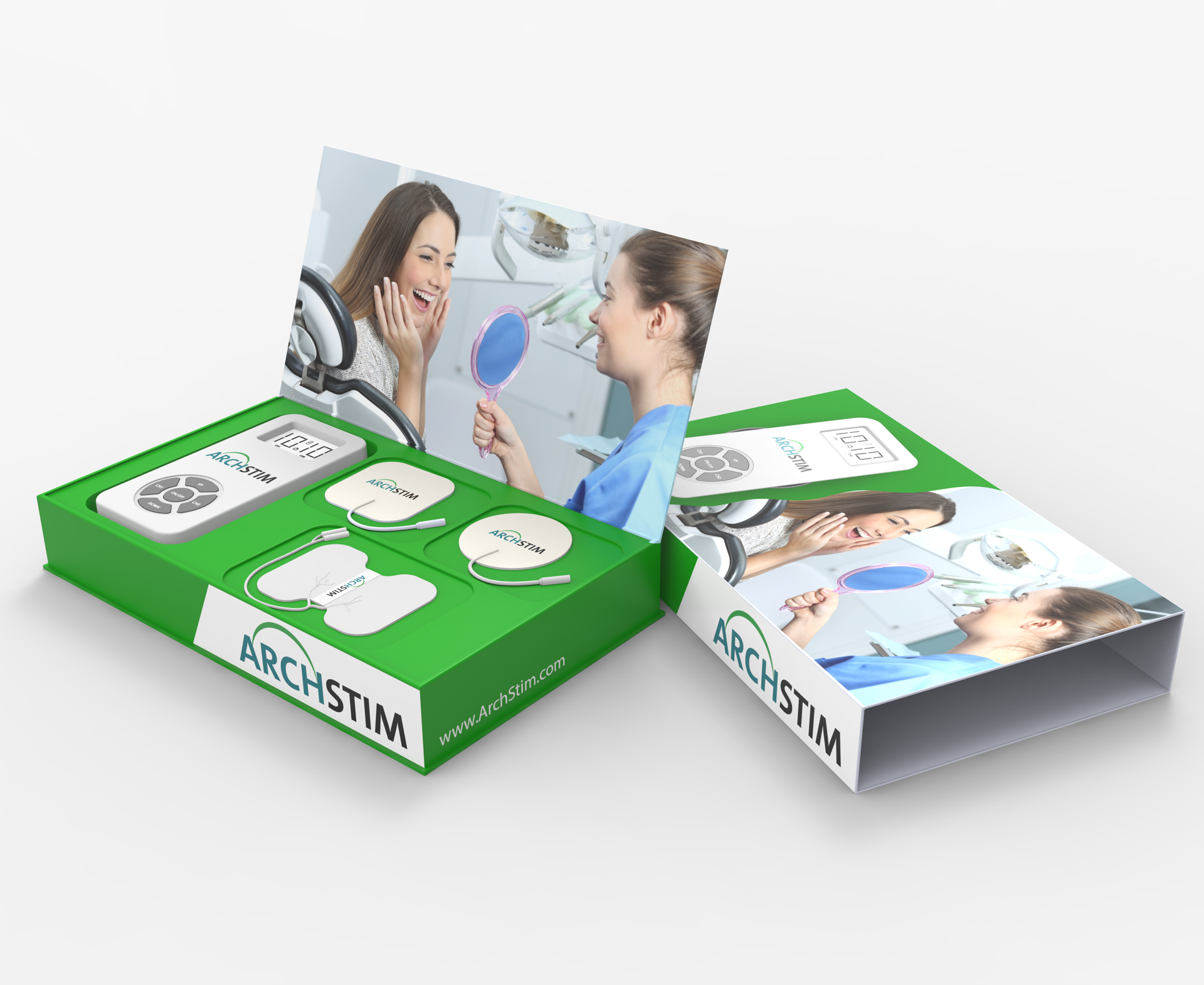
ArchStim™ is a bioelectric dental venture dedicated to accelerating orthodontic results and stabilizing jaw alignment. By harnessing patented signaling sequences to control specific protein expressions, ArchStim™ is designed to reduce arch expansion time by 2/3rds and relapse incidence by 90%.

Contact
Get in touch

(424) 291-2133

1 Kent Court, Mission Viejo, California, United States of America 92694

Open in Maps
/ – THE COMPANY

About this Venture

Discover our background, mission, and the world-class research driving our next-generation medical technology.

Venture Strategy & Compatibility

ArchStim™ bioelectrics are designed to be used with any and all commercially available arch expansion devices. Our venture focuses on providing a universal bioelectric “accelerator” that minimizes the risk of relapse and improves patient outcomes.

  • Intended Results: Reducing arch expansion and reshaping time by 2/3rds.
  • Relapse Prevention: Targeting a 90% reduction in relapse incidence through bone stabilization (OPG and BMP9).
  • Universal Application: Compatible with any mechanical arch expansion device currently on the market.
  • Patient-Centric Design: Choice of non-invasive convenient cheek or internal mouth electrodes.

Clinical Roadmap & Research

ArchStim is implementing or planning to implement soon well-controlled clinical studies to attempt to prove out all the potential applications of use and benefits.

  • Targeted Signaling: Developing and patenting bioelectric signaling sequences addressing up to a dozen specific protein expressions.
  • Scientific Focus: Some sequences target up-regulation, while others target down-regulation or inhibition of certain protein expressions as needed, focused on sound biologics science.
  • Alternative to Surgery: The stimulator helps patients avoid extensive orthodontic work (years of metal braces) and invasive dental procedures like tooth extractions.

Intellectual Property (Patented Protein Control)

The core value of the ArchStim™ venture lies in its patented signaling sequences that control the release of specific biological proteins:

  • RANK-L, VEGF, SDF1, and PDGF: To loosen and accelerate arch expansion.
  • OPG and BMP-9: To harden bone and stabilize the new position after re-alignment is complete.

Market Applications for Validation

ArchStim™ scientists are developing a novel combination bioelectric stimulation therapy focused on high-impact medical and dental needs:

  • Sleep Apnea Therapy: A new approach to prevent and treat obstructive sleep apnea by improving breathing and stabilizing nasal/oral passages.
  • Systemic Health Improvements: Clinical evaluation of relief from TMJ disorder, chronic migraine headaches, neck/back pain, and chronic fatigue.
  • Performance Enhancement: Potential for improved athletic performance and cognitive function through enhanced breathing mechanics.

/ A - Our Team

Our Team

  • Portrait Placeholder

    Howard Leonhardt

    Executive Chairman & CEO

  • Portrait Placeholder

    Tom Newman

    President

  • Portrait Placeholder

    Dr., 

    Leslie Miller

    Chief Medical Officer and Vice President Clinical Affairs

  • Portrait Placeholder

    Dr., 

    Jorge Genovese

    Vice President Bioelectric Regeneration Research

  • Portrait Placeholder

    Larry Stevens

    Chief Regulatory Advisor

  • Portrait Placeholder

    Allen Turner

    Chief Patent Counsel

  • Portrait Placeholder

    Bruce Methven

    Chief Corporate Counsel

  • Portrait Placeholder

    Kim Medina

    Chief Accountant

  • Portrait Placeholder

    Natalie Selbe

    Accounts Payable

  • Portrait Placeholder

    Sean Heyniger

    Senior Advisor Business Development

  • Portrait Placeholder

    Kelsie Leonhardt

    Senior Neuroscientist Advisor

  • Portrait Placeholder

    Lynn Hammerschmidt

    Chief Marketing Advisor

  • Portrait Placeholder

    Dave Boyd

    Senior Graphics Design and Animation Advisor

/ – THE TECHNOLOGY

The Technology behind it

Discover the science and innovation driving our advanced solutions, designed to deliver safe, effective, and transformative results.

What is ArchStim?

ArchStim is a bioelectric stimulator with electrodes with patented signaling sequences for accelerated arch expansion and reducing relapse. The patented technology controls specific biological protein expressions such as RANK-L, VEGF, SDF1 and PDGF for accelerating arch expansion and OPG and BMP-9 for stabilization and reduction of risk of relapse.

  • Designed to be used with any commercially available arch expansion device.
  • Intended to reduce arch expansion and reshaping time by 2/3rds and to reduce relapse incidence by 90%.
  • Choice of non-invasive convenient cheek or internal mouth electrodes.

Archstim

How the ArchStim Bioelectric Stimulator Works

Designed to be Used with Any Commercially Available Arch Expansion Device

The ArchStim Bioelectric Stimulator and Electrode System is a device that harnesses the principles of epigenetic and controlled protein expression orthodontics to gently expand the upper jaw in three dimensions while simultaneously balancing the bite.

Teeth:Expander

Patented Bioelectric Signaling

Patented Bioelectric Signaling:

The patented bioelectric signals cause the mouth and jaw tissues to release proteins such as RANKL, SDF1, PDGF and VEGF that loosen things up for gentle expansion and OPG and BMP9 to stabilized positioning when re-alignment has been completed.

  • RANK-L: for softening bone.
  • OPG and BMP: for hardening bone and stabilization of position after re-alignment.

A Mechanism-Based Approach to Sleep Apnea Therapy

ArchStim is the first technology that combines mechanical expansion forces from leading commercially available arch expansion devices with bioelectric stimulation designed to release specific proteins at the specific right time to improve breathing and fight sleep apnea and to keep improvements stabilized long term.

Woman resting in bed, with hands by her head

A New Approach to Prevent and Treat Sleep Apnea

A New Approach to Prevent and Treat Sleep Apnea:

ArchStim is developing a combination therapy for sleep apnea, a serious condition for which no pharmacy therapies are FDA approved. Snoring, daytime sleepiness, and other short term effects of sleep apnea are well known. More importantly, patients with untreated or unsuccessfully treated sleep apnea have increased risks of potentially life-threatening long-term effects that include hypertension, heart disease, stroke, and type II diabetes.

The current standard of care, CPAP, is not tolerated by many patients or is ineffective. ArchStim scientists have designed a novel combination bioelectric stimulation therapy that may be used with any mechanical therapy device or surgical intervention to improve breathing, focused on sound biologics science.

Patient Benefits & Symptom Relief

With all of these shifts in positioning and the space created by the ArchStim Bioelectric Stimulator, patients may find relief from a number of conditions and symptoms:

  • Obstructive Sleep Apnea: Nasal passages may be more open, providing relief without an invasive CPAP appliance. Patients receive enough oxygen at night, helping them feel well-rested and restoring overall health.
  • Temporomandibular Joint Disorder (TMJ): Shifts the jaw into proper alignment and provides enough space in the mouth for optimal function, finding relief from TMJ symptoms.
  • Jaw Discomfort: Designed to cause a shift of the lower jaw forward to properly align the upper and lower jaw, intended to eliminate the uncomfortable feeling that the bite is off or pain associated with a misaligned jaw.
  • Migraine Headaches: May enable people to no longer clench their jaw or grind their teeth.
  • Allergies: Enlarged nasal passages and sinuses may be better able to drain properly and clear allergenic particles.
  • Systemic Relief: Relief from neck and back pain, and chronic fatigue.
  • Performance & Cognition: Improvements in concentration, brain cognitive performance, athletic performance, and sexual performance due to improved breathing.

Important Patient Information

Note: ArchStim™ is implementing or planning to implement soon well-controlled clinical studies to attempt to prove out all the above potential applications of use and benefits. Importantly, the ArchStim Bioelectric Stimulator also helps patients avoid extensive orthodontic work, such as years of metal braces or uncomfortable palate expanders, as well as dental procedures such as tooth extractions to free up space in the mouth.

/ ? — FAQ

Common questions

Don’t see your question? Reach out and our clinical team will respond personally.

The number of children diagnosed with Attention Deficit Hyperactivity Disorder (ADHD) has been steadily increasing over the past decade. Yet according to a recent study, many children diagnosed with this condition don’t really have it; their behavioral problems are actually related to sleep-related breathing disorders (SRBD), such as sleep apnea.

The 2012 study, published in the journal Pediatrics, followed more than 11,000 children for six years, starting when they were 6 months old. The children who had SRBD were 40 percent to 100 percent more likely than kids without breathing issues to develop behavioral problems resembling ADHD by the age of 7. So if your child is exhibiting ADHD-like symptoms — or has even been diagnosed with ADHD — it’s worth considering whether interrupted sleep might be an issue.

It makes perfect sense when you think about it: A well-rested individual, young or old, can function a lot better on a good night’s sleep. Yet a lack of sleep affects adults and children differently. While sleepy adults tend to act sluggish and drowsy, sleep-deprived kids are more likely to become hyperactive, uncooperative and unable to focus — just like kids with ADHD.

The condition is characterized by recurrent episodes of interrupted breathing during sleep. The child’s airway becomes blocked by soft tissues near the back of the throat — tonsils or the tongue, for example — that partially close off the windpipe. These tissues can vibrate as air passes by, causing snoring. It’s often worse while sleeping on one’s back because this encourages the lower jaw to slip back, which in turn pushes the tongue in front of the airway.

Overweight children have a higher incidence of sleep apnea due to fatty tissue deposits in the soft palate, which decrease the size of the child’s airway.

Does your child have a sleep-related breathing disorder? You can gather clues to report to your health professional by observing your child sleeping. Look for the following signs:

  • Snoring
  • Pauses in breathing
  • Chronic mouth breathing
  • Constant tossing and turning
  • Night panics
  • Bed-wetting

There are various treatments that can be very effective, depending on the cause. Enlarged tonsils and adenoids can be surgically removed. A therapy known as Continuous Positive Airway Pressure (CPAP) involves the use of a machine that delivers mild air pressure through a mask worn during sleep to keep the airway open.

How palatal expanders work.

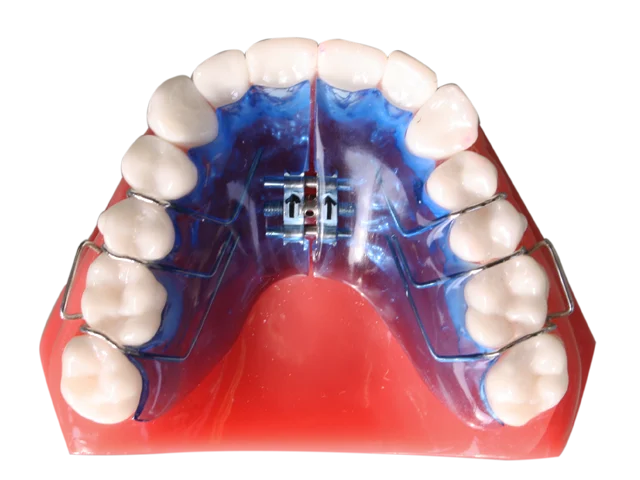
Dentistry also can also play a role in treatment. For younger children who are still growing, the use of an orthodontic appliance called a palatal expander has proven helpful in some cases. A palatal expander gently widens the roof of the mouth (palate) over time by separating bones that don’t permanently fuse together until puberty. It’s most often used to create more room for crowded teeth, but the expansion can also increase airflow.

Older children who have stopped growing can sometimes benefit from Oral Appliance Therapy (OAT). This involves wearing a custom-made oral appliance designed to reposition the jaw during sleep so that the tongue is held away from the back of the throat, reducing the potential for obstruction.

The first step is to figure out what’s keeping your child from getting the restful sleep that’s so crucial to good health and well-being. So if you have any questions about sleep apnea, please contact our office or schedule an appointment for a consultation. We can start the process that will determine the best treatment for your child.

A major benefit of receiving orthodontic treatment in childhood is that it’s possible to take full advantage of a youngster’s own natural growth process to treat or even prevent malocclusions (“bad bites”). A palatal expander is a device designed to help us do that.

Palatal expanders create more space in a child’s mouth by gradually widening the upper jaw. Although this may sound scary, it’s really quite easy — both to do and to tolerate. That’s because the upper jaw actually develops as two separate halves that don’t completely fuse together until sometime after puberty. Before that happens, the two bones can gently be separated and stabilized over a period of several months.

The three situations that most commonly call for maxillary expansion are:

Crossbite — When a child’s upper jaw is too narrow to fit correctly with the lower jaw, the back top teeth will bite inside of the lower teeth instead of outside. This can be corrected by expanding the upper jaw.

Crowding — Even before all of a child’s permanent (adult) teeth come in, we can tell when there will not be enough room to accommodate them. Widening the upper jaw can create the necessary space without the need for tooth extractions.

Impacted Teeth — When a tooth that hasn’t come in (erupted) yet and is blocked by other teeth, widening the upper jaw can allow it to erupt into proper position on its own. This most often happens with canine or eye teeth — the pointier ones located directly under the eyes.

Expanding the upper jaw has other benefits: It can broaden the smile in an aesthetically pleasing way, it can limit the number of teeth that need to be removed to create space and can also improve breathing. And it can shorten overall orthodontic treatment time (the amount of time your child will need to wear braces).

An expander is custom-made for each individual and fits over several top teeth in the back of the mouth. The appliance has two halves that are connected in the middle with a screw. To activate the device, you simply turn the screw a very small amount each day with a special key. This induces tension at the junction of the two palatal bones, causing them to gradually move apart. Once the desired expansion is achieved, we will leave the appliance in for a few more months to allow new bone to form in the gap and stabilize the expansion. Generally, expanders are worn for 3-6 months altogether.

There can be some soreness or a feeling of pressure for a few minutes after the key is turned, but activating an expander actually causes less discomfort than having braces tightened. Your child may find that speaking and eating feels different at first as the tongue adjusts to the presence of the appliance. It is also completely normal to see a gap develop between the front teeth. This shows that the expander is having the desired effect. When all is said and done, your child’s permanent teeth will be beautifully aligned with neither too much nor too little space between them.

Expanders are uniquely made for each patient based on their dental arch and palate size. The devices come in fixed and removable forms. Common types of expanders include:

Rapid Palatal Expander (RPE)

The rapid palatal expander can correct narrow palates, crowding, and crossbites. The appliance fits over a few back teeth in the upper jaw with a screw in the middle. To activate an RPE, you turn the screw a small amount each day with a special key to create tension between the two palatal bones.

The goal is to widen the maxilla (upper jaw), expand the dental arch, and move the teeth within the bone. Over time, the two palatal bones move apart and the jaw widens. Most orthodontists also leave the appliance in for a few months after the desired expansion is achieved to allow new bone to form. In most cases, palate expansion treatment takes 3 to 6 months.

RPEs can widen the upper jaw at a rate of 0.5mm per day. Slow palate expansion can also be achieved by widening the upper jaw at a rate of 0.2mm per week.

Removable Palatal Expander

An orthodontist typically indicates a removable expander when a patient only needs minor jaw widening. These appliances are similar in appearance to acrylic retainers, except they are chrome.

Implant-Supported Expansion

Mature adolescents typically require implant-supported expanders. Once the jaw is almost fully developed, heavier forces are necessary to successfully widen the jaw and palate. This expansion treatment consists of four mini-implants that apply force directly to the maxillary bone, instead of the teeth.

Surgically Assisted Palatal Expansion

Once a person reaches full maturity (puberty), they typically have a fully developed jaw. Although, some jaws do not fully mature until age 21 to 25. If this is the case, an orthodontist must surgically insert an expander into the mid-palatal suture (palate bone).

The three most common circumstances that typically indicate the need for maxillary expansion include:

Impacted Teeth

When a tooth is stuck under the gums and blocked by other teeth, it is an impacted tooth. Dentists recommend extractions to reduce the chance of disease and jaw misalignment. Palate expanders can help widen the jaw and allow for the proper eruption of permanent teeth.

Crossbites
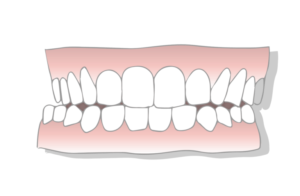
A crossbite is when the upper and lower teeth do not align correctly when biting down. Crossbites occur when some bottom teeth are located outside the upper teeth when the two jaws are closed.

This type of malocclusion can sometimes be corrected with palate expansion treatment.

Crowded Teeth
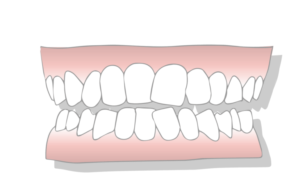
Over-retained teeth refer to baby teeth that have loosened but then tighten back into the gums, preventing the eruption of permanent teeth.

If the primary teeth are not extracted, dental crowding develops, which is a condition that occurs when there is not enough space for teeth to grow in.

Palate expanders eliminate the need for extractions and create space for permanent teeth to grow in.

Before your child’s adult teeth grow in, an orthodontist can check to see how much room is available in his or her mouth. If the jaw seems too narrow, palate expansion may be necessary to prevent dental crowding as the permanent teeth grow in.

Improved Breathing

Maxillary expansion can also improve breathing ability, which helps prevent mouth-breathing and dry mouth (xerostomia). Maxillary expansion also treats Class III orthodontic problems. Class III problems are primarily genetic and may include:

  • If the lower teeth and jaw are positioned in front of their upper teeth and jaw (underbite).
  • If the lower jaw appears to be unusually large. Although, the lack of upper jaw development is usually the actual cause of this abnormality.

Palate expanders also treat maxillary transverse deficiency. Patients with this condition usually have a narrow palate and posterior crossbite. Other indications of maxillary transverse deficiency include:

  • Paranasal Hollowing — when the bones of the upper jaw are underdeveloped, the lower jaw excessively protrudes forward.
  • Narrow Nasal Base — instead of having wide nostrils, a person with maxillary transverse deficiency may have unusually narrow or thin nostrils.
  • Deepened Nasolabial Folds — indentations that extend from the nose to the outer corners of the mouth. The indentations, or lines, are more noticeable when smiling.
  • Hypoplastic Zygoma — a person with hypoplastic zygoma has underdeveloped and flattened cheekbones.
  • Narrow Tapering Maxillary Arch — an extremely narrow palate (v-shaped).

Indicators for Palate Expansion

Palate expansion can be completed before the end of an adolescent’s growth spurt. Expansion techniques vary depending on the patient’s age. For example, treatment is different for adolescents in the primary dentition phase (baby teeth), early mixed dentition phase (mix of baby teeth and permanent teeth), and early permanent dentition phase (all permanent teeth).

Young Children

Treatment is most effective when the patient’s jaw is still growing. As baby teeth fall out, permanent teeth start to erupt around the same time (age 6). When the mouth consists of some primary teeth and permanent teeth, it is called the “mixed dentition phase.” If a child has a crossbite or crowded teeth during this phase, palate expansion may be necessary.

Children & Pre-Teens

As a child reaches the late mixed dentition phase, which is when there are more permanent teeth in the dental arch than primary teeth, palatal expansion is more difficult. During this phase, the jaw isn’t growing as quickly. It is typically necessary to wait until the first premolars erupt to begin expansion treatment.

Teenagers and Older

As an adolescent’s growth spurt ends, palatal expansion may not be possible because the jaw is almost fully developed. Implant-supported or surgically assisted palatal expansion is typically the only treatment option at this stage because heavier force is needed to expand the jaw. Expansion is more likely to be successful in young children rather than those who have reached mid or late adolescence.


/ – KNOWLEDGE BASE

Related resources

Want to learn more? Browse our clinical resources and scientific publications on our comprehensive suite of targeted treatments.

Core Technology & Bone Science

Scientific research exploring the biological mechanisms of bone growth and protein expression during arch expansion.

Bone Formation Study

Research on how direct electrical current stimulates bone formation in expanded sutures.

View details
Protein Up-regulation

Analysis of biological processes and protein expression triggered during maxillary expansion treatments.

View details
TGF-beta 1 Stimulation

Scientific abstract on bone formation stimulation in the mid-palatal suture via growth factors.

View details

Sleep & Stability

Clinical insights into the relationship between dental arch stability, airway health, and sleep disorder treatment.

Sleep Disorders & Dentistry

Exploring the vital connection between dental structure, airway health, and sleep disorder relief.

View details
Neuromuscular Stability

A detailed report on the neuromuscular environment and the long-term stability of arch expansion.

View details
Arch Expansion Techniques

Professional slideshare presentation detailing fixed appliance techniques for effective arch expansion.

View details

Patient Education & Orthodontics

Essential resources for patients to understand the benefits of early orthodontic evaluation and palatal expanders.

Palatal Expanders Guide

Comprehensive patient guide on the function and benefits of using palatal expansion devices.

View details
Early Orthodontic Evaluation

Understanding the importance of early evaluation for optimal long-term dental and airway health.

View details
The Magic of Orthodontics

Insights into how modern orthodontic treatments transform smiles and improve overall facial symmetry.

View details

Regulatory Note: Bioelectric stimulators are FDA 510K cleared only for improving circulation, inflammatory pain relief and improving muscle motion. ArchStim is gathering pre-clinical and clinical data with intent to apply to the FDA to expand cleared indications of use.

The Future of Bioelectric Dentistry

Start with a consultation.

Whether you are a patient seeking faster, more stable results without years of braces, or a clinician looking to offer the latest in epigenetic dental technology, ArchStim™ is the solution. Join us in the future of bioelectric dentistry.

Book a Consultation