Portfolio venture
Spinestim logo

SpineStim

SpineStim is dedicated to pioneering the future of spinal cord recovery through advanced bioelectric technology. Our mission is to restore mobility and quality of life by bridging the gap between neurological damage and functional movement.

Contact
Get in touch

(424) 291-2133

613 Iris Avenue, Corona Del Mar, California, United States of America 92625

Open in Maps
/ – THE COMPANY

About this Venture

Discover our background, mission, and the world-class research driving our next-generation medical technology.

The Mission: Spinal Cord Injury Recovery & Regeneration

Spinal Cord Injury Recovery modulate inflammation and regenerate damaged muscle and nerves. SpineStim’s Spinal Cord Stimulator systems are designed to not only treat chronic pain like competitive systems but also to recruit stem cells to damaged nerves, modulate inflammation and regenerate damaged muscle and nerves.

SpinStim is focused on developing bioelectric stimulation and biologics products to help spinal cord injury patients recover. Almost 18,000 Americans experience traumatic spinal cord injuries every year. Many of these people are unable to use their hands and arms and can’t do everyday tasks such as eating, grooming or drinking water without help. Using physical therapy combined with a noninvasive method of stimulating nerve cells in the spinal cord may help these patients regain hand and arm movements.

/ A - Our Team

Our Team

  • Portrait Placeholder

    Howard Leonhardt

    Executive Chairman & CEO

  • Portrait Placeholder

    Dr., 

    Leslie Miller

    Chief Medical Officer

  • Portrait Placeholder

    Dr., 

    Jorge Genovese

    Vice President Bioelectric Regeneration Research

  • Portrait Placeholder

    Kelsie Leonhardt

    Chief Neuroscientist

  • Portrait Placeholder

    Brian Hardy

    Director of Marketing

  • Portrait Placeholder

    Abby Seiger

    Research Assistant

  • Portrait Placeholder

    Rebecca Avilla

    Office Manager

/ – THE TECHNOLOGY

The Technology behind it

Discover the science and innovation driving our advanced solutions, designed to deliver safe, effective, and transformative results.

Advanced Bioelectric Signaling & Protein Control

SpineStim attempts to do this through patented and patent pending precise bioelectric signaling sequences designed to control specific protein expressions such as…

  • SDF1 and PDGF for stem cell homing.
  • Klotho, Follistatin and LIM Muscle for muscle regeneration.
  • IGF1, Sonic Hedgehog and LIM for nerve regeneration.
  • Customized anti-inflammatory cytokines.

Signal

How Electrical Stimulation for Spinal Cord Injury Works

The spinal cord relays messages between the brain and body. After a spinal cord injury, messages may be unable to get past the site of injury, which can cause paralysis. The nerves below the level of injury are not damaged. They just can’t receive messages from the brain and become inactive.

Electrical stimulation mimics brain signals to re-activate the nerves below one’s level of injury. This can be done by stimulating:

  1. The spinal cord below the injury site, or
  2. The peripheral nerves that branch off the spinal cord.

Electrical stimulation for Spinal Cord Injury: How to Activate Movement Below Your Level of Injury. Electrical stimulation is one of the most promising spinal cord injury treatments available.

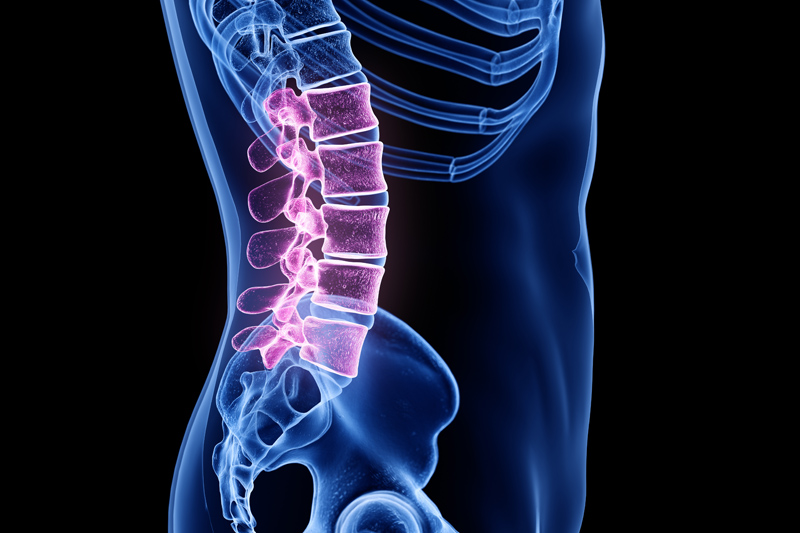
Spine pain

Non-Invasive Options & Functional Electrical Stimulation (FES)

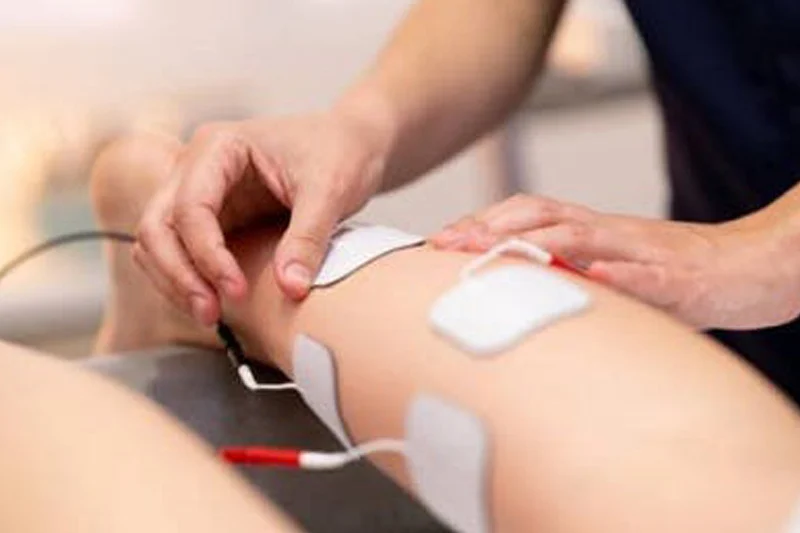
Functional electrical stimulation (FES) is a non-invasive treatment option. Individuals simply place the electrodes on the surface of the skin and control the electric emissions on a device. Several treatment interventions involve electrical stimulation. Some are more developed than others, but they all show significant potential to improve one’s quality of life after spinal cord injury.

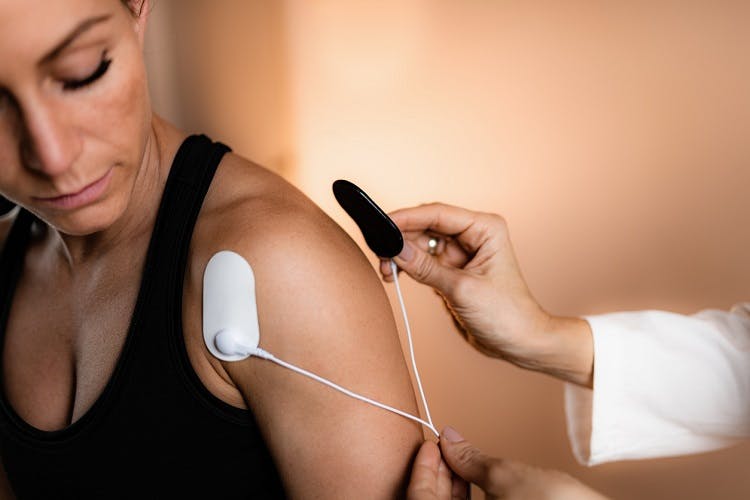
Pads
Using electrical stimulation for spinal cord injury recovery

Potential Benefits of Electrical Stimulation

Potential benefits of electrical stimulation for spinal cord injury include:

  • Reduced pain (While electrical stimulation won’t get rid of the source of pain, it can change the way your brain reacts to pain.)
  • Improved bowel and bladder control
  • Stabilized blood pressure
  • Enhanced movement patterns
  • Reversibility (implants can be removed and treatment can be stopped at any time)
  • Availability of non-invasive options (i.e. FES and TENS)

Nurse helping an elderly man in a wheelchair
/ ? — FAQ

Common questions

Don’t see your question? Reach out and our clinical team will respond personally.

SpineStim is precise bioelectric signaling sequences to control specific regeneration promoting protein expressions such as SDF1 and PDGF for stem cell homing and IGF1, LIM, Nerve Growth Factor, GDF10, GDF11 and Sonic Hedgehog for nerve regeneration.

SpineStim Plus Biologics is the combination of a bioelectric stimulator for controlling regeneration promoting protein expressions with an implantable and re-fillable micro infusion pump which is re-filled daily with 1 to 2mls of the proprietary SS-15 spinal cord regeneration composition comprised of hypoxia pre-treated stem cells, Wharton’s Jelly, secretome from amniotic sourcing, bioelectric pre-treated PRF, nutrient hydrogel, selected exosomes, selected growth factors, micro RNA gel, tetraharmine and other selected alkaloids, regenerative nanoparticles and matrix.

The SpineStim stimulators made for SpineStim by Metter Electronics of Anaheim, California have FDA 510K market clearance only for improving blood circulation, improving muscle motion and pain relief. They are not approved yet for spinal cord regeneration.

The spinal cord relays messages between the brain and body.

After a spinal cord injury, messages may be unable to get past the site of injury, which can cause paralysis.

The nerves below the level of injury are not damaged. They just can’t receive messages from the brain and become inactive.

Electrical stimulation mimics brain signals to re-activate the nerves below one’s level of injury.

This can be done by stimulating:

1) the spinal cord below the injury site, or

2) the peripheral nerves that branch off the spinal cord.

Now that you understand how electrical stimulation works, let’s go over the various ways it can be applied.

Several treatment interventions involve electrical stimulation.

Some are more developed than others, but they all show significant potential to improve one’s quality of life after spinal cord injury.

In the following sections, we’ll go over 5 different ways spinal cord injury patients can utilize electrical stimulation.

1. Epidural Stimulation

Epidural stimulation is an invasive type of electrical stimulation that can significantly improve mobility after spinal cord injury. By implanting a stimulator and 16-electrode array to the spinal column, electrical currents can excite motor neurons below the level of injury to promote movement.

Clincial trials have demonstrated that even individuals with complete spinal cord injuries may be able to recover over-ground walking by using a combination of epidural stimulation and intensive gait training.
Additionally, epidural stimulation can help activate spinal cord circuits that can improve bowel and bladder control and stabilize blood pressure.

2. Functional Electrical Stimulation (FES)

Patient using functional electrical stimulation for spinal cord injury recovery.

Functional electrical stimulation is a non-invasive treatment option. Individuals simply place the electrodes on the surface of the skin and control the electric emissions on a device.

While epidural stimulation applies electric currents directly to the spinal cord, FES applies them to the peripheral nerves that stimulate muscle contractions.

During FES, the patient must also perform a task using the stimulated muscles.
By directly activating muscle contractions, FES can help improve circulation, range of motion, and muscle strength.

3. Transcutaneous Electrical Nerve Stimulation (TENS)

Another non-invasive form of electrical stimulation for spinal cord injury patients is transcutaneous electrical nerve stimulation.
It involves placing electrodes on the skin to stimulate sensory nerves.
TENS focuses on relieving pain after spinal cord injury, not movement.
It works by blocking pain signals and stimulating the production of endorphins.

4. Intraspinal Microstimulation (ISMS)

Another electrical stimulation treatment for SCI is intraspinal microstimulation.
Intraspinal microstimulation involves implanting thin, flexible electrode wires into the lumbar region of the spinal cord. This allows for more selective muscle activation.

The hair-like wires have to be placed inside the gray matter of the spinal cord, which sends electric currents directly to the motor pools responsible for controlling movement.

Because of the increased precision in stimulating the spinal circuits, ISMS should hypothetically lead to more stable functional outcomes.

5. Brain-Computer Interface

The last treatment that uses electrical stimulation for spinal cord injury is brain-computer interface.

This process goes by many different names including brain-machine interface, brain-controlled interface, neural-control interface, and mind-machine interface; however, they all refer to the same process.

Brain-computer interface involves placing electrodes near the primary motor cortex of the brain to monitor the intent to move.
The electrodes then stimulate electrical currents to restore functional activity in paralyzed limbs.

Just by thinking about walking, people can control the electrical stimulation that enables movement of the legs.

Although the idea is still in earlier stages of research and needs further development, brain-computer interface appears to be a promising treatment for SCI patients with lower-body paralysis (paraplegia).
The video below shows a patient with paraplegia achieving over-ground walking during a non-invasive brain-controlled interface trial.


Now that you understand what types of electrical stimulation can help promote recovery after spinal cord injury, let’s recap the risks and benefits of electrical stimulation.

Potential benefits of electrical stimulation for spinal cord injury include:

  • Reduced pain (While electrical stimulation won’t get rid of the source of pain, it can change the way your brain reacts to pain.)
  • Improved bowel and bladder control
  • Stabilized blood pressure
  • Enhanced movement patterns
  • Reversibility (implants can be removed and treatment can be stopped at any time)
  • Availability of non-invasive options (i.e. FES and TENS)

In contrast, some weaknesses of electrical stimulation include:

  • High costs (The average cost of treatment per patient ranges from $19,246-$47,190.)
  • Device complications (Lead migration and breakage appear to be the most common device-related issues.)
  • Invasiveness (Patients should assume the general risks involved with any surgical procedure like infections or bleeding.)
  • Discomfort (from the stimulator itself or the electric currents it emits)
  • Lack of guarantees (Although promising, the mechanisms behind electrical stimulation have yet to be fully understood. Not everyone will experience the same results.)

Depending on each individual’s needs after spinal cord injury, some electrical stimulation options may be more ideal than others.

It’s clear that electrical stimulation can play a significant role in the future of spinal cord injury recovery.

However, spinal cord injury rehabilitation requires more than electrical stimulation. The only way to relearn how to move is to physically train the body to recognize movement patterns.

The more an individual practices a movement, the better the spinal cord will get at recognizing a demand for that function.
Through the spinal cord’s ability to rewire itself (neuroplasticity), weakened functions can be strengthened and improved.

Repetition is key, but epidural stimulation can provide the extra boost necessary to jumpstart movement.

Source: Click Here

/ – KNOWLEDGE BASE

Related resources

Want to learn more? Browse our clinical resources and scientific publications on our comprehensive suite of targeted treatments.

Clinical Applications & Patient Recovery

This group focuses on practical treatment methods, non-invasive options, and the integration of electrical stimulation with other therapies to restore movement and muscle health.

Electrical Stimulation for Spinal Cord Injury: Activating Movement

This comprehensive guide explores how electrical stimulation serves as a promising treatment to re-activate paralyzed muscles below the level of injury by mimicking brain signals.

View details
How Electrical Stimulation Helps Spinal Cord Injury Recovery

An educational breakdown of the physiological process by which electrical pulses promote recovery, focusing on the activation of nerves in the epidural space.

View details
TEREX-SCI: Testosterone and Electrically Evoked Resistance Training

A randomized clinical trial analyzing the synergistic effects of combining testosterone therapy with electrical resistance training to prevent muscle atrophy in spinal cord injury patients.

View details
Innovative Treatments: Stem Cells and Robotic Exoskeletons

An exploration of the “New Horizon” in recovery, combining robotic assistance with advanced stem cell-based therapies to promote functional regeneration of the spinal cord.

View details

Molecular Mechanisms & Bioelectronic Research

These resources delve into the technical and biological side of regeneration, focusing on axonal repair, molecular targets, and bioelectronic technology.

Electrical Stimulation for Axonal Regeneration and Remyelination

Technical research using a rat model to demonstrate how electrical stimulation applied to conductive scaffolds can physically promote the regrowth of nerve axons and the repair of protective myelin sheaths.

View details
Bioelectronic Medicine Summit: Technology Targeting Molecular Mechanisms

A collection of scientific abstracts from the Fourth Bioelectronic Medicine Summit, highlighting cutting-edge technologies designed to target specific molecular pathways for healing.

View details
The Science of Spinal Cord Regeneration

A high-level academic overview of the biological requirements for spinal cord regeneration, including the roles of the extracellular matrix and cellular signaling.

View details
Recovery from Nerve Crush: Electrical Stimulation and Testosterone

Scientific research investigating how the combination of electrical impulses and hormonal therapy can accelerate the functional recovery of crushed laryngeal nerves.

View details

Caution: Investigational stage of development only. Not yet proven either safe or effective. Early stage development.

Get Started with SpineStim

Start with a consultation.

Take the first step towards better results in less time. Whether you are an individual looking to boost your workouts or a trainer wanting to offer the latest technology to your clients, our team is here to help you get started with SpineStim.

Book a Consultation