Portfolio venture
Bladdercell Logo

BladderCell

BladderCell is a bioelectronic medicine company focused on bladder and urothelial regeneration. Using patented bioelectric signaling and advanced biologics, it aims to restore bladder function, improve muscle elasticity, and eliminate urinary incontinence without the need for invasive major surgery.

Contact
Get in touch

(424) 291-2133

12130 Millennium Dr, Los Angeles, California, United States of America 90094

Open in Maps
/ – THE COMPANY

About this Venture

Discover our background, mission, and the world-class research driving our next-generation medical technology.

Strategic Technology & Candidate Therapy Overview

Treating incontinence via bladder regeneration. The BladderCell technology platform is the only one known with these patented or patent pending bioelectric signaling sequences. The original patent pending BladderCell device design has these primary components to its candidate therapy:

  1. Bioelectric signal sequences for recruiting (via SDF1 and PDGF), proliferating and differentiating stem cells into bladder muscle.
  2. Bioelectric signal sequences communicating with the nervous system for neuromodulation control of bladder.
  3. Bioelectric signals for controlling release of follistatin, tropoelastin, EGF, HGF and other proteins for regenerating bladder function.
  4. Micro infusion pump for repeat deliveries of BC-15 bladder regeneration composition.
  5. Fifteen component BC-15 bladder regeneration composition comprised of muscle stem cells, growth factors, exosomes, micro RNA gel, PRF, amniotic fluid, selected alkaloids, nutrient hydrogel, follistatin, SDF1, oxygenated nanoparticles and bladder matrix.

MicroImplant Stimulator & Protein Expressions

MicroImplant Stimulator for Improving Bladder Function via Bioelectric Controlled Protein Expressions. Only stimulator to control these protein expressions for these purposes:

  • SDF1 and PDGF for stem cell homing.
  • Klotho, IGF1, Follistatin, LIM Muscle S100a for muscle regeneration.
  • Sonic hedgehog, LIM muscle, IGF1 for nerve connection regeneration.
  • Full suite of signals for inflammation reduction including klotho.
  • Tropoelastin for increasing elasticity.
  • COL17A1 for rebuilding tissues.
  • VEGF, HIFa, PDGF, EGF, HGF, SDF1, eNOs for new mature blood vessel formation.

Clinical Rationale

BladderCell via a combination of patented bioelectric signaling sequences to control regenerative protein expressions is harnessing natural healing regenerative processes in developing combination devices and methods for voiding dysfunction, including decompensated bladder and overactive bladder.

The properly functioning urinary bladder is composed of a compliant muscular wall, effective neuromuscular connections, and a highly specialized urothelial layer. In dysfunction often all these key contributors to healthy normal bladder function are compromised in a deteriorated state. BladderCell is the only known therapy under development attempting to target ALL.

Women’s Health Market & Recognition

OF THE 25 MILLION ADULT AMERICANS SUFFERING FROM SOME FORM OF URINARY INCONTINENCE, 75-80% OF THOSE ARE WOMEN.

  • Urinary Incontinence affects 200 million people worldwide.
  • One in four women over the age of 18 experience episodes of leaking urine involuntarily.
  • On average, women wait 6.5 years from the first time they experience symptoms until they obtain a diagnosis.
  • Between the ages of 18 and 44, approximately 24% of women experience incontinence. For women over age 60, approximately 23% deal with incontinence.

/ – THE TECHNOLOGY

The Technology behind it

Discover the science and innovation driving our advanced solutions, designed to deliver safe, effective, and transformative results.

BladderCell Solutions: Three (3) Platforms for Bladder Regeneration

BladderCell is the only firm working on developing treatments for all levels of bladder dysfunction—from mild leaks to severe chronic conditions. Our technology combines patented bioelectric signaling with regenerative biologics. BladderCell is developing three (3) platforms for treating incontinence via bladder regeneration.

  1. Non-invasive stimulation
  2. Minimally invasive stimulation
  3. Minimally invasive stimulation combined with re-fillable micro infusion pump and BC-15 fifteen component bladder regeneration composition.

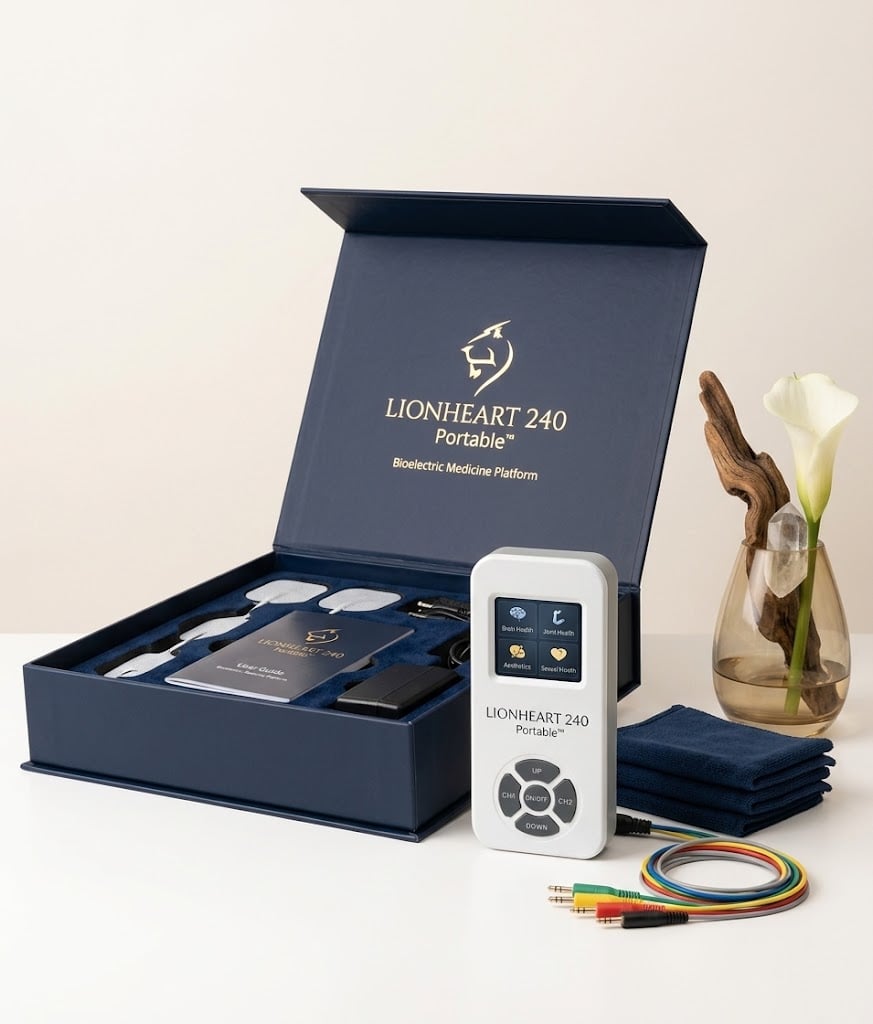
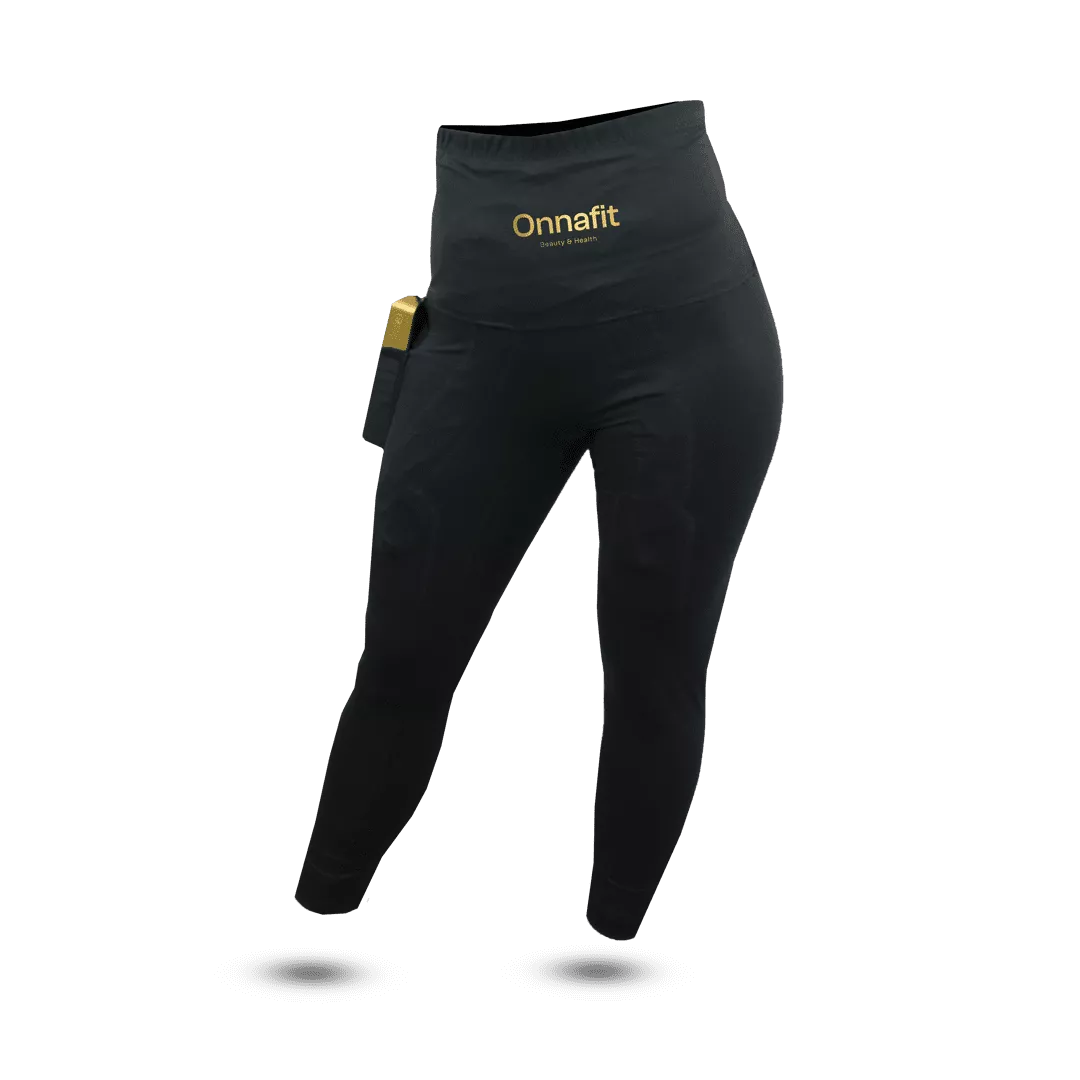
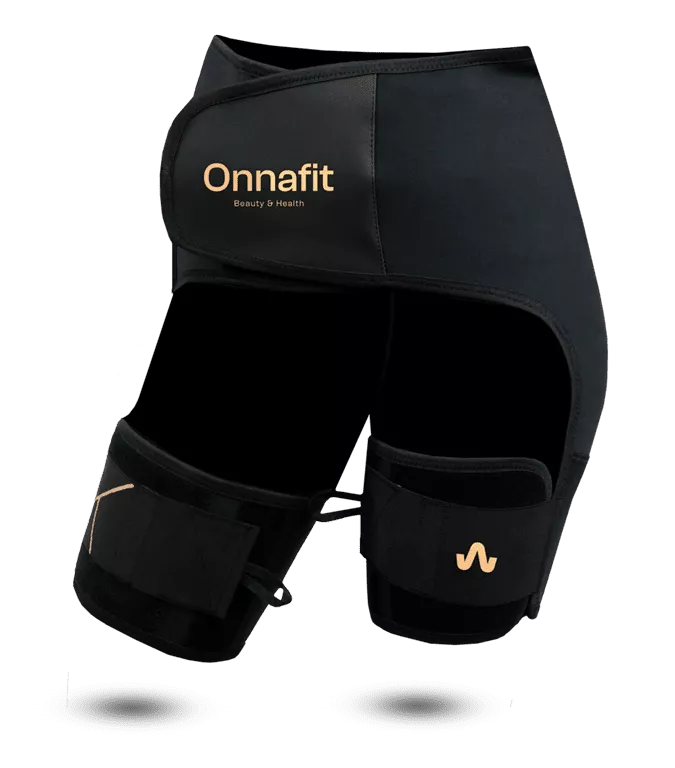
1. BladderCell I MILD – Non-Invasive Wearable Stimulator

For mild to moderate cases of bladder dysfunction.
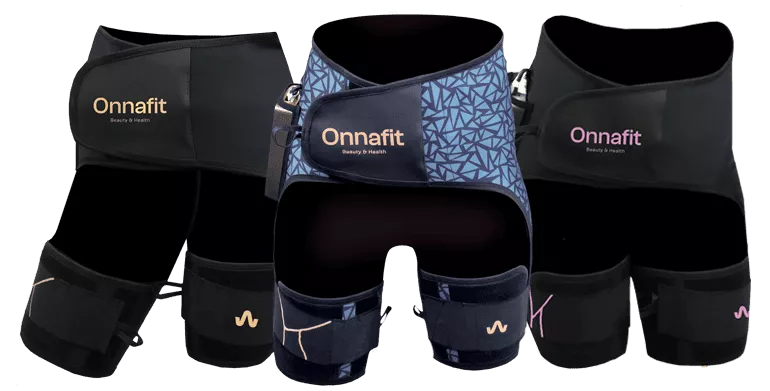
  • Non-invasive: No surgery, vaginal, anal, or electrode probe required.
  • Convenience: Use at home, wearable, and discreet – can be worn under clothes.
  • Function: Designed to tone, strengthen, and regenerate muscles through an easy-to-use “slow contract and relax” exercise sequence.
  • Regenerative Action: It not only strengthens the pelvic floor to stop embarrassing leaks but also, through patented and patent-pending bioelectric sequences, controls the release of bladder regeneration promoting proteins, including:
    • SDF1: For stem cell homing.
    • Follistatin: For muscle building.
    • Tropoelastin: For elasticity improvement.
    • IGF1: For DNA repair.

Dansei ems onnafit min.png
Pantalon largo.png
02 pantalon onnafit body min 1.png

2. BladderCell II – MODerate Minimally Invasive Bioelectric Stimulation

For moderate to severe cases of bladder dysfunction.
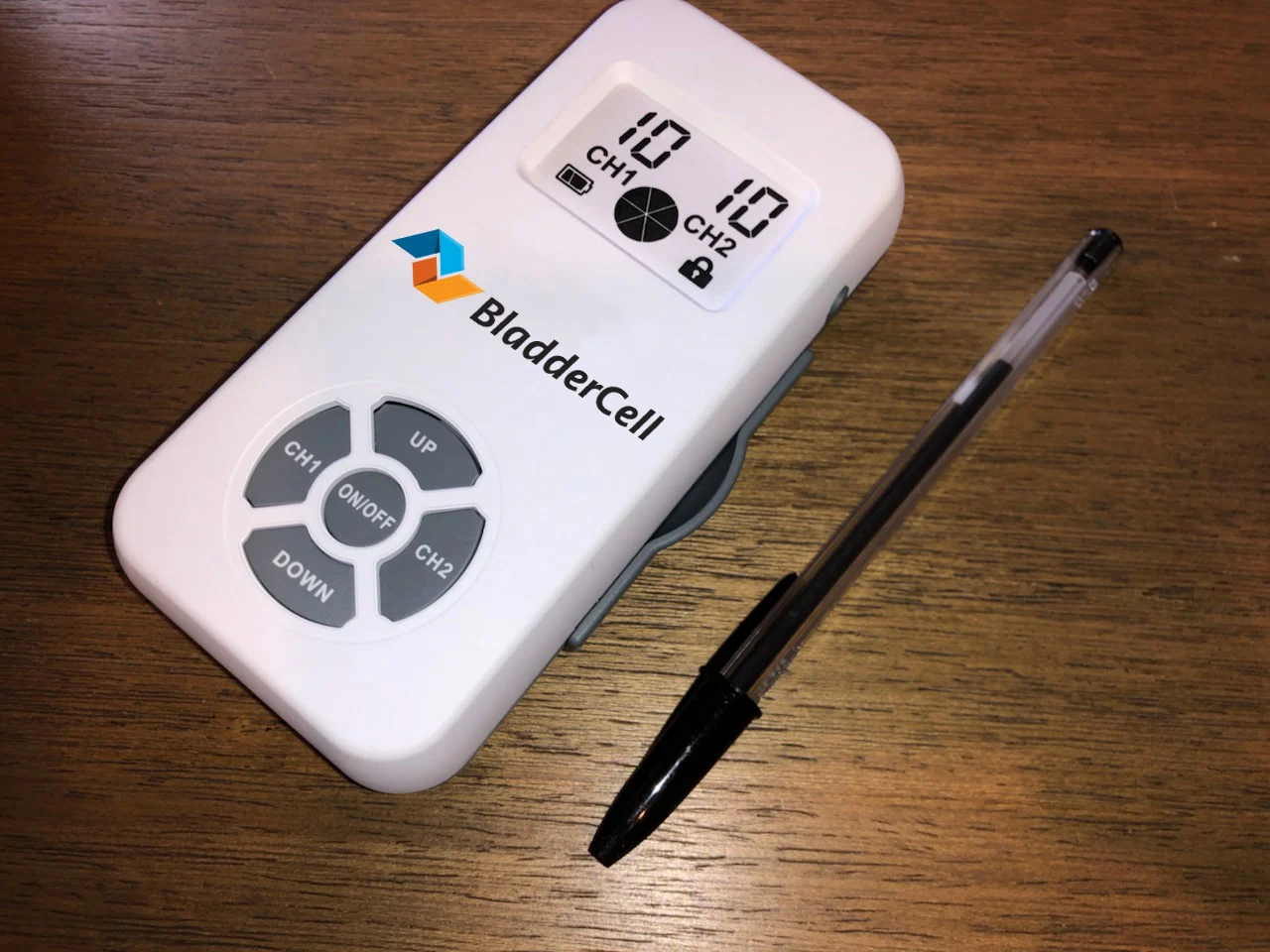
  • Method: Minimally invasive vaginal, anal, or direct-to-bladder conduction probe.
  • Function: Utilizes a minimally invasive probe to get our patent-pending bioelectrical signaling sequences more effectively to the bladder to promote more complete regeneration.
  • Regenerative Action:
    • Delivers bioelectric signaling sequences for regeneration directly to the bladder.
    • Releases bladder regeneration promoting proteins.
    • Homes a person’s own stem cells to their bladder with homing signals.
    • Releases muscle-building and elasticity-improving proteins.

Bladdercell

3. BladderCell III – SEvere Minimally Invasive Bioelectric Stimulation + Re-fillable Micro Infusion Pump + BC-15

For severe advanced cases of bladder dysfunction and total bladder regeneration.
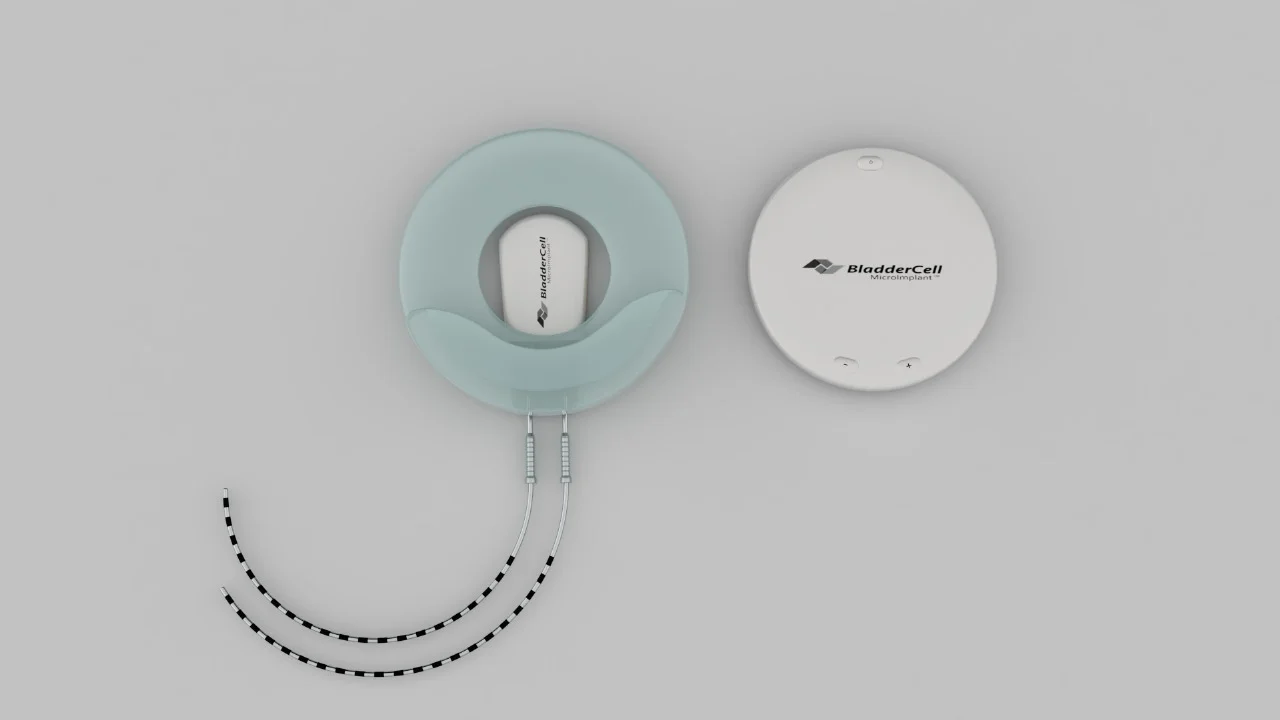
  • Method: Minimally invasive vaginal, anal, or direct-to-bladder conduction probe combined with a re-fillable micro-infusion pump.
  • BC-15 Composition: A fifteen-component bladder regeneration composition comprised of stem cells, myoblasts, exosomes, amniotic fluid, platelet-rich fibrin, micro RNA gel, oxygenated nano-particles, nutrient hydrogel, selected alkaloids, ECM matrix, and bladder matrix.
  • Mechanism: This is the most comprehensive total bladder regeneration ever developed. It uses patented bioelectric signaling sequences to promote regeneration and delivers repeated slow infusions of the BC-15 cocktail to help patients recover from the most severe cases of bladder dysfunction.
  • Regenerative Action:
    • Releases bladder regeneration promoting proteins.
    • Homes a person’s own stem cells to their bladder with homing signal.
    • Releases muscle-building and elasticity-improving proteins.

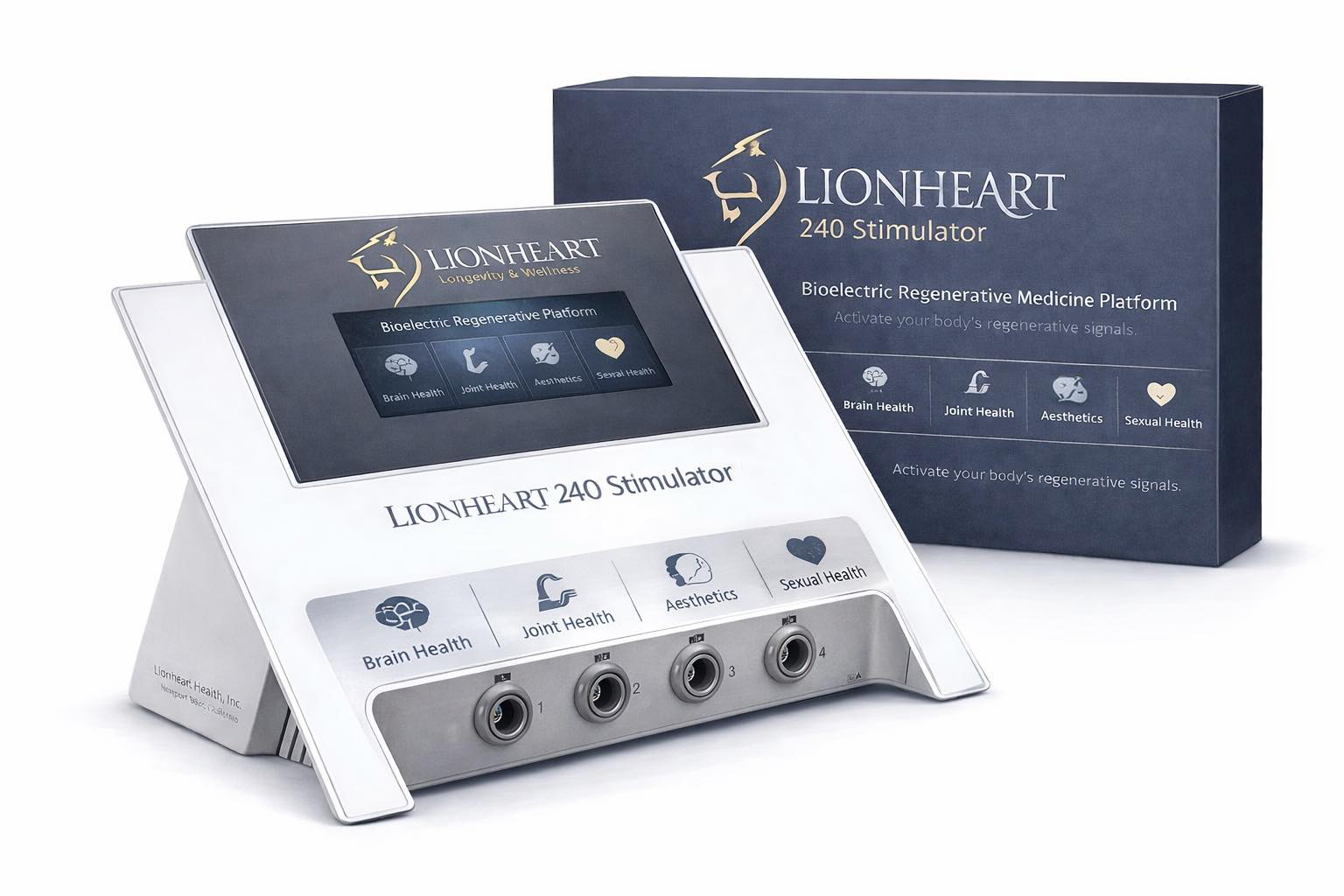
BladderCell Device
/ ? — FAQ

Common questions

Don’t see your question? Reach out and our clinical team will respond personally.

Bioelectric therapy for bladder regeneration focused on precise bioelectrical signaling sequences for controlling specific regenerative protein expressions for specific purposes which may include fully or partially…

  • SDF1 and PDGF for stem cell homing.
  • Klotho, LIM and Follistatin for muscle regeneration.
  • Tropoelastin, CXCL5 and COL17A1 for elasticity.
  • IGF1 and Sonic Hedgehog for nerve regeneration.
  • VEGF, SDF1, PDGF, HIF1a, eNOS, EGF, CXCL5 for mature (non leaky) blood vessel growth.

Note – Current bioelectric portable palm-sized external at home use stimulator is limited to 6 bioelectric signaling sequences in each auto program run.

Bioelectric therapy combined with PRF (platelet rich fibrin) and regenerative fluid (may be amniotic fluid or selected exosomes).

Bioelectric therapy combined with muscle stem cells (immature myoblasts), heat shock treated MSCs, heat shock proteins, stromal fraction, selected growth factors such as klotho, SDF1, follistatin, PRF, amniotic fluid, exosomes, micro RNA gel, nutrient hydrogel, selected alkaloids, Wharton’s Jelly, oxygenated nanoparticles and bladder extracellular matrix.

/ – KNOWLEDGE BASE

Related resources

Want to learn more? Browse our clinical resources and scientific publications on our comprehensive suite of targeted treatments.

Corporate Strategy & Intellectual Property

This section details our strategic business framework and legal protections. It includes patents and roadmaps that safeguard our proprietary bioelectric signaling and ensure market exclusivity for our regenerative platform.

Executive Summary

A high-level strategic document outlining BladderCell’s mission to treat millions of patients using patented bioelectric technology.

View details
Presentation Slides

A comprehensive visual roadmap detailing company growth, technology tiers, and the massive market opportunity in regenerative medicine.

View details
US Patent Document

The primary legal filing for the unique bioelectric signaling methods and device designs that distinguish BladderCell from competitors.

View details
Official License Agreement

The formal agreement between Codes of Life and Leonhardt’s BladderCell for the exclusive use of specialized regenerative signaling.

View details
Proposed Clinical Study Design

A research framework comparing bioelectric S3 sacral nerve stimulation against traditional pelvic floor exercises for OAB patients.

View details
Clinical Trial Feasibility Analysis

An examination from USC regarding non-invasive solutions, providing a scientific baseline for BladderCell’s wearable technology.

View details

Treatment Protocols & Hardware Specifications

This group focuses on technical engineering and clinical parameters. It provides clinicians with specific data on device specifications, biological formulations, and protocols necessary for the effective application of our multi-tier therapy.

BladderCell Protocol II

A step-by-step clinical guide for medical practitioners to implement the moderate-tier stimulation therapy, including frequency parameters.

View details
BladderCell Biologics Composition

Detailed scientific breakdown of the BC-15 cocktail, focusing on how biologics and bioelectrics work together for total organ repair.

View details
Leonhardt MicroStimulator II Specs

Technical specifications for the implantable stimulator, highlighting its miniaturized design and long-term biocompatibility.

View details
Electrical Pulse Gene Expression Study

Research proving that specific electrical pulse stimulation can reproduce healthy gene expression changes in muscle cells.

View details
Myoblasts Action Potential Simulation

A study on the electrical pulse stimulation of muscle cell cultures, validating the signaling used in our regenerative hardware.

View details
Clinical Use of Electrical Stimulation

A foundational medical article explaining the historical and modern efficacy of electrical stimulation for treating urinary incontinence.

View details

Validated Clinical Trials & Case Studies

This evidentiary section presents clinical results from world-class institutions. These studies document successful patient outcomes in restoring bladder control and validate the life-changing impact of our targeted bioelectric medical interventions.

Injectable Platelet Rich Fibrin (PRF)

A 2024 study evaluating PRF as a non-surgical treatment for female stress urinary incontinence, supporting Platform III.

View details
Electroacupuncture Randomized Trial

A high-impact trial showing a significant reduction in urinary leakage among women using electro-nerve stimulation.

View details
Tibial Nerve Stimulation for Older Women

Research validating that transcutaneous nerve stimulation is a safe and effective way to treat urgency incontinence in the elderly.

View details
UCLA Spinal Cord Injury Recovery

Breakthrough UCLA research showing that magnetic spinal stimulation can restore bladder control and eliminate catheter dependence.

View details
Sacral vs. Percutaneous Nerve Trial

A comparative clinical trial that helps define the most effective stimulation points for patients suffering from pelvic dysfunction.

View details
UCLA Neuromodulation Overview

An official health resource discussing how neuromodulation improves bladder functionality in patients with severe spinal injuries.

View details
Elderly Electroacupuncture Data Analysis

Analysis of data from two randomized studies confirming long-term benefits of electro-stimulation for elderly women.

View details
UCLA Solutions Video Guide

An educational video from UCLA Health experts explaining medical solutions available for regaining control over bladder leakage.

View details
Cochrane Systematic Review

A global gold-standard review of evidence supporting non-invasive electrical stimulation for overactive bladder in adults.

View details
Pulsed Ultrasound Differentiation

Study investigating how low-intensity pulsed ultrasound triggers muscle satellite cell differentiation in stress incontinence models.

View details
Cost-Effectiveness of Cell-Based Therapy

An economic analysis proving that regenerative therapies are a sustainable alternative to lifelong medication.

View details
Transurethral Myoblast Injection Trial

Clinical trial data regarding the use of myoblast injections to treat children with bladder exstrophy and dysfunction.

View details
Regenerative Therapy for SUI

A comprehensive scientific article detailing the future of regenerative medicine in treating stress urinary incontinence.

View details
PubMed Electroacupuncture Trial (28655016)

Peer-reviewed data confirming that targeted electro-stimulation significantly reduces the frequency of leakage episodes.

View details

Regenerative Medicine & Scientific Foundation

This group explains the advanced science of stem cells and tissue engineering. It explores global research on harnessing biological potential to rebuild damaged organ tissues and nerve pathways through our total regeneration approach.

Stem Cells in Tissue Bioengineering

A review of how modern bioengineering uses stem cells to recreate functional bladder tissue in laboratory settings.

View details
Growth Factor Acellular Regeneration

Research on how combining NGF and VEGF growth factors accelerates the healing of acellular bladder grafts.

View details
Mesenchymal Stem Cell Repair (PMC)

Investigation into the use of autologous mesenchymal stem cells for repairing neurogenic bladders and tissue recovery.

View details
Amniotic Fluid-Derived Cells

Study demonstrating that human amniotic fluid-derived cells can successfully restore urethral sphincter function.

View details
Overactive Bladder Causes & Science

An educational breakdown of the biological causes of OAB, providing context for BladderCell’s tiered treatment approach.

View details
Canine Bladder Regeneration Model

A successful animal model study using acellular matrices and collagen-binding factors to grow functional bladder tissue.

View details
Bioengineering Approaches Review

A deep dive into international bioengineering techniques used to tackle the complexities of organ regeneration.

View details
Regeneration Challenges & Potential

A critical look at the massive potential of organ regeneration and the remaining clinical hurdles for the industry.

View details
Anti-Inflammatory Nanofibers Study

Research on using specialized nanofibers to promote organ healing while minimizing tissue inflammation.

View details
Role of MSCs in Bladder Walls

A detailed look at how mesenchymal stem cells interact with the bladder wall to promote structural integrity.

View details
Hair-Follicle Stem Cell Innovation

An innovative study showing how hair-follicle stem cells can be repurposed for the regeneration of the bladder wall.

View details
Porcine Model Matrix Support

Evaluating the use of collagen-elastin matrices in large animal models to ensure support for functional bladder pressure.

View details
Silk Fibroin Composite Scaffolds

Research into the use of silk-based scaffolds to promote the regeneration of the urethra in complex models.

View details
Current State of Stem Cell Therapy

A comprehensive “Where Are We?” paper discussing the journey of stem cell therapy from the lab to clinical urology.

View details
Autologous Stem Cell Repair (Wiley)

Scientific backing for using a patient’s own stem cells to repair neurogenic bladder damage without rejection risk.

View details
/ – INSIGHTS & PERSPECTIVES

Related posts

Want to learn more? Browse our clinical resources and scientific publications on our latest updates and insights.

CAUTION Disclaimer and Warning

Products described on this web site are in early stage development and are not yet proven safe or effective in statistically significant controlled clinical studies. Any statement or phrases implying efficacy or safety in any form are considered modified by “intended to” or “designed to”. Investigational use only in countries where investigation is permitted by law and proper filings have been made and appropriate regulatory clearances have been granted. Any use of the product(s) must be in an authorized clinical study with institutional review board (ethics committee) approval and proper patient consent procedures followed. For other countries product is only available for laboratory investigation by credentialed institutions and investigators with proper clearances with a research agreement in place with a study sponsor. NOT AVAILABLE FOR SALE.

Leonhardt Ventures is registered as Leonhardt Vineyards LLC a State of California LLC since 2005 DBA Leonhardt Ventures DBA Filing Document No. 2013239458 Los Angeles County 11/20/13.

Contact Us

Start with a consultation.

BladderCell offers the only regenerative therapies for mild, moderate, and severe bladder dysfunction. Our patented bioelectric signaling homes stem cells and restores muscle tissue, nerve connections, and elasticity to help you regain control without major surgery.

Book a Consultation