
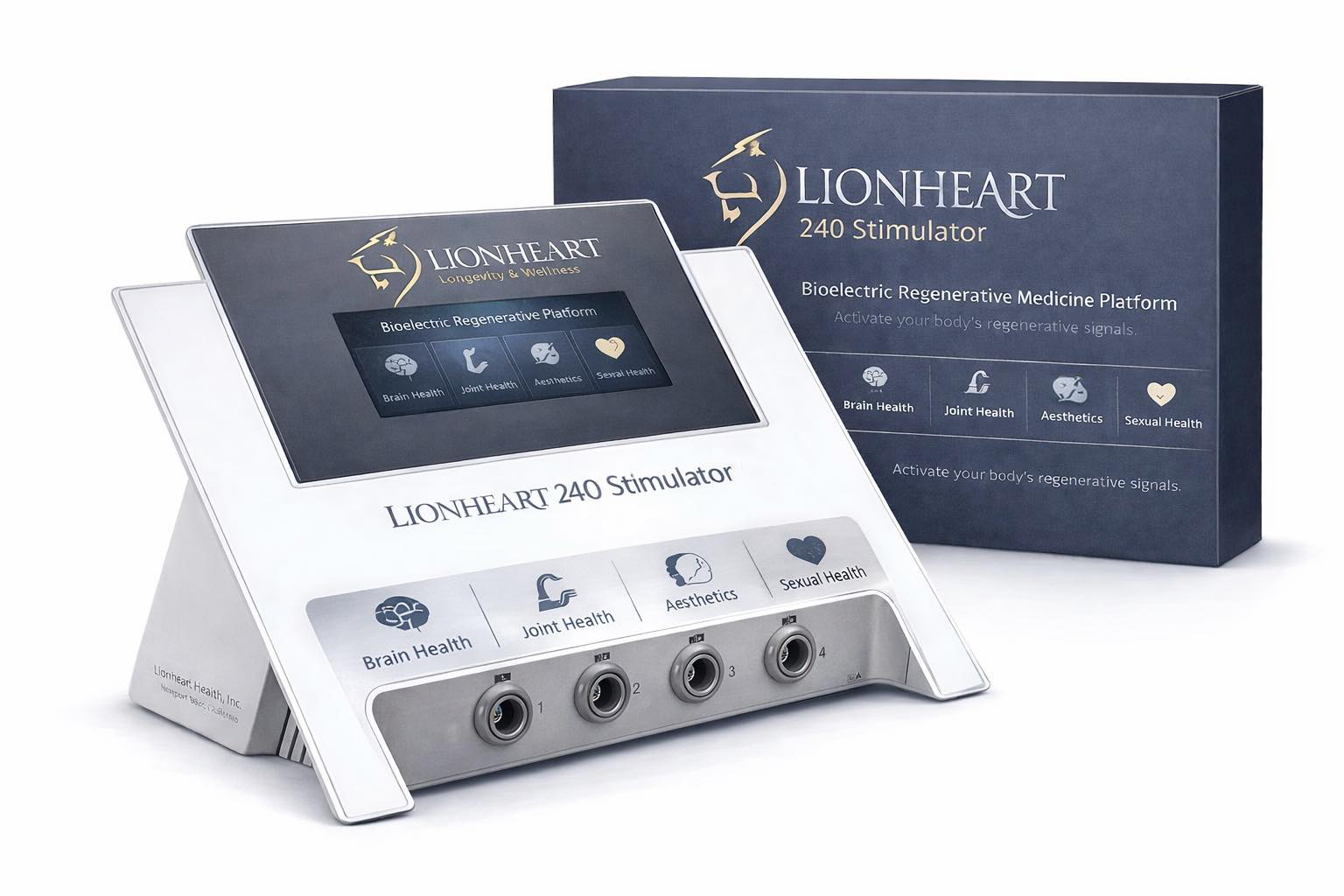
Lionheart Stimulus 240 Stimulator
The Lionheart Stimulus™ 240 Stimulator is a professional-grade 4-channel electrotherapy…
$21,995.00

Next-Generation Blood Pressure Control: Leveraging selective nerve stimulation and bioelectric signaling to modulate vascular elasticity and the body’s natural baroreflex.
Discover our background, mission, and the world-class research driving our next-generation medical technology.
Hypertension is a large burden to patient health and health care costs. Despite various options, > 30% of patients do not respond sufficiently to medical treatment.
Mechanoreceptors in the aortic arch relay blood pressure (BP) levels through vagal nerve (VN) fibers to the brainstem and trigger the baroreflex, lowering the BP. Selective electrical stimulation of these nerve fibers reduced BP in rats. PressureStim is designed to localize and stimulate these fibers inside the VN without inadvertent stimulation of non-baroreceptive fibers causing side effects like bradycardia and bradypnea.
PressureStim is unique in also controlling release of specific proteins known to lower blood pressures including tropoelastin known to increase elasticity in the aorta and other peripheral blood vessels.
Want to learn more? Browse our clinical resources and scientific publications on our latest updates and insights.
The Lionheart Stimulus™ 240 Stimulator is a professional-grade 4-channel electrotherapy…
$21,995.00
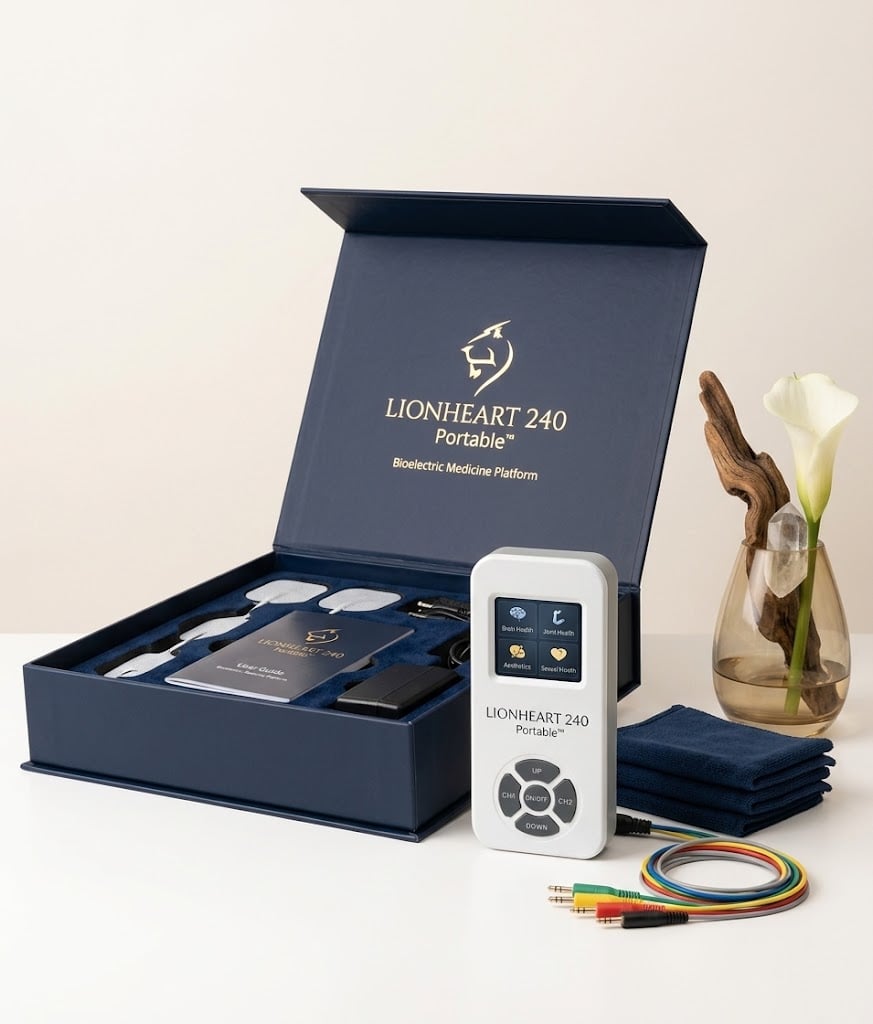
Portable Bioelectric Stimulation for Continued Home Treatment Support The Lionheart…
$599.00
Discover the science and innovation driving our advanced solutions, designed to deliver safe, effective, and transformative results.
The PressureStim System is designed to be delivered via skin surface or low depth implantable ultra-low power signal sensors and signal generating processors. This includes LOW DEPTH IMPLANTABLE ELECTRO-ACUPUNCURE OR SURFACE ELECTRODES ULTRA-LOW POWER SIGNAL STIMULATION.
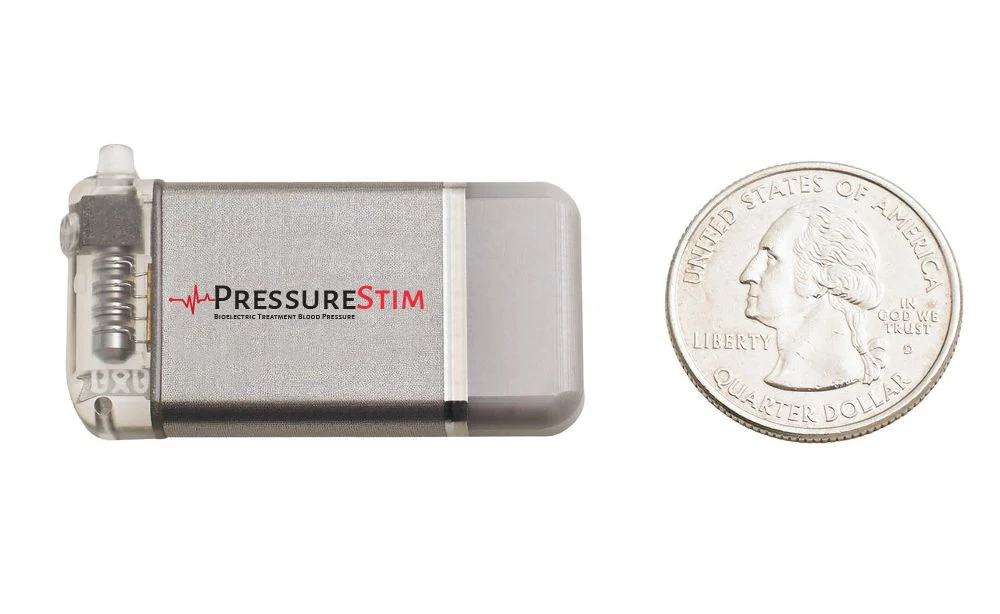
In its ideal optimized configuration, PressureStim is designed to modulate baroreceptor compound activity. This activity is localized using multiple non-invasive bioelectric sensors, with information sent to a microprocessor that then delivers a customized bioelectric signaling sequence via quad polar stimulation near the barofibers.

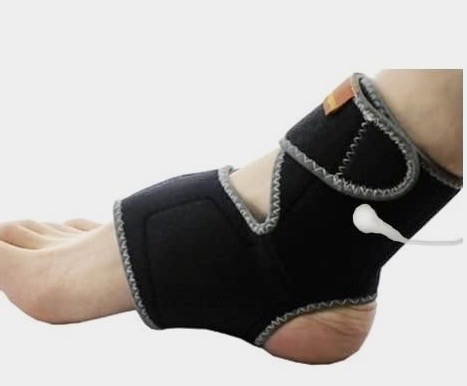
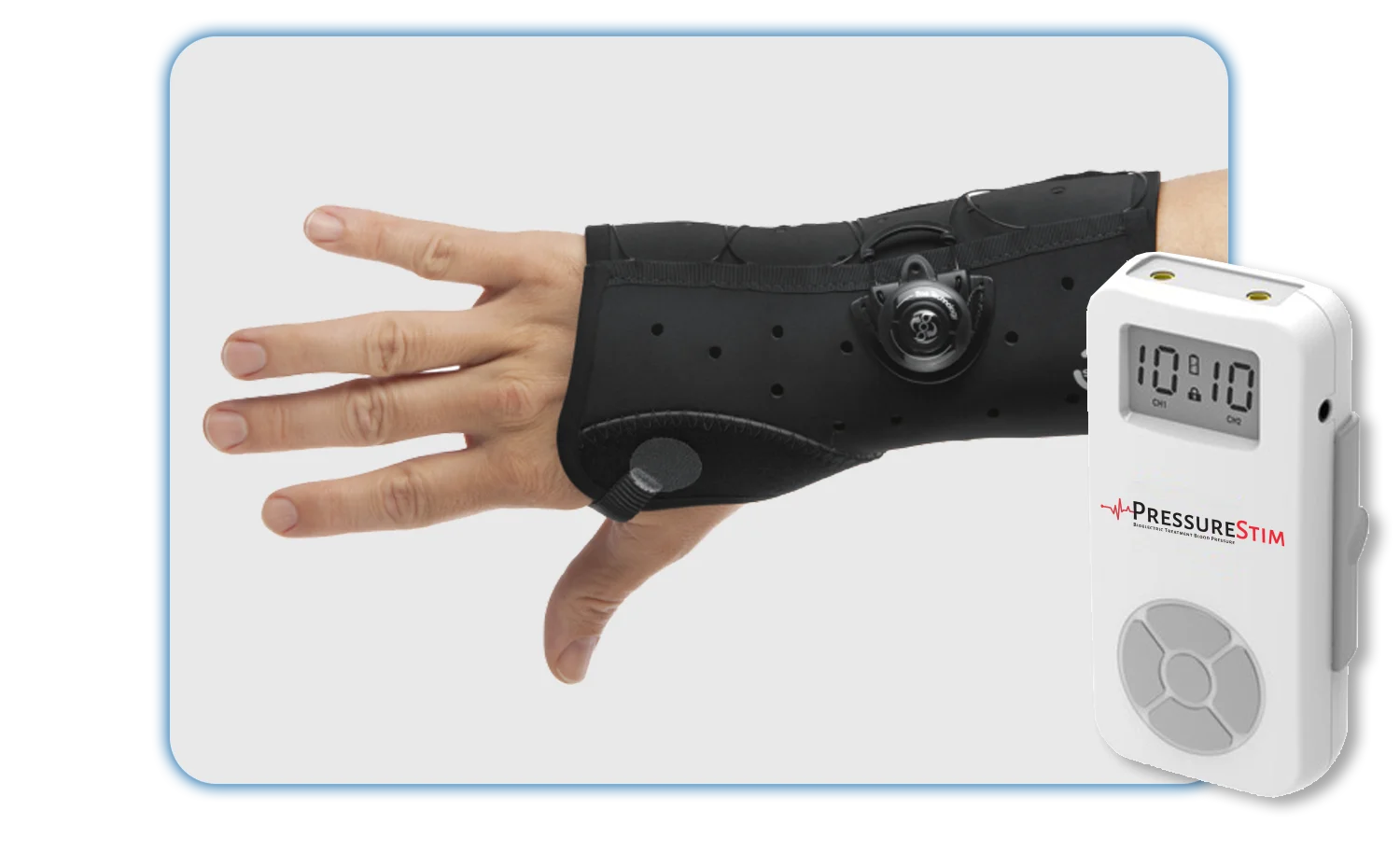
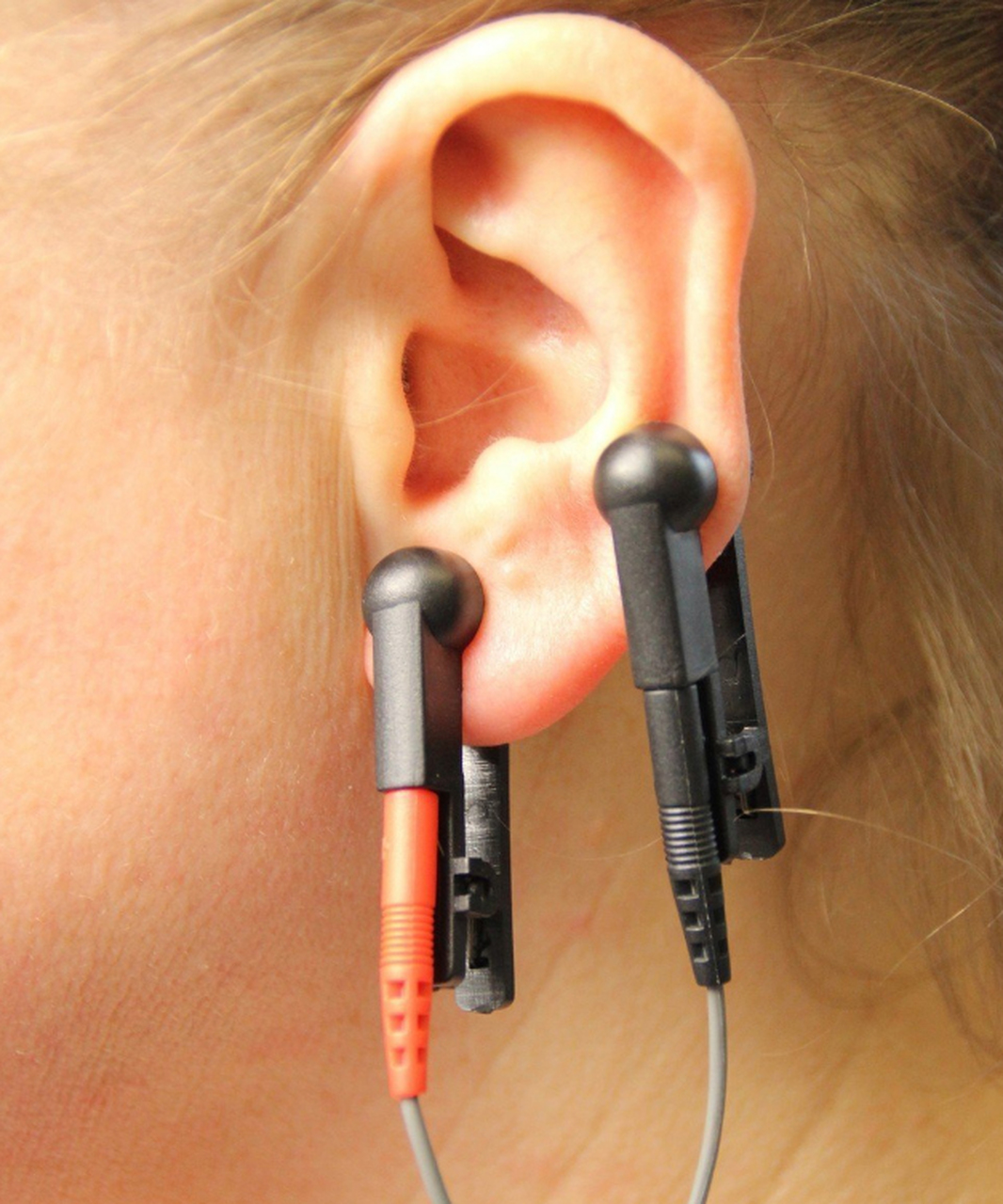
PressureStim therapy ideally may be applied with just simple wrist and ankle stimulation bands with low penetration electro acupuncture micro needle patch technology which can barely be felt. For more serious cases, ear lobe, back, and neck electrodes may be added to increase efficacy.
Don’t see your question? Reach out and our clinical team will respond personally.
Short Answer: Bioelectric signaling to balance electrical potentials in the body via neuro-hormonal circuit loops, increase elasticity promoting protein release to dampen blood pressure in arteries and changing arterial electrical charges to reduce artery narrowing.
Bioelectric stimulation may address two known root causes of hypertension (1) loss or arterial compliance and (2) in-balance of electrical potentials within the body. The PressureStim is designed to reduce loss of arterial compliance by controlled release of a number of growth factors that promote increased elasticity in the arteries including tropoelastin, SDF-1, VEGF, IGF-1, PDGF and HGF. A number of scientists propose the theory that during the hypertension prophase episode, there may appear abnormal movement for cell membrane ions, the pathological electric potentials. This electrical abnormality of blood vessel signal controls may then be followed by the phenomena of slowed blood flow, small artery spasms, and increased blood vessel compliance resistance, finally leading to the rise of blood pressure. The PressureStim bioelectric signals sequence for lowering blood pressure is designed to be applied to the body with its transmitted bioelectric signals intended to activate the bioelectric circuits in the body changing abnormal current flow patterns back to normal. It is designed to directly adjust the pathological electrical ionic membrane potentials, arterial muscle cells, and relieve the small artery spasm. The intent is also to strengthen red blood cell surface repulsion to reduce blood magnetic viscosity, and thus lower vessel and blood stream flow resistance. PressureStim is designed to additionally then lead continued regulation and integration in attempting to clear and dissolve cholesterol and neutral fat deposited on the tunica intima of arteries to remove stasis in the blood vessels. Thus, PressureStim is not only designed for acute decreases in blood pressure, but also to maintain a continuous effect for long term action in attempting to address the root causes of hypertension and thus many secondary to hypertension related cardiovascular diseases.
PressureStim is designed to address high blood pressure via three primary means…
1. Bioelectric signaling to the brain’s blood pressure control center in a sense and send closed feedback loop real time.
The PressureStim stimulators may be placed in any innervated area such as the forearm. Placed just under the skin they are designed to activate bioelectrical signaling via the nervous system. The PressureStimm stimulator senses and sends bioelectrical signals to modulate blood pressure. PressureStim emits very low-power natural level bioelectric stimulution sequences that communicate with the brain. These bioelectric signals travel to the hypothalamus midbrain, and the medulla; the signal has multiple pathways to the brain’s blood pressure control center. This bioelectric signaling in a a closed feedback loop is designed to modulate and normalize blood pressure. The PressureStim device is the only one known at this time that senses real time the needs of the body and then adjusts the biolectric signaling to meet the individual’s needs for blood pressure control on a real time basis.
“The PressureStim device is the only one known at this time that senses real time the needs of the body and then adjusts the biolectric signaling to meet the individual’s needs for blood pressure control on a real time basis” Howard J. Leonhardt, Inventor, Executive Chairman & CEO PressureStim
2. Bioelectric signaling to improve elasticity of arteries, especially the aorta, to improve blood pressure dampening.
The PressureStim bioelectric stimulator controls protein expressions such as tropoelastin, SDF1, IGF1, EGF, CXCL5 and Follistatin known to improve elasticity of arteries.
3. Bioelectric signaling to prevent artery flow narrowing and spasms.
The PressureStim bioelectric stimulator release proteins and bioelectric signals designed to inhibit plaque and blood clot formations and artery spasms which increase blood pressure and heighten the risk of a heart attack, stroke or limb amputation. The bioelectric signals such as PDGF, SDF1, VEGF, HIF1a, CXCL5, EGF, HGF and eNOS also are designed to grow new blood vessels with mature healthy endothelium linings and dilate existing blood vessels, via eNOs expression, which also can serve to lower high blood pressure.
Blood pressure is simply the physical pressure of blood in the blood vessels. It is similar to the concept of air pressure in a car tyre.
A common blood pressure might be 120/80 (said as ‘120 over 80’). These values are quoted in units known as millimetres of mercury (mmHg).
There are 2 numbers because the blood pressure varies with the heartbeat. The higher pressure (120) represents the pressure in the arteries when the heart beats, pumping blood into the arteries. This pressure is called systolic pressure. The lower pressure (80) represents the pressure in the arteries when the heart is relaxed between beats. This pressure is called diastolic pressure.
Blood pressure can be quite variable, even in the same person.
Blood pressure goes up and down with different normal daily activities. For example, exercise, changes in posture and even talking changes blood pressure.
Blood pressure tends to be higher during the day than at night and higher in the winter than in the summer.
Blood pressure also rises when we grow older, particularly systolic blood pressure. Before adulthood, blood pressure rises in parallel with height.
In adult years, weight and blood pressure are closely related. When weight goes up, blood pressure tends to go up and we can lower blood pressure by losing weight.
Blood pressures differ between individuals. Some people have low, some average and some high blood pressure levels.
There are various definitions of high blood pressure, which is also known as hypertension, but most doctors consider blood pressures of 140/90 and greater to be high.
The precise values that doctors might interpret as high blood pressure depend to an extent on individual circumstances. For example, in patients with diabetes, the definition of hypertension is considered by some to be pressures greater than 130/80.
The definition of hypertension is used by doctors to help decide which patients would benefit from medical (lifestyle and drug) treatment to lower pressure.
The definitions depend on the balance of risk of not lowering blood pressure (heart attack and stroke, etc) versus the risks of treatment (drug side effects, etc).
This explains why hypertension is defined at lower blood pressure levels in diabetic subjects. For the same blood pressure, cardiovascular complications (that is damage to the heart, blood vessels and brain) are more likely in diabetics and blood pressure reduction offers benefit even when a diabetic’s blood pressure is not as high as regular definitions of hypertension.
Approximately 4 in 10 adults over age 25 have hypertension and in many countries another 1 in 5 have prehypertension.
An estimated 9/10 adults living to 80 years of age will develop hypertension.
One half of blood pressure related disease occurs in people with higher levels of blood pressure even within the normal range.
Blood pressure is important because it is the driving force for blood to travel around the body to deliver fresh blood with oxygen and nutrients to the organs of the body.
However, high blood pressure is important because it leads to increased risk of serious cardiovascular disease, with complications such as heart attack, heart failure, stroke, kidney failure and blindness.
For the vast majority of people with high blood pressure no precise explanation is ever found. For this reason, such cases are said to have ‘essential’ hypertension.
These cases are likely to result from a range of factors that could be broadly grouped into genetic and environmental (lifestyle) factors that work together to raise blood pressure.
Because genes and environmental are shared within families, it is not uncommon for people with high blood pressure to know of relatives with the same condition.
In a minority of cases of hypertension (less than about 5%) a precise cause can be identified. These include hormonal imbalances and kidney diseases that can result from genetic problems, occasionally tumours (usually benign) and blood vessel narrowing. Doctors are trained to look for signs of these specific conditions, as they are often curable.
High blood pressure is more common is older age groups and in people with a family history of hypertension. It is also more frequent in those who are overweight. However, high blood pressure can affect young thin people with no family history, so no one should consider himself or herself immune from high blood pressure.
It is the goal of good clinical practice to reduce high levels of pressure wherever possible in order to reduce the risk of complications such as heart attack and stroke.
Changes to lifestyle such as weight loss, reduced salt intake, reduced alcohol consumption or exercise are often the first line of treatment. If these approaches don’t return blood pressure to acceptable levels then drug treatment is usually required.
The truth is you cannot know your blood pressure unless you have it measured and every adult should know his or her blood pressure.
Although headaches and nose bleeds can be the result of very high blood pressure, there are many more innocent causes for these common ailments.
Your local doctor is the best-qualified person to ask about blood pressure.
A healthy lifestyle and a sensible diet are important. One of the most important things is to keep weight under control. Less weight means lower blood pressure, and it also means less diabetes, less stress on muscles and joints and less stress on the heart.
It is rare for hypertension to disappear by itself. The general rule is that blood pressure gets higher with time and the risk of complications goes up also.
Although not ‘cured’ as such, modern therapeutic approaches to blood pressure are very effective and generally very safe. However, if treatment is stopped the high blood pressure usually returns reasonably quickly.
Any degree of high blood pressure is associated with increased risk of stroke and heart attack, but the higher the pressure, the higher the risks.
If blood pressure is persistently 140/90 and greater, then some form of treatment is required, although in the first instance this might be adjustments to lifestyle, such as diet and exercise.
However, if the blood pressure is repeatedly greater than 160/110, then there is usually a need to begin drug treatment immediately, rather than relying on lifestyle changes alone.
Sustained blood pressures of over 200/120 are considered potentially dangerous and if associated with for example visual trouble or heart failure they require emergency treatment.
Left unchecked, high blood pressure will over the years cause damage to the blood vessels of the heart and brain that leads to heart attacks and strokes. It also places extra strain on the heart, causing thickening of the heart muscle and heart failure and it damages the kidneys and can lead to kidney failure.
As diabetes itself increases the risk of cardiovascular complications, blood pressure (which can further increase risk) needs careful attention. In general most doctors will consider treating blood pressure in patients with diabetes at lower levels than in patients who do not have diabetes.
It is important to talk to your doctor if you have high blood pressure and are planning a pregnancy. This is because high blood pressure can create problems during pregnancy for both mother and baby.
Blood pressure can be treated during pregnancy, but only certain drugs can be used and your doctor knows which drugs are safe and which should be avoided.
These days drugs are safe and generally free of major side effects, but no drug is completely free of side effects in all patients.
As blood pressure drugs work by reducing blood pressure, sometimes too great a fall in blood pressure can cause dizziness on standing. This can be a problem in the summer months and especially when rising quickly from squatting. Dizziness on standing also can be worse in older patients.
There are a variety of other symptoms that can result from blood pressure medications and if these appear in the days or weeks after treatment has begun you should consult your doctor. However, do not stop medications yourself without medical advice, as sometimes the blood pressure will rebound to very high levels that can be dangerous.
Want to learn more? Browse our clinical resources and scientific publications on our comprehensive suite of targeted treatments.
This group focuses on the primary documentation for the PressureStim system, including specific testing methodologies, institutional protocols, and early-stage clinical results.
These resources investigate the role of the Klotho protein, a key biological marker that PressureStim aims to modulate to improve vascular elasticity and prevent arterial aging.
This group contains external scientific validation for the methods used by PressureStim, such as Vagus Nerve Stimulation (VNS), TENS, and electroacupuncture.
These resources provide context on the physiological causes of hypertension, such as arterial stiffness and the loss of elastin, which PressureStim is designed to address.
Want to learn more? Browse our clinical resources and scientific publications on our latest updates and insights.

CAUTION Disclaimer and Warning: Products described on this web site are in early stage development and are not yet proven safe or effective in statistically significant controlled clinical studies. Any statement or phrases implying efficacy or safety in any form are considered modified by “intended to” or “designed to”. Investigational use only in countries where investigation is permitted by law and proper filings have been made and appropriate regulatory clearances have been granted. Any use of the product(s) must be in an authorized clinical study with institutional review board (ethics committee) approval and proper patient consent procedures followed. For other countries product is only available for laboratory investigation by credentialed institutions and investigators with proper clearances with a research agreement in place with a study sponsor. NOT AVAILABLE FOR SALE.
Take the first step towards better results in less time. Whether you are an individual looking to boost your workouts or a trainer wanting to offer the latest technology to your clients, our team is here to help you get started with PressureStim.